
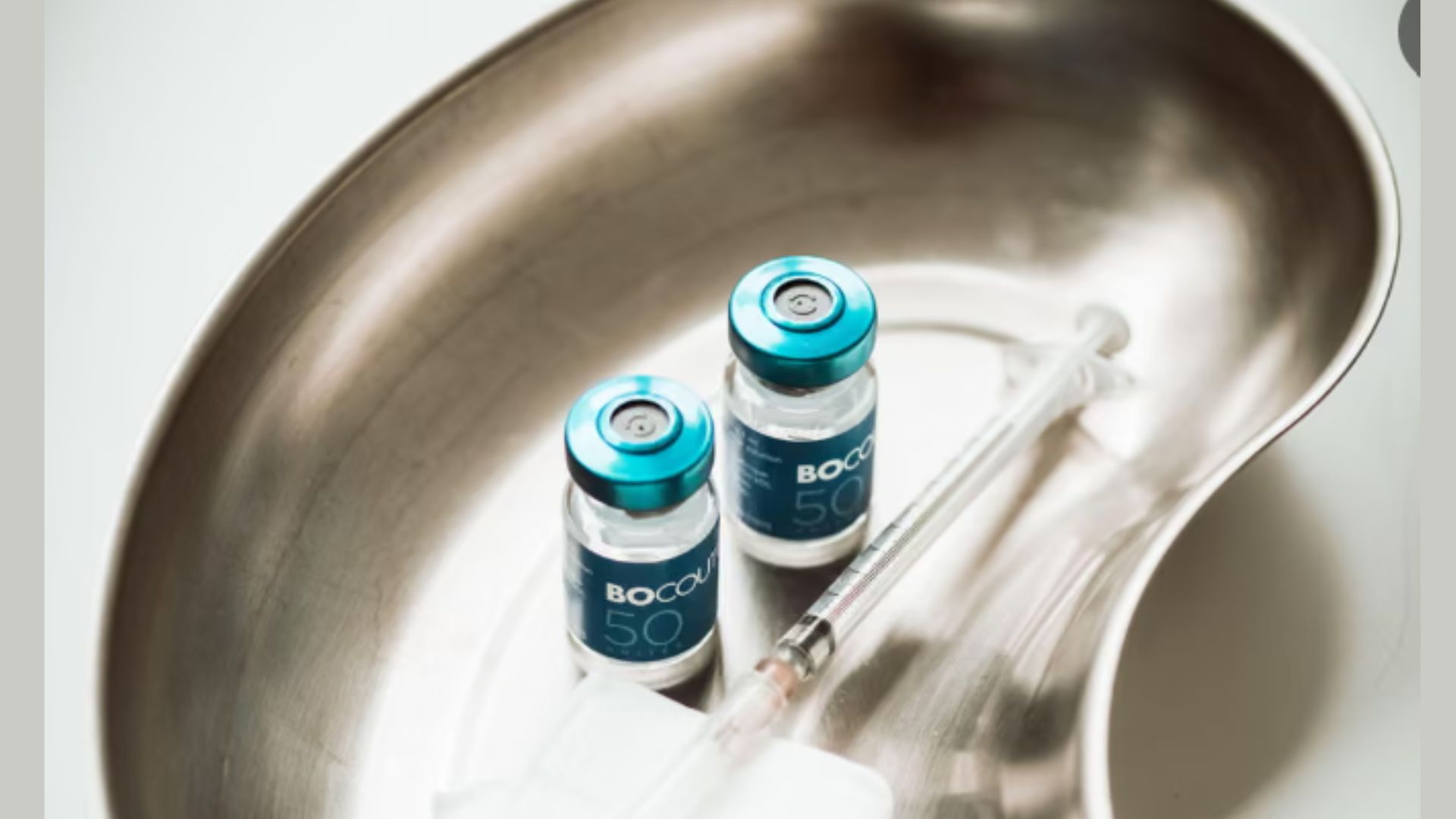
Experts in the UK are raising alarms over the illegal sale of Innotox, a ready-to-use Botox-like injection, which is being marketed online. Unlike Botox, which comes in powder form and needs to be mixed before injection, Innotox is already in liquid form, making it easier for people to inject themselves.
Specialists say this convenience comes with a dangerous downside—people without medical training risk “eyelid droops,” facial asymmetry, infections, and even botulism if they inject it incorrectly.
Government Moves to Tackle Cosmetic “Wild West”
Health Secretary Wes Streeting has announced plans to introduce new laws to regulate England’s largely unmonitored cosmetic treatment industry. Currently, there is little control over who can perform procedures like Botox and dermal fillers.
Unlike certain licensed Botox-like products, Innotox is not approved for use in the UK, meaning its safety and quality have not been officially assessed.
“Frightening and Appalling” Risks of Self-Injection
Aenone Harper-Machin, consultant plastic surgeon and spokesperson for the British Association of Plastic, Reconstructive and Aesthetic Surgeons (BAPRAS), called the online availability of Innotox “frightening and appalling.” She warned:
“People could be giving themselves eyelid droops and all sorts of weird asymmetries by injecting it in the wrong place, too deeply, too superficially. You can inject it into your blood vessel and give yourself botulism.”
Botulinum toxin—used in Botox and Innotox—works by blocking nerve signals to muscles. While it is a prescription-only medicine in the UK, Innotox can be bought online without one. Officials have already linked 41 recent botulism cases in England to unlicensed injections.
High Demand for Cheaper Alternatives Fuels the Risk
Botox injections are now a common cosmetic procedure, with around 900,000 treatments carried out in the UK each year. However, high costs and the need for frequent touch-ups have driven some people to look for cheaper, riskier options like Innotox.
The Medicines and Healthcare products Regulatory Agency (MHRA) has reminded the public that selling unapproved medicines is illegal unless supplied under the supervision of a qualified healthcare professional.
Serious Complications Reported by Surgeons
Nora Nugent, president of the British Association of Aesthetic Plastic Surgeons (BAAPS), said the group is aware of serious complications from self-injected botulinum toxin and dermal fillers. These include infections, tissue damage, permanent scarring, and cases requiring multiple surgeries.
Sophie Cooper of the Harley Street Skin Clinic said TikTok influencers are making matters worse, “Content creators on TikTok have been sharing their results from self-injecting Innotox… In reality, self-injecting Innotox as a Botox alternative comes with many dangers.”
Manufacturer Launches Investigation
Tom Albright, CEO of Luvantas—a Medytox subsidiary—said the company learned in June about unauthorised Innotox imports to the US, UK, and other countries. Medytox has since launched an investigation to stop these illegal sales. “Patient safety is our highest priority,” Albright said. “We strongly caution healthcare providers and consumers against purchasing unapproved or misrepresented botulinum toxins through unauthorised channels.”
He stressed that botulinum toxins should only be administered by qualified professionals in proper medical settings because the procedure requires “a deep understanding of facial anatomy and aesthetic principles.”
Also Read: White House Open to Trilateral Trump–Putin–Zelenskyy Meeting in Alaska