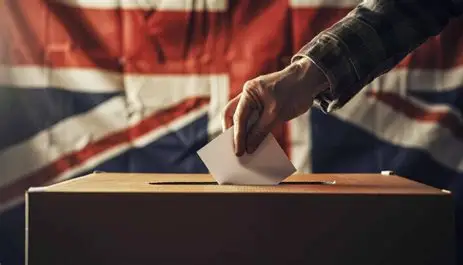
The British electoral system’s boundaries are about to be changed entirely the United Kingdom Government now proposes granting voting rights to citizens aged 16 years and over. If this measure is ratified by Parliament, it will go down in history as an important reconfiguration of voting rights and bring electoral qualifications back in line with the rest of the United Kingdom. Scotland and Wales have already included younger voters in their devolved electoral regimes; this has set a precedent for the national shift.
The reform in question has been flagged by the Prime Minister Keir Starmer’s administration and described as redressing the long-standing asymmetries in democracy. It’s about removing those structural barriers for citizens engaging properly with society and creating inclusive political opportunities,’ according to Deputy Prime Minister Angela Rayner, which emphasizing that such disassembling barriers that block equal participation will put in place a wider policy course for energizing democratic norms.
Alongside the enfranchisement of younger voters, this legislative package would include reforms designed to increase accessibility to, and therefore secure, voting integrity. For example, the introduction of so-called electronic and widely held personal identification instruments-including bank-issued debit cards, digital driving licenses, and Veteran Cards-for record as accepted forms of ID to vote would widen the range of acceptable credentials, thus reducing friction in the voting process and countering disenfranchisement tied to ID-obligation.
These measures are intended to inform the public about improvements to democracy while simultaneously ensuring the safety of their elections. As a result, a number of future amendments will strengthen legislation regarding political contributions, most notably requiring any political contribution from unincorporated associations above 500 pounds to undergo stricter scrutiny. The new legislation aims to reduce the loopholes through which shell entities exploit gaps in those regulations and restrict the influence of unaffiliated foreign parties in the local political realm.
This set of reforms comes in the wake of an absolute historical low turnout, which was captured at 59.7 percent for the 2024 general elections. The government analysts and parliamentary researchers have cited international case studies in terms of evidence that enfranchising 16-year-olds, rather than distorting electoral outcomes, may even increase participation rates among that demographic in the future.
The governing Labour Party elected in a huge landslide only a year ago has pledged to prioritize youth enfranchisement. The party does seem to have dropped some points in recent weeks, but this latest move shows an ongoing commitment to structural renewal in democracy.