339
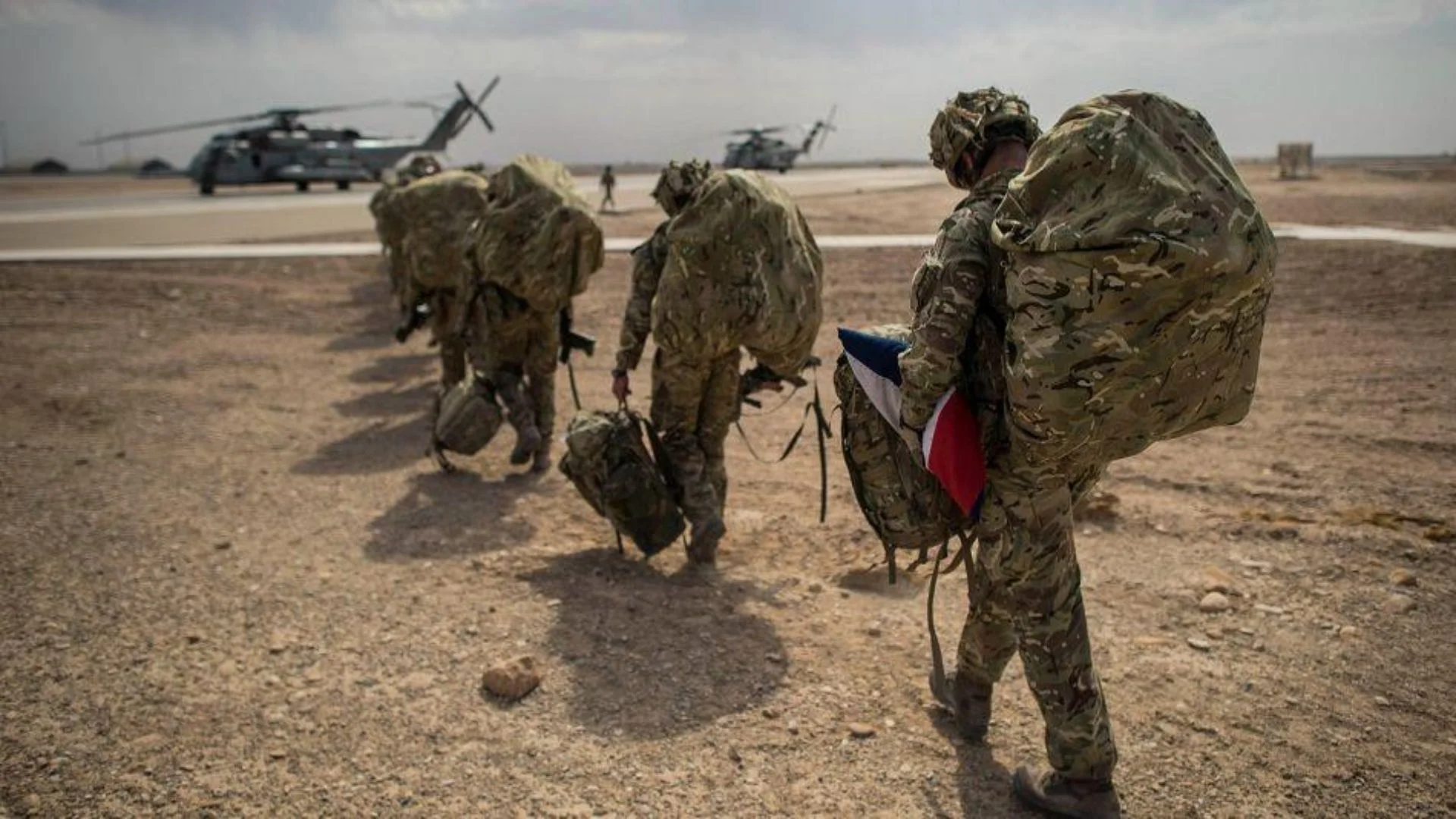
Large-scale data leak by the UK Ministry of Defence (MoD) revealed the identities of hundreds of Afghan special forces troops to their former comrades in the Taliban, The Independent can disclose. In February 2022, the names and contact information of 18,700 Afghans, including elite units known as the Triples, were accidentally leaked by a MoD employee. The violation was concealed under a superinjunction until the High Court revoked it after a two-year legal struggle.
The Triples, Afghan troops that had been trained and funded by British troops, have been under credible threats of torture or death since Kabul’s fall in 2021. Half of the approved commandos to be resettled in the UK were affected by the leak. The leak initiated a high-level evacuation operation to rescue numerous individuals to Britain, although authorities did not inform those targeted by the breach.
Major General Charlie Herbert, who was with the Triples, labeled the government’s response as a “dereliction of duty.” He also raised an eyebrow about the application of the gag order, noting that the information was already being shared on Afghan social media.
Legal professionals, such as Daniel Carey from DPG Law, were outraged that the government had failed to warn affected individuals sooner. He cited the defective assessments within the Afghan Relocations and Assistance Policy (ARAP), which saw numerous people incorrectly assessed as low-risk despite established threats. Carey also condemned a military officer, one year on from the breach, who had presided over the blanket rejection of 1,585 ARAP applications from former special forces.
Court documents show that of the 2,000 applications linked to UK special forces being re-evaluated, around 50% involve those affected by the data breach. To date, only 300 individuals with links to these units have been relocated or are in the process, with 1,800 still awaiting transfer.
After a probe by The Independent and Lighthouse Reports in late 2023, the MoD conceded that its decision-making was not strong. It subsequently pledged to review both the original 2,000 ARAP applications and a further 2,500 found through recovered payroll records.
Though the MoD maintains that the review of the Triples continues to be a high priority, military and legal voices keep calling for haste, since many of the Triples and their families are still left behind in Afghanistan now more vulnerable than ever before.