A Skull, Leather, and Bone Market
In a dark Essex shop, the shelves are full of unwholesome trinkets: shrunken skulls, human skulls, and wallets made of human leather. Behind the counter is Henry Scragg, clad in a battered bowler hat, face tattoos, and a ginger beard that’s long and plaited in dreadlocks. His Curiosities from the 5th Corner shop even has a “monthly skull subscription,” delivering customers a new human skull each month.
Scragg insists his trade is ethical. “When it comes to human stuff, I’ll take anything, pretty much as long as it’s been ethically sourced,” he said in a recent YouTube interview. Yet, experts warn the booming trade in human remains occupies a troubling legal grey zone one that risks fuelling a resurgence of grave robbing.
Experts Sound the Alarm
Dame Sue Black, the UK’s top forensic scientist, has been among the vocal opponents. “You’ve got individuals stealing into mausolea and removing remains to sell,” she said. “If you can make selling a bird’s nest illegal, surely you can make selling a human body illegal.
It is illegal under UK law to desecrate a grave but the bones themselves are not legally considered property. The loophole in that means the remains of the past can be sold and bought without an illegal act, even if they were dug up illegally. “It’s why we say ‘Rest in peace,'” added Black. “You don’t expect your body to be dug up and sold.”
Cambridge University’s Dr. Trish Biers, chair of a task force on the trade for the British Association for Biological Anthropology and Osteoarchaeology (BABAO), states that the market has grown quickly in the past few years. BABAO has shut down more than 200 attempted sales, some of which had involved skulls with fresh evidence of excavation, root damage, or residues of tissue.
Social Media and the New Age of Body Snatching
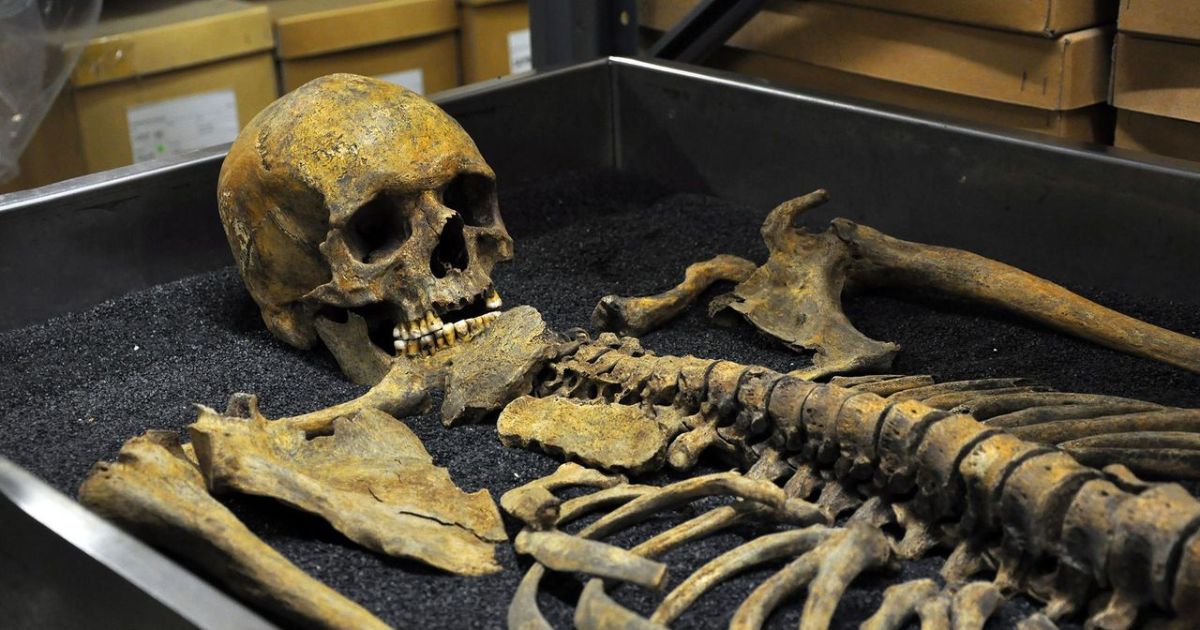
Websites have fuelled the trade. Instagram and online forums contain dozens of skulls and bones, their price between hundreds and thousands of pounds. There are some that look to be ex-medical teaching specimens, while others show signs of recent disturbance rodent chew marks, manganese staining, or wear consistent with being removed from coffins.
Mattaeus Ball, Reading-based dealer in “macabre art,” said earlier this year that he had ceased to sell human remains in their entirety, due to stolen items and blurring of provenance. “The waters are getting too muddy with pieces stolen, robbed-from-graves remains, so many things that simply aren’t right,” he wrote on the web.
Opponents suggest that this unregulated market could normalize the commodification of human bodies. Paul Boateng, a retired cabinet minister, has criticized the trade in ancestral remains from Indigenous communities as “a source of shame to our country.”
The Law’s Grey Zone
The Human Tissue Act 2004, enacted following the Alder Hey organ affair, governs medical research and the handling of tissue under 100 years old. But it does not regulate the majority of private dealing in older remains. That allows vendors to sell skulls as art objects or collectors’ items, as long as they weren’t acquired by straightforward theft.
For lawyers such as Imogen Jones, a professor of law at Leeds University, the contradiction is obvious. “You can’t photograph remains in a pathology department, but you can make a child’s spine into the handle of a handbag. The law hasn’t moved ahead of public expectations of dignity.”
Scragg, meanwhile, defends his trade, suggesting that selling skulls to collectors could be “more respectful than burying them six feet under.” Yet forensic experts argue that, without stricter oversight, Britain risks entering a new age of “body snatching” not unlike the grave robberies of the 19th century.
ALSO READ: Hotels Turn Into Battlegrounds — Why Is Immigration at the Centre of UK Protests?
A Call for Change
The Department for Culture, Media and Sport has emphasized that all human remains must be treated with “respect and dignity,” while the Human Tissue Authority refers to guiding principles of “consent, dignity, and honesty.” Nevertheless, campaigners argue that only tougher laws will slow the trade.
With skulls retailing online for up to £1,000 and demand fuelled by social media, the question is now whether Britain will proceed to close down a market that many view as grotesque or permit it to flourish in the underworld.