Mass Arrests After Terror Group Ban
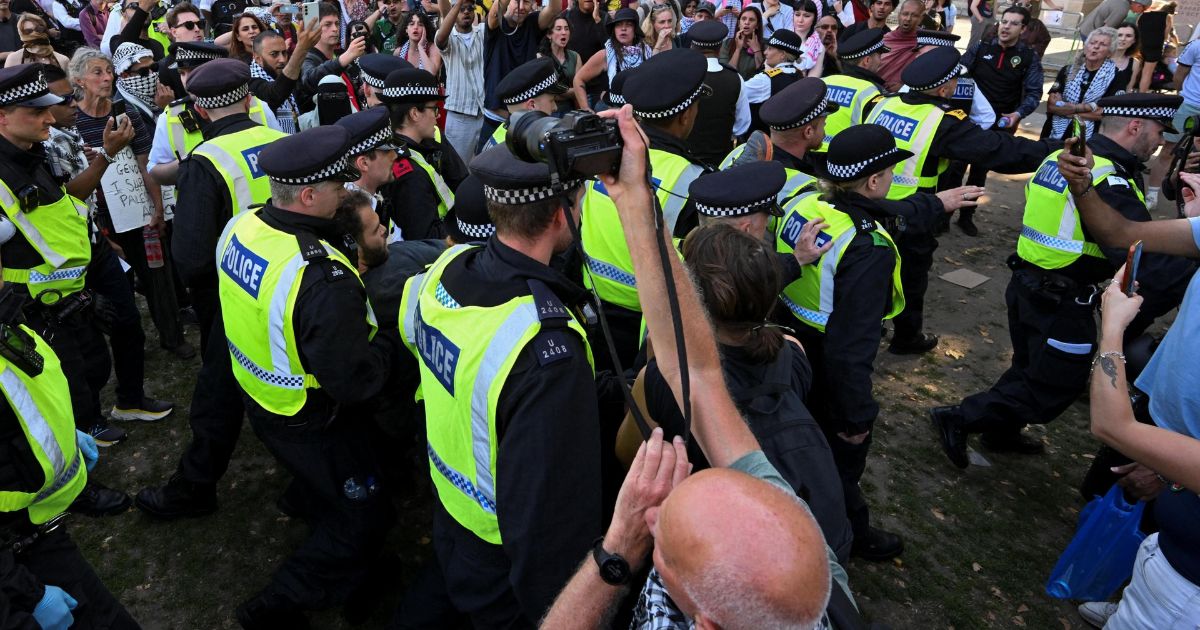
London’s Metropolitan Police have accused 67 people of supporting Palestine Action, a group that was recently proscribed under the UK’s Terrorism Act. Those accused are likely to appear in court on more than one date in October and face up to six months in jail if found guilty.
The UK government banned Palestine Action in July after members of the group had vandalized a Royal Air Force installation in the name of threats to national security. Over 700 individuals have been arrested since then on charges related to protests and demonstrations in favour of the group, primarily in London.
“Charges represent a commitment to applying the law and upholding public safety,” a Met spokesman said. Charges in connection with protests on two consecutive weekends last month were brought against 64 individuals, and three more were charged earlier this month.
High-Profile Arrests Fuel Free Speech Debate
The crackdown has been criticized by rights groups, who say the government’s action amounts to legal overreach and erodes freedom of expression.
Among those detained recently is renowned screenwriter Paul Laverty, arrested in Edinburgh on suspicion of endorsing Palestine Action during a protest. Irish writer Sally Rooney meanwhile vowed last week to give all payments from two BBC productions of her novels to the group, highlighting the row.
Observers point out that the arrests underscore the fine line between national security interests and safeguarding civil liberties. Opponents claim that the mass detentions threaten to criminalize dissent and protest.
ALSO READ: UK Overhauls Asylum Appeals Faster Rulings to End Hotel Housing Crisis
Ongoing Legal Proceedings and Public Response
The defendant will go through court hearings during October, and lawyers believe that the trials may push the Terrorism Act to its limits. Officials underlined that the charges are only about support for a banned group and not about protest action in general.
The Palestine Action controversy has fuelled broader public debate in the UK regarding the extent to which the state can limit activism connected with politically contentious causes. As the cases move forward, emphasis is likely to be given to both court verdicts and the wider implications for free speech in Britain.