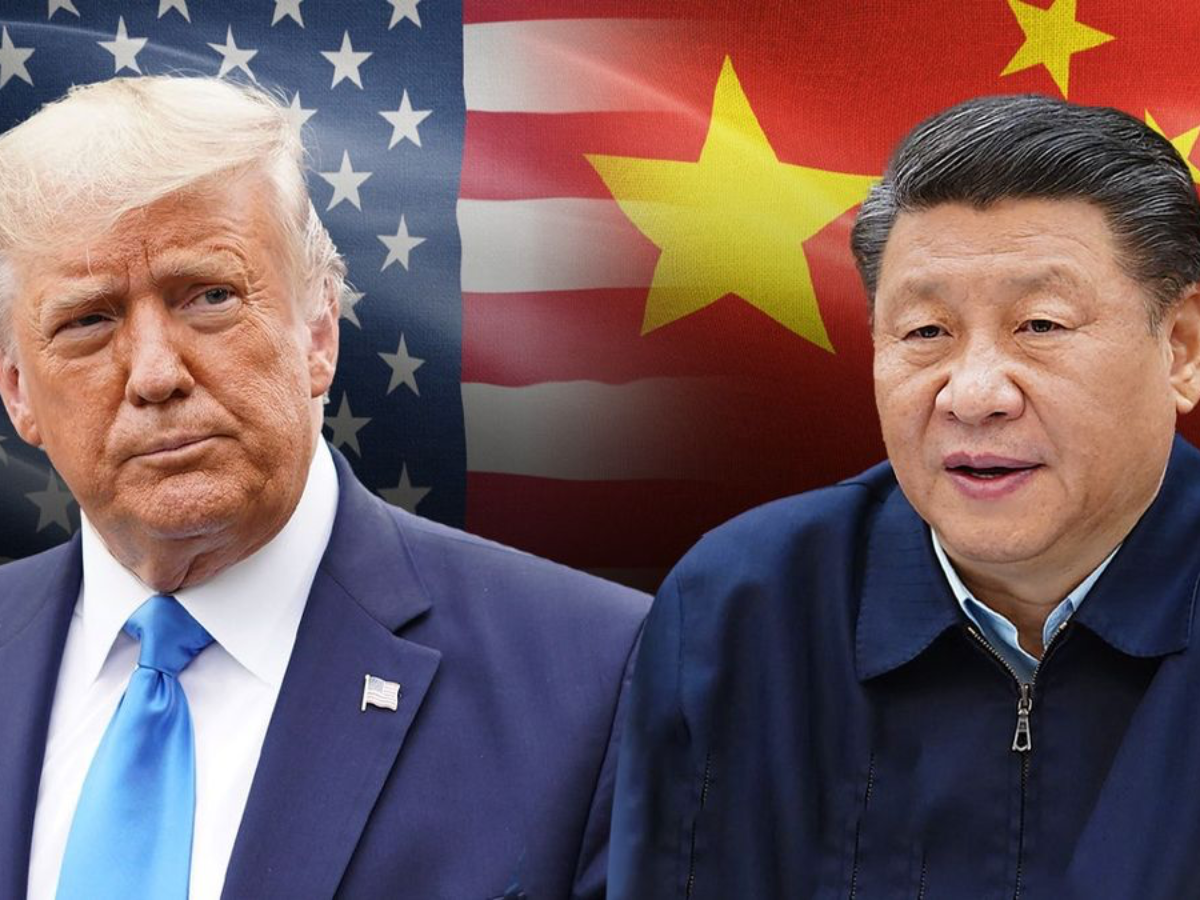
US-China Ties: The latest phone call between US President Donald Trump and Chinese President Xi Jinping marked a slow but perceptible shift in the mood between Washington and Beijing. Trump characterized the discussion as positive, with the two leaders touching on everything from the war in Ukraine to trade items such as soybeans and fentanyl enforcement.
His message was simple: communication must stay open, and the relationship remains strong despite the turbulence of recent years.
( @realDonaldTrump – Truth Social Post )
( Donald J. Trump – Nov 24, 2025, 12:39 PM ET )I just had a very good telephone call with President Xi, of China. We discussed many topics including Ukraine/Russia, Fentanyl, Soybeans and other Farm Products, et… pic.twitter.com/a7auJrLKHy
— Donald J Trump Posts TruthSocial (@TruthTrumpPost) November 24, 2025
Beijing Brings Taiwan to the Forefront
While the White House highlighted cooperation, Chinese state media pointed to a different priority. According to Xinhua, Xi used the call to underline China’s long-standing position that Taiwan’s return is tied to the international order built after World War Two.
By framing the issue this way, Beijing signalled that Taiwan remains at the centre of its foreign policy and that any external commentary on the matter will be treated as interference.
ALSO READ: Fact Check: Is Mark Kelly Under Investigation? Pentagon Responds After Trump’s Sedition Claim
Japan Draws China’s Sharpest Response
This tension has only increased after Japan’s new Prime Minister, Sanae Takaichi, suggested that a Chinese attack on Taiwan may be met with a military response from Tokyo. China’s Foreign Minister Wang Yi reacted strongly, saying her comments crossed a red line.
His statement accused Japan of sending the wrong message and warned that China would defend its sovereignty and the hard-won outcomes of the post-war settlement. The exchange pushes an already strained relationship into one of its most confrontational phases in years.
Trade Signals Indicate a Halt in Hostility
Amidst the bickering, there is evidence of an economic truce. Since Trump and Xi met in South Korea in October, China has resumed buying American soybeans, and Washington has relaxed some tariffs.
ALSO READ: Fact Check: Why Pakistan’s Campaign Can’t Dent Tejas Global Standing
China also lifted expanded controls on rare earth exports, a move that strained global supply chains earlier this year. Both leaders now speak of stabilized ties, with Xi adding that it is cooperation, not confrontation, that brings real benefits to both nations.
Finding Common Ground in a Fractured World
The two leaders also discussed the conflict in Ukraine, with Xi repeating China’s call for broader diplomatic efforts to reduce tensions. Though Washington and Beijing disagree on many global issues, the tone of the call suggests both sides recognize the value of dialogue, particularly at a time when Asia’s security landscape is becoming more complex.
The challenge now lies in whether this publicly espoused goodwill can be translated into lasting policy stability.
ALSO READ: What is the US OPT Program? How DHS Planned Overhaul Could Impact Indian Students
Disclaimer: This article presents an independent analysis based on publicly available information and should not be viewed as an official political or policy statement.