
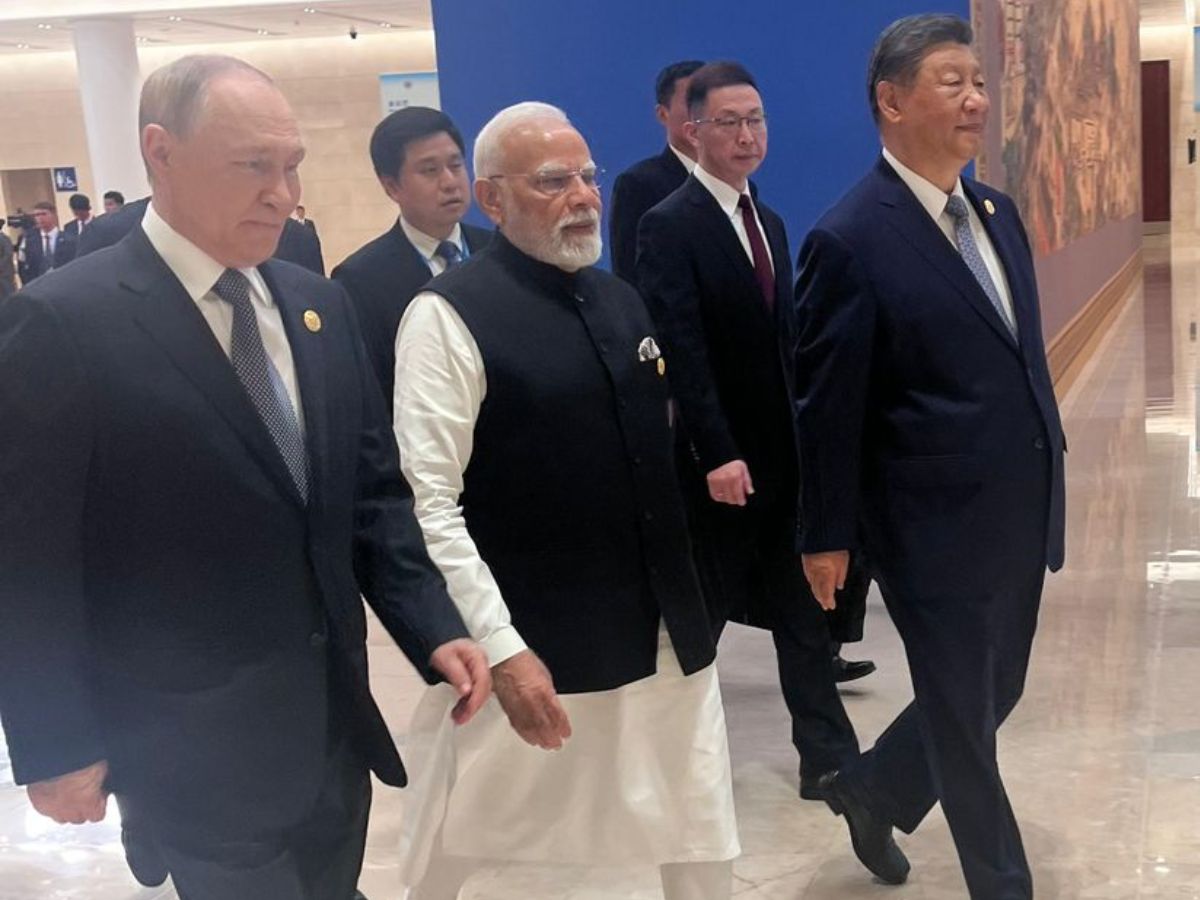
The Rise of Multipolarity and the Call for a New Global Governance System by Xi Jinping and Vladimir Putin has shown the glimpse of transition of power in world. In recent developments, Chinese President Xi Jinping and Russian President Vladimir Putin have jointly advocated for a transformation in global governance, emphasizing the establishment of a multipolar world order. This vision aims to counterbalance the dominance of Western powers, particularly the United States, in international affairs.
What Is Multipolarity?
Multipolarity refers to a global system where multiple countries or regions hold significant power and influence, as opposed to a unipolar system dominated by a single superpower. In this context, China and Russia are positioning themselves as central figures in a restructured international order that promotes greater equity and representation for the Global South.
Key Proposals from Xi and Putin
-
Reform of Global Institutions: Both leaders have called for the reform of international institutions such as the United Nations, the International Monetary Fund (IMF), and the World Bank to better reflect the interests and contributions of emerging economies.
-
Establishment of Alternative Financial Systems: They propose the creation of new financial mechanisms, including a Shanghai Cooperation Organization (SCO) development bank, to reduce reliance on Western-dominated financial systems and the U.S. dollar.
-
Promotion of Multilateralism: Xi and Putin emphasize the importance of multilateral approaches to global challenges, advocating for inclusive globalization that benefits all nations, particularly those in the Global South.
Recent Developments at the SCO Summit in Tianjin
At the recent Shanghai Cooperation Organization (SCO) summit in Tianjin, both Xi Jinping and Vladimir Putin reiterated their commitment to a multipolar world order. Xi criticized U.S. foreign policies, labeling them as “bullying,” and underscored the need for a new global governance system that reflects the aspirations of developing nations. Putin supported these sentiments, highlighting the SCO’s role in restoring “genuine multilateralism” and proposing a new security framework for Eurasia that is independent of Western influence.
The summit also witnessed increased solidarity among Global South nations, with leaders from Asia, the Middle East, and beyond expressing support for these initiatives. China announced plans to provide significant financial aid to SCO members and proposed the establishment of an AI cooperation center, further solidifying its leadership role in this emerging global order.
Implications for Global Governance
The push for a multipolar world order by Xi and Putin signifies a strategic shift in global power dynamics. By advocating for reforms in global governance structures and promoting multilateralism, they aim to create a more balanced international system that offers equitable opportunities for all nations. This movement challenges the existing Western-centric paradigm and seeks to empower emerging economies in shaping global policies and decisions.
As these developments unfold, the international community will closely monitor the progression of this multipolar vision and its potential to reshape the future of global governance. Xi and Putin Advocate for New Global Governance System at SCO Summit
The Rise of Multipolarity
The global order is shifting from U.S.-dominated unipolarity to multipolarity, where several nations and blocs share influence. At the recent SCO summit in Tianjin, leaders like Xi Jinping (China), Vladimir Putin (Russia), and Narendra Modi (India) emphasized the need for a new global governance system that balances power among multiple actors instead of following a single dominant nation.
Multipolarity means countries like the U.S., China, Russia, and India all play significant roles in global trade, security, and diplomacy. Regional blocs such as the SCO and BRICS are gaining weight, providing platforms for collaboration among emerging economies and offering alternatives to Western-led institutions.
The Tianjin summit highlighted this shift: Xi and Putin criticized unilateral economic measures by the West, pushed for financial and security cooperation among SCO members, and promoted multilateralism. For India, deeper engagement with China and Russia within such frameworks reflects its growing strategic autonomy.
In essence, the world is moving toward a system with multiple power centers, where decisions are shaped collectively, not dictated solely by the U.S., signaling a fundamental realignment in global politics.
Also Read: What is the full form of SCO? How Regional Blocs Like SCO Shape Global Power Balance