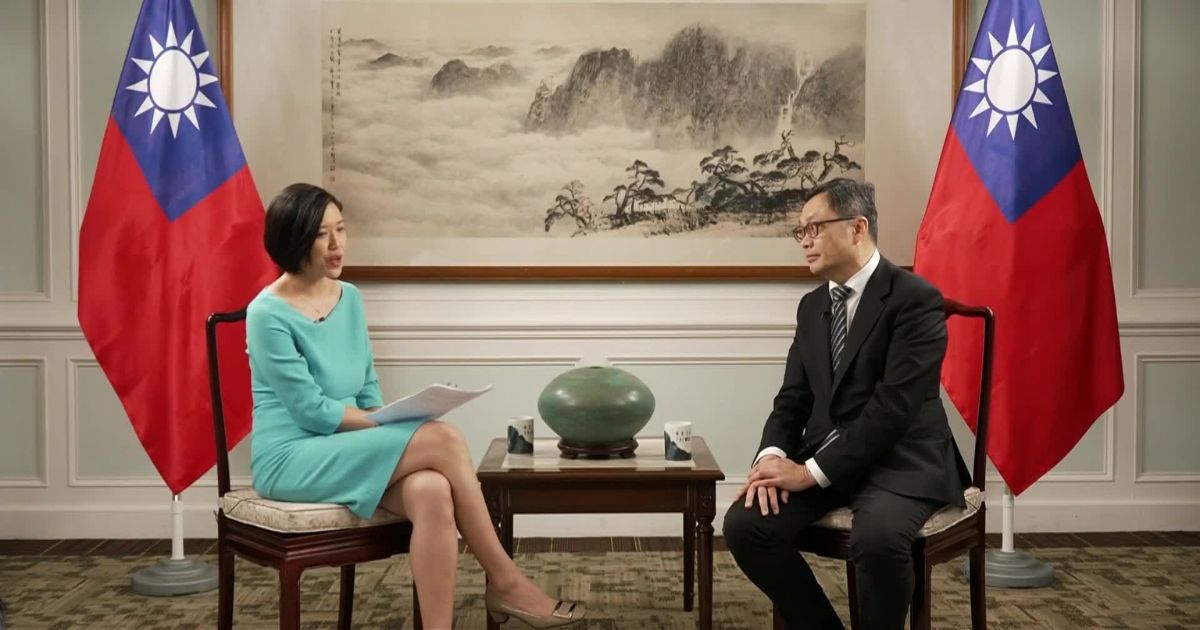
Taiwan has officially confirmed that it will engage in a fourth round of bilateral trade negotiations with the United States later this week, amid speculation surrounding potential tariff moves by Washington. The Cabinet, in a statement issued Monday, sought to clarify the government’s position while reinforcing the island’s commitment to deepening economic ties with its key democratic partner.
Cabinet spokesperson Michelle Lee said the discussions will be held under the “21st Century Trade Initiative,” a framework that has already yielded progress on digital trade, labor standards, customs procedures, and small and medium enterprise cooperation.
“This round of talks continues our momentum in building a strong, rules-based economic relationship with the United States,” Lee said during a press briefing. She added that the government “has not received any notice of new tariffs” from Washington, contrary to speculation that emerged last week in local media reports.
Rumours of Tariffs Denied
Reports had circulated in Taiwanese media suggesting that the U.S. had sent a formal notice indicating potential tariff adjustments on Taiwan-origin goods—possibly as part of a wider strategy targeting semiconductor exports or aligning supply chains in response to rising tensions with China. However, Lee dismissed such claims as “groundless” and reiterated that any formal trade or tariff communication would come through established diplomatic or economic channels.
In a follow-up statement, Taiwan’s Office of Trade Negotiations also confirmed that Washington had not issued any new import tax orders and that the forthcoming discussions will concentrate on addressing shared problems and fostering collaboration rather than imposing punitive measures.
Despite geopolitical tensions, a strategic partnership
In the current geopolitical environment, the continuous economic conversation between the US and Taiwan becomes more important, particularly as Beijing puts pressure on Taiwan to diversify its trading dependencies. As a key player in the global semiconductor supply chain, Taiwan’s economic and technological partnerships have become increasingly vital to both its national interests and global stability.
The agenda for this week’s summit will also include subjects like transparent trade practices, digital economy rules, and supply chain resilience—areas that are becoming more and more important in the face of escalating protectionism and global disruptions.
The talks underscore a broader strategy by both Washington and Taipei to bolster economic resilience and shared democratic values through trade, even in the absence of formal diplomatic relations.