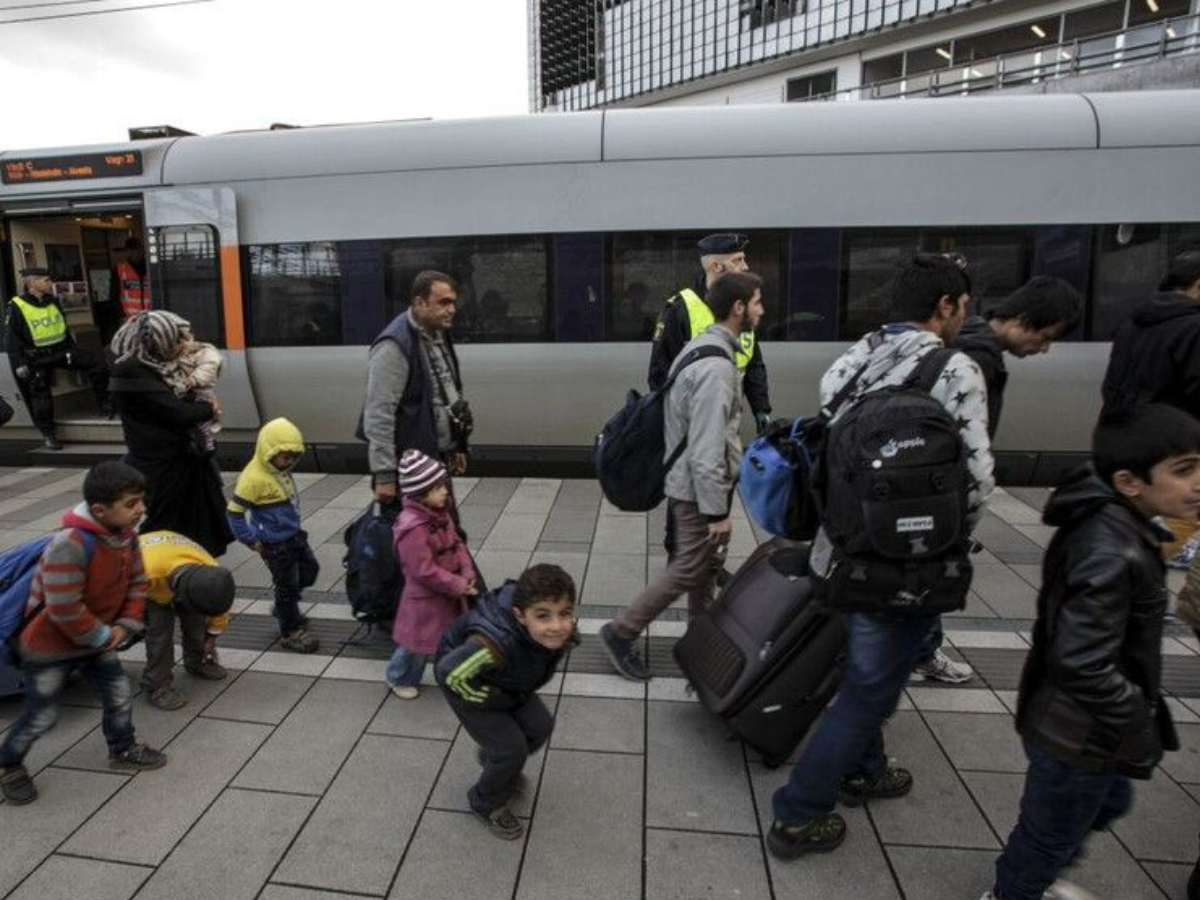
Sweden served as one famous humanitarian opening, extending its arms to thousands of migrants and asylum seekers fleeing from war, poverty and political instability but the tide has changed. After the adoption of an extreme political transformation and the country is now finding itself reinterpreting its immigration policies.
The most conspicuous reflection of this shift in a state approach toward migration is a recently announced plan to pay the migrants a return incentive of 350,000 Swedish kroner (around $34,000). This scheme is by all means in its magnitude and very much reflects the changing face of Sweden in dealing with migration.
Why is Sweden Paying Migrants to Leave?
The increase in the repatriation grants previously capped at just 10,000 kronor (under $1,000) is an audacious attempt to incite voluntary departures. The scheme launched in 2023, had very little participation, attracting just 70 applicants and only 1 of which was approved. Despite low take-up from the incentive program, an estimated 16,000 migrants independently returned home that year most of them were from Africa, the Middle East and Central Asia and did so without the benefit of any assistance.
ALSO READ: Who Is Greta Thunberg and Why Was She Detained on the Gaza Flotilla?
According to Swedish officials, the initial policy was not well-advertised or visible. “It shows how few even knew about the offer,” Ludvig Aspling of the anti-immigration Sweden Democrats said with the increased grant the government then intends to adequately inform the policy and provide the right incentives. The initiative is an act of compassion toward migrants by assisting them in rebuilding their lives elsewhere.
What is a Political Shift behind the Policy?
This extreme in migration policy came shortly after the electoral success of the Sweden Democrats, a party mainly popular for its rigorous anti mass-migration in the 2022 elections. From the historically open approach, the current administration is putting more weight behind voluntary repatriation and closing the avenues for permanent residency. The financial aid is envisioned not only as a cost-saving program but as one to alleviate bureaucratic hassles and encourage easier exits.
ALSO READ: Why Is a Global Flotilla Sailing Toward Gaza, and What Happens Next?
The policy contravenes recommendations made by a state-convened advisory panel suggesting that the government is willing to put political ideology ahead of expert consensus.
What is future of Sweden’s Immigration?
The new grant is set to become effective in 2026, represents a significant recalibration of Sweden’s national identity and immigration approach. Critics believe it runs the risk of tarnishing Sweden as a permanent place of refuge, while supporters maintain it offers a humanitarian and voluntary option for migrants who found their way to Europe blocked.
The absence of a cap for families raises questions about the long-term sustainability of the policy and its possible perverse effects. It seems that Sweden wants to pursue the idea of voluntary returns financially instead of the alternatives presented by forced deportation or severe legal barriers.
ALSO READ: What is GenZ 212? From Discord Servers to Deadly Streets: Morocco’s New Generation of Activists
Disclaimer: This article is for informational purposes only and does not express political opinions or legal advice regarding immigration or government policies.