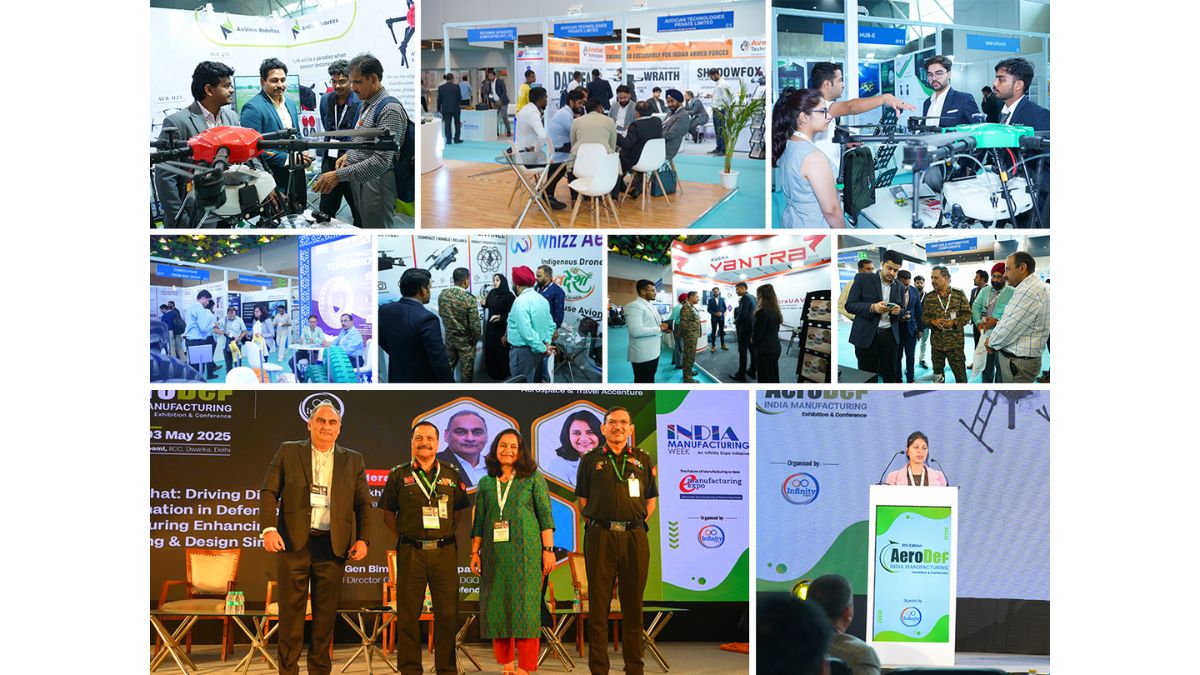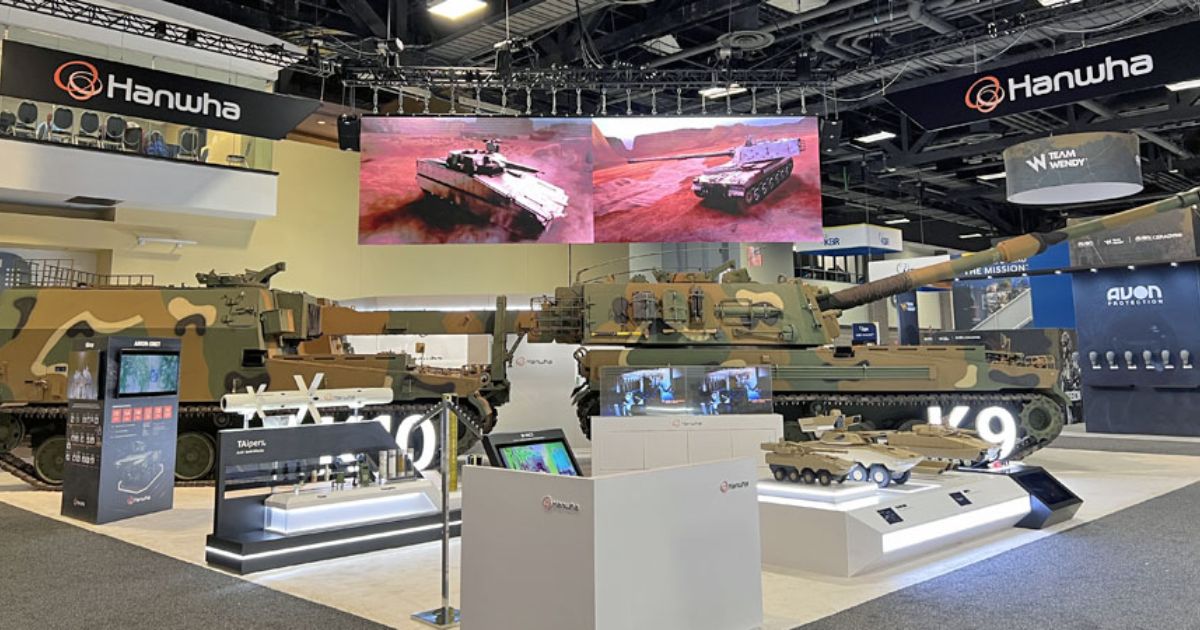
When people generally think of South Korea, they likely think of K-pop idols, high-end smartphones, and blockbuster films. But in addition to this cultural phenomenon, the nation is quietly developing another global legacy through its flourishing defense industry. South Korea’s arms manufacturing industry has become a leading exporter, providing state-of-the-art military technology across Asia and around the world. The “K-Defense” narrative is developing, why it’s important, and why it’s a potent new player in international security.
From Rapid Modernization to Global Player
South Korea’s defense industry wasn’t always so large. After the Korean War, the nation relied heavily on American military hardware. But for the past several decades, Seoul pumped significant resources into creating defense technology of its own. It concentrated on equipping its military with weapons systems produced at home, from tanks and fighter planes to missile defense systems and warships.
This independence forced South Korea to emerge as one of the world’s leading arms manufacturers. Today, it is among the top 10 world defense exporters. Its products are competitive both in terms of price and quality, with technology equal to that of established defense titans such as the US, Russia, and Europe.
Other nations around Asia and the globe are sitting up and paying attention. South Korea has secured deals in the Middle East, Southeast Asia, and Eastern Europe, selling everything from fighter aircraft such as the FA-50 to naval destroyers and missile systems. Becoming a global seller rather than simply a regional buyer represents a new era for Seoul’s role in global security.
The Tech Edge: Innovation Driving Demand
It is not only manufacturing capacity that makes South Korea different, but its technological superiority. Its defense industry has welcomed innovation, incorporating artificial intelligence, cyber warfare technology, and precision-guided munitions. This modernization is attractive to nations seeking advanced but reasonably priced substitutes for Western weapons.
For instance, the KF-21 Boramae fighter aircraft currently being developed is being positioned as a game-changer. It’s made to rival some of the world’s top stealth fighters but for pennies on the dollar. So are South Korea’s smart tanks and drones, which demonstrate the power of automation and AI to reshape conventional war.
A second important factor is South Korea’s increasing experience in naval technology. South Korea has sold its submarines and destroyers to nations such as Indonesia and the Philippines, which are increasing their maritime security amid growing tensions in the South China Sea.
Geopolitics and Increasing Influence
South Korean arms exports are not an isolated phenomenon they’re closely connected to the country’s strategic alliances and regional balance. Its security contracts tend to have diplomatic overtones, reaffirming relations with purchasers fearful of China’s growing reach or North Korea’s unstable threats.
To most Southeast Asian countries, South Korea is a reliable ally that not only supplies quality weapons but also fewer political strings than classic Western providers. This “middle ground” function is enhancing Seoul’s soft power in the region.
Meanwhile, Seoul counterbalances its defense exports with its relationship with the US Both nations work closely on technology development, which ensures that South Korea has high standards and interoperability with Western equipment.
South Korea’s double life as a cultural giant and a defense industry exporter is an unusual one for the global stage. As K-pop fans Korean culture around the globe, K-defense is insidiously deepening the nation’s strategic reach.