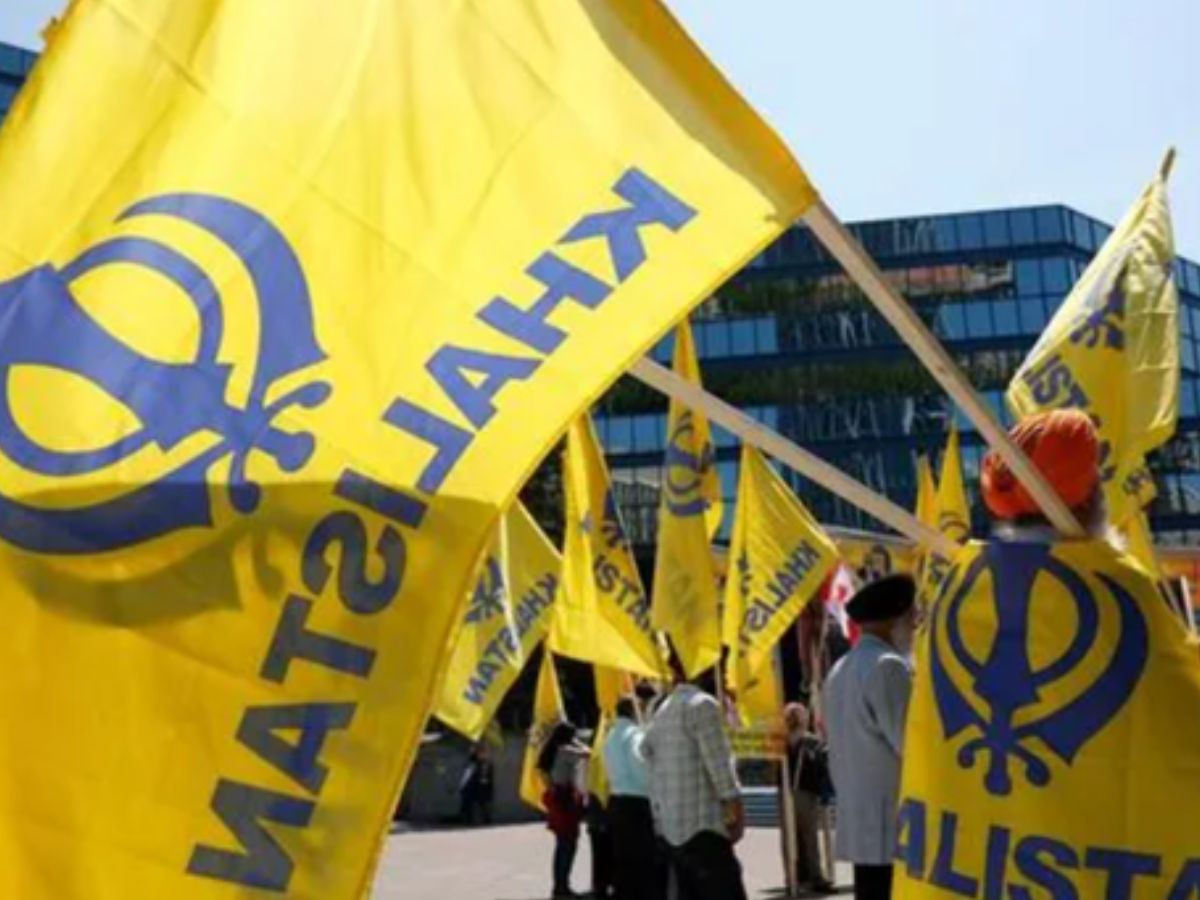
Sikhs for Justice (SFJ), a banned Khalistani group, has threatened to “siege” the Indian consulate in Vancouver, Canada. The group has shared a public notice asking Indo-Canadians not to visit the consulate on September 18, the day of the planned 12-hour siege starting at 8 am local time.
Allegations Against Indian Consulates
SFJ tied its threat to former Canadian Prime Minister Justin Trudeau’s claims that Indian agents were involved in the killing of Khalistani separatist leader Hardeep Singh Nijjar. The organization also accused Indian consulates of running “spy networks” targeting supporters of the Khalistani referendum.
The notice warned, “Indo-Canadians planning routine visits to the Vancouver Indian Consulate on 18 September are advised to refrain and choose another date. Pro-Khalistan Sikhs Shaheed Nijjar will lay a historic ‘SIEGE’ of the Consulate to demand accountability for Indian state-directed espionage and intimidation on Canadian soil.” Along with the notice, SFJ released a poster featuring India’s High Commissioner-designate Dinesh Patnaik with a target on his face, describing him as the “New face of India’s Hindutva terror in Canada.”
Role of Khalistani Leaders
The SFJ notice highlighted the involvement of prominent Khalistani figures, particularly Inderjeet Gosal, a key coordinator of the organization. According to the notice, the Royal Canadian Mounted Police (RCMP) have provided him with “witness protection” due to threats to his safety. Gosal has a controversial history; he was arrested last year in connection with a violent attack at a Hindu temple in the Greater Toronto Area (GTA).
SFJ’s public statements suggest that leaders like Gosal are central to organizing the consulate siege and other high-profile demonstrations abroad. Their activities, combined with claims of Indian consulate “espionage” against the Khalistani movement, reflect a broader strategy by the group to mobilize diaspora communities in Canada and exert pressure on Indian diplomatic missions. The prominence of such figures in SFJ operations indicates the potential seriousness of the planned actions, raising concerns for both local law enforcement and Indian authorities.
Background: India Canada Diplomatic Tension
The SFJ threat comes over a year after diplomatic ties between India and Canada soured following Trudeau’s allegations of Indian involvement in Nijjar’s killing in 2023. India dismissed the claims as “absurd” and responded by recalling six diplomats, including its High Commissioner, and expelling six Canadian diplomats.
Steps Toward Resetting Relations
Recently, India and Canada appointed Dinesh K Patnaik and Christopher Cooter as their respective high commissioners. Patnaik, currently India’s ambassador to Spain, is set to take over the diplomatic post in Ottawa, signaling a move toward repairing ties. The SFJ threat underscores the continued activities of Khalistani separatist groups abroad and highlights the delicate state of India-Canada diplomatic relations following high-profile incidents like the killing of Hardeep Singh Nijjar.
Also Read: Most-Wanted Khalistani Terrorist Pavittar Singh Batala Nabbed by FBI in California