
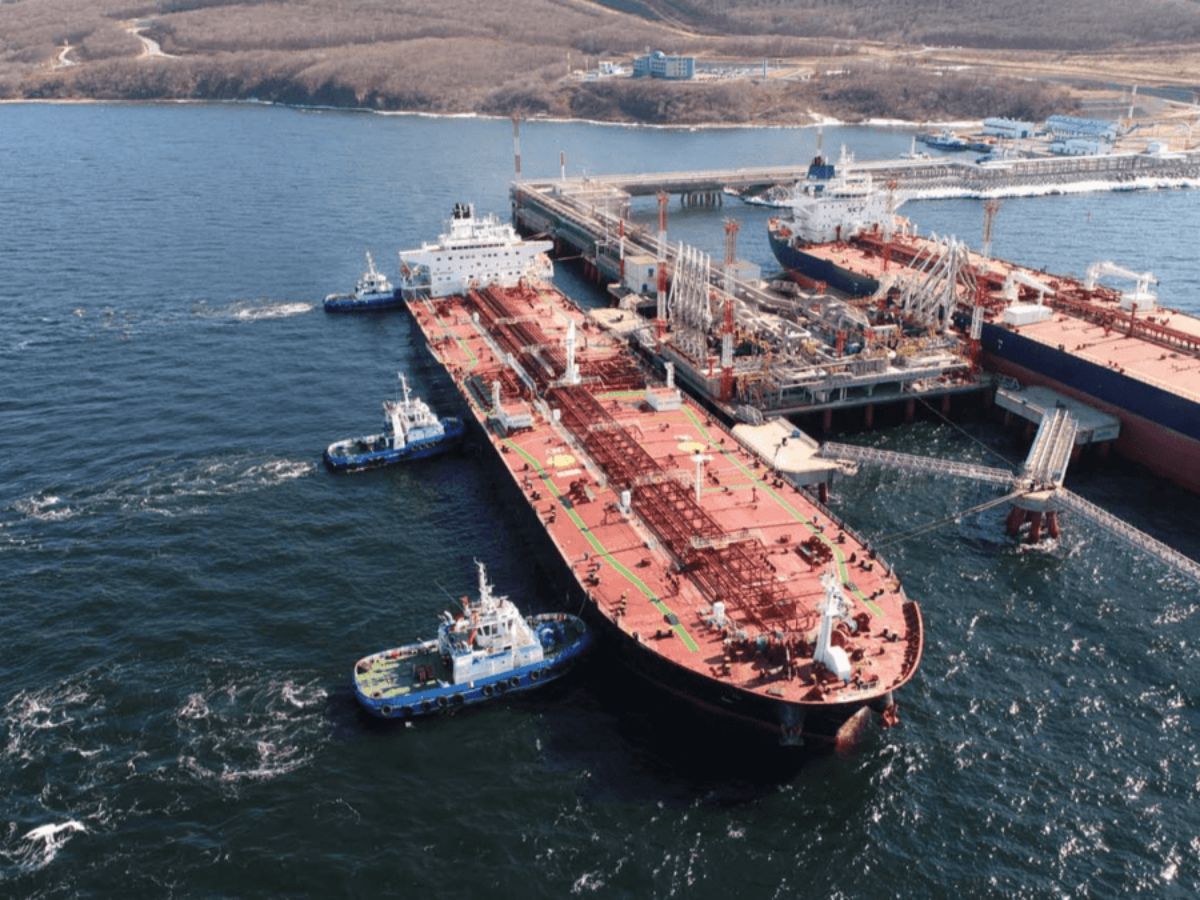
Following the imposition of significant tariffs on India by US President Donald Trump over its purchase of Russian crude oil, demand from New Delhi for Moscow’s supplies has reportedly dropped. Taking advantage of the situation, Chinese refineries have stepped in, placing new orders for Russian oil from ports that previously supplied India, according to multiple reports.
After Western nations restricted Russian oil imports following Moscow’s 2022 invasion of Ukraine, India and China emerged as the largest buyers of Russian crude. Due to pressure from tariffs, India has reduced its output, thus China has acted quickly to acquire more supplies.
Cargo Orders and Delivery Timeline
CNN, citing analysts, reported that at least 15 cargoes of Russian oil have been secured by Chinese refiners, scheduled for delivery in October and November 2025. Each cargo is estimated to carry between 700,000 to 1 million barrels, primarily from Russia’s Arctic and Black Sea ports, which typically supplied India.
According to Muyu Xu, senior crude oil analyst at Kpler, China’s state-owned and large private refiners purchased about 13 cargoes for October and at least two more for November, capitalizing on India’s reduced intake following the US tariffs.
US Tariffs and India’s Response
Earlier in July, President Trump threatened secondary tariffs on countries importing Russian oil, aiming to pressure Moscow to end the ongoing war in Ukraine.In retaliation, India was imposed 25% more taxes on Russian gas and oil imports than it already had.
According to trade sources cited by Reuters, India dramatically reduced its purchases of Russian oil as a result of these actions. India, however, insists that it has not completely halted imports and highlights that economic factors, not political ones, are what drive purchases.
“Indian state refiners paused Russian oil purchases last month,” Reuters added, noting that the slowdown likely occurred at the beginning of the month.
China Moves Carefully Amid Sanction Risks
Despite the opportunity, Chinese refiners are reportedly cautious about potential US sanctions.
Trump subsequently stated that he may change his mind within the next two to three weeks and does not currently intend to put retaliatory tariffs on nations who purchase Russian oil.
As New Delhi adjusts its imports to reconcile economic demands with geopolitical pressures, analysts predict that China’s aggressive purchase of Russian crude could change the global energy supply chain.
Also Read: Israel Begins Preliminary Actions for Ground Offensive in Gaza City Amid Rising Tensions
Implications for Global Energy Markets
The shift in Russian oil trade from India to China highlights how international sanctions and tariffs can rapidly influence global oil flows.
With India reducing its intake under external pressures, China is consolidating its position as a key buyer of discounted Russian crude, potentially securing a long-term advantage in energy supply and pricing.