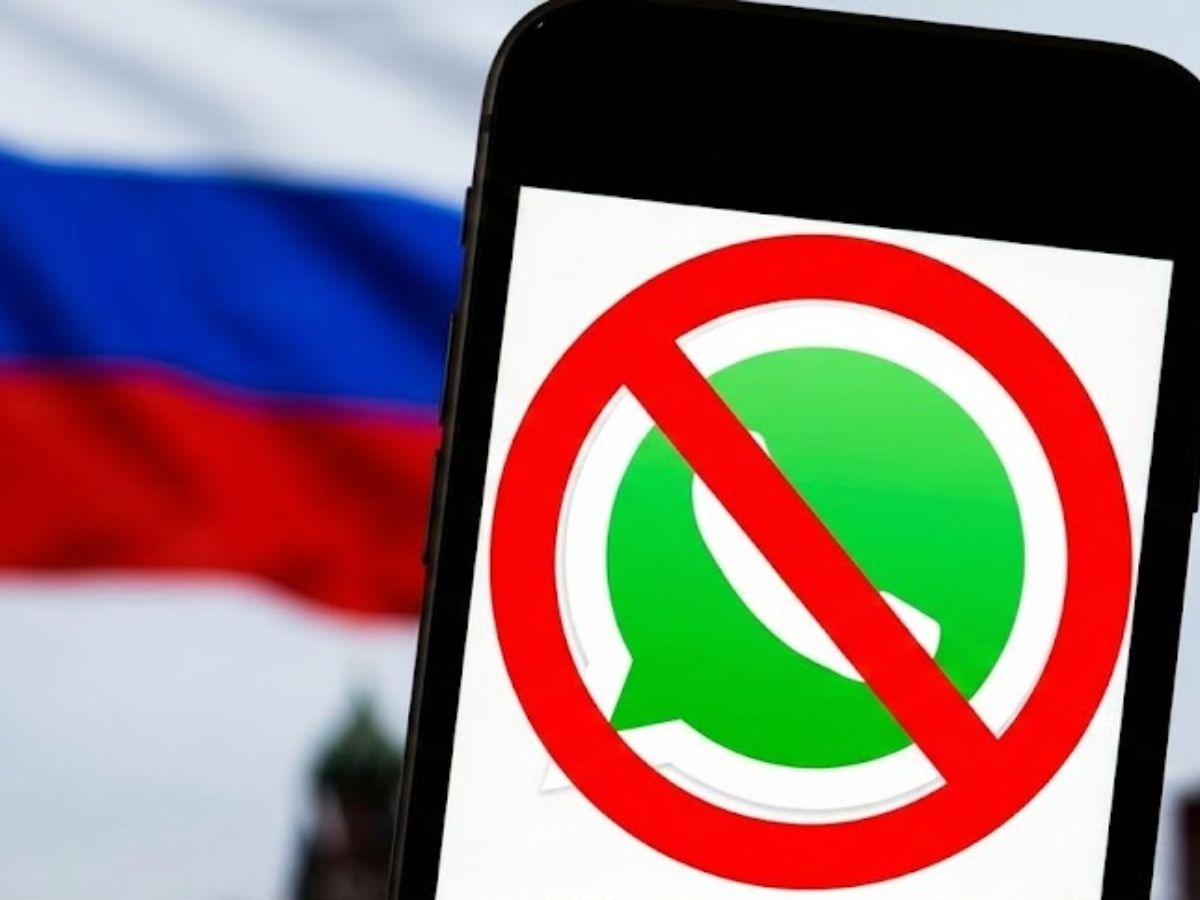
Russia has escalated its digital standoff with Western technology companies by threatening a complete ban on WhatsApp. The popular messaging service stands accused of failing to control criminal activity on its platform, pushing the nation closer to a major digital shift for its citizens.
What Are the Official Accusations?
Why is WhatsApp facing a potential blackout in Russia? The government’s communications watchdog, Roskomnadzor, has leveled serious charges against the app. In an official statement, the agency claimed WhatsApp is being used to “organise and carry out terrorist acts in the country, to recruit perpetrators, and for fraud and other crimes against our citizens.” This paints the service as a direct threat to national security. The regulator issued a stark warning: “If the messenger fails to comply with Russian legislation, it will be completely blocked.”
Also Read: Top Zelensky Aide Resigns After Anti-Corruption Raid, Dealing Blow to Wartime Leadership
What is the Real Point of Disagreement?
What does Russia want that WhatsApp isn’t providing? The core conflict revolves around data access. Russian law enforcement demands the ability to access user data from messaging apps upon request. They state this is necessary for investigating fraud and what they classify as terrorist activities. This longstanding demand puts platforms like WhatsApp in a difficult position, as providing such access would compromise their end-to-end encryption and user privacy policies.
How Does This Fit into a Larger Pattern?
Is this threat an isolated event? The move against WhatsApp is part of a broader crackdown on foreign-owned digital platforms. Earlier this year, Moscow had already blocked users from making calls through the service. This pattern of restrictions intensified after the war in Ukraine began, a period that also saw Western sanctions and many international businesses scaling back operations in Russia. The government is actively urging citizens to switch to state-backed digital services.
What Are the Broader Implications?
Digital rights advocates worry that the government’s request for data could increase its ability to spy. They raise important concerns about security vs online freedom and warn that it may be used to silence opponents of Putin, the Kremlin, or the conflict in Ukraine.
What Happens Next for Russian Users?
With WhatsApp being one of the most popular messaging apps in Russia, a full ban would impact millions of people. The push to migrate users to domestic platforms represents a significant shift in how Russians communicate. The ball is now in the court of WhatsApp’s parent company, Meta, which has not yet publicly responded to this latest threat of a complete blockade.