
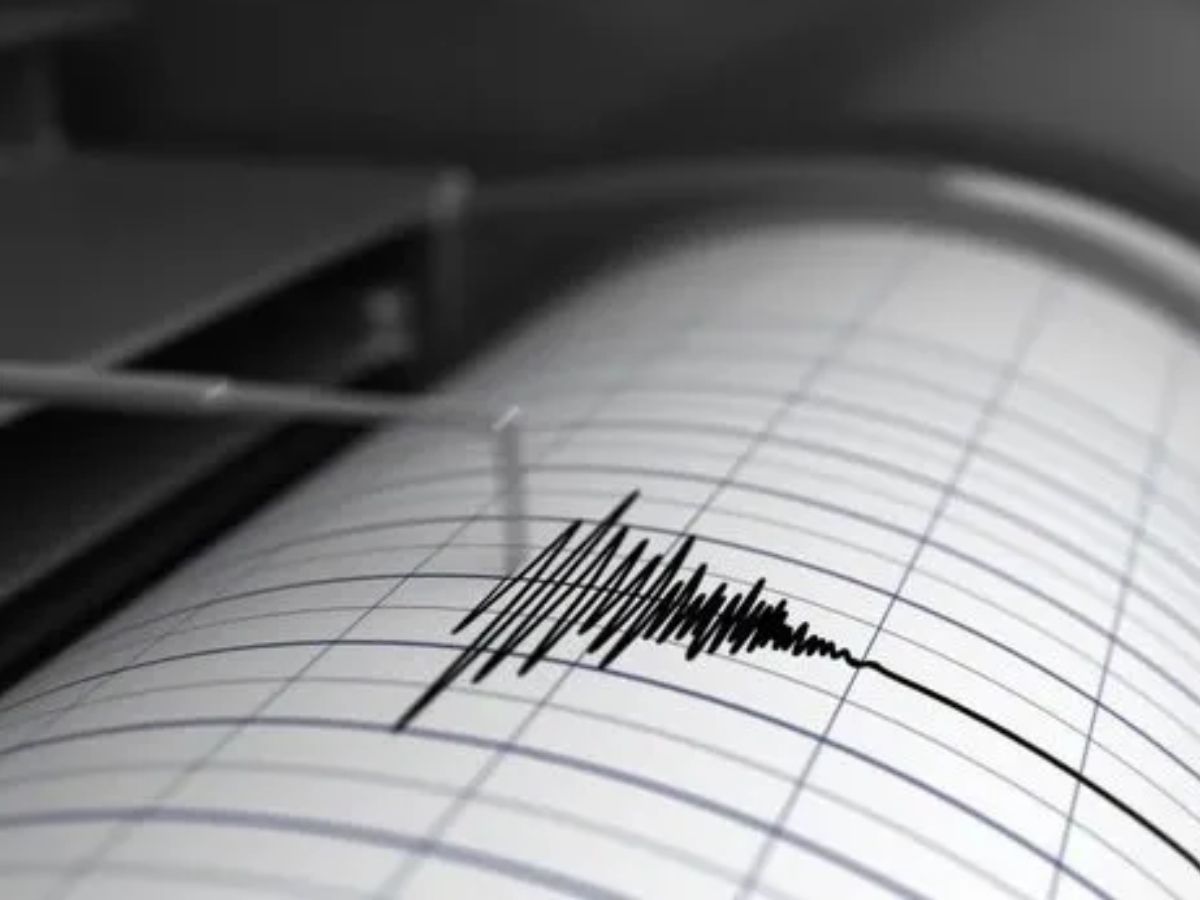
Seismic unrest in the Pacific Ring of Fire persisted on Thursday as a 6.0 magnitude earthquake struck off Russia’s coast, underscoring the area’s geological volatility.
What Was the Latest Earthquake?
According to seismic monitoring agencies, the definitive details of the latest event are:
- Magnitude: 6.0 on the Richter scale.
- Location: Off the Russian coast, near the Kamchatka Peninsula.
- Impact: Despite its significant strength, which is capable of causing damage, there were no immediate reports of casualties or infrastructure damage. The quake’s offshore location and depth likely mitigated its impact.
Is This Earthquake Related to the Previous One?
Yes, seismologists would classify this 6.0 tremor as a strong aftershock.
The Triggering Event: This latest quake comes just one day after a much more powerful 7.8 magnitude earthquake struck the same region.
Aftershock Sequences: It is standard geological procedure for a major quake to be followed by a series of aftershocks, some of which can be significant in their own right. These aftershocks can continue for days, weeks, or even months as the Earth’s crust adjusts to the displacement caused by the main shock.
Previous Activity: The initial 7.8 quake was powerful enough to prompt a Tsunami Advisory for Alaska’s Western Aleutian Islands, which was later canceled. It was followed within minutes by two other tremors (magnitudes 5.8 and 5.4).
Also Read: Baba Vanga’s Chilling 2026 Predictions Include WW3 and Alien Contact
Why Is This Area So Seismically Active?
This cluster of earthquakes is not a random occurrence.
The Ring of Fire: Positioned on the Pacific “Ring of Fire,” Kamchatka faces constant and significant seismic activity.
Tectonic Plates: Driven by the Pacific plate subducting beneath the Okhotsk microplate, this activity has so far caused no visible damage, though assessments are ongoing.
What is the Current Status?
The situation is being closely monitored, but the immediate danger appears to have passed. As of the latest reports, there are no tsunami warnings or advisories associated with this specific 6.0 magnitude aftershock. Although the evaluation is ongoing, it is promising that no immediate damage has been detected.