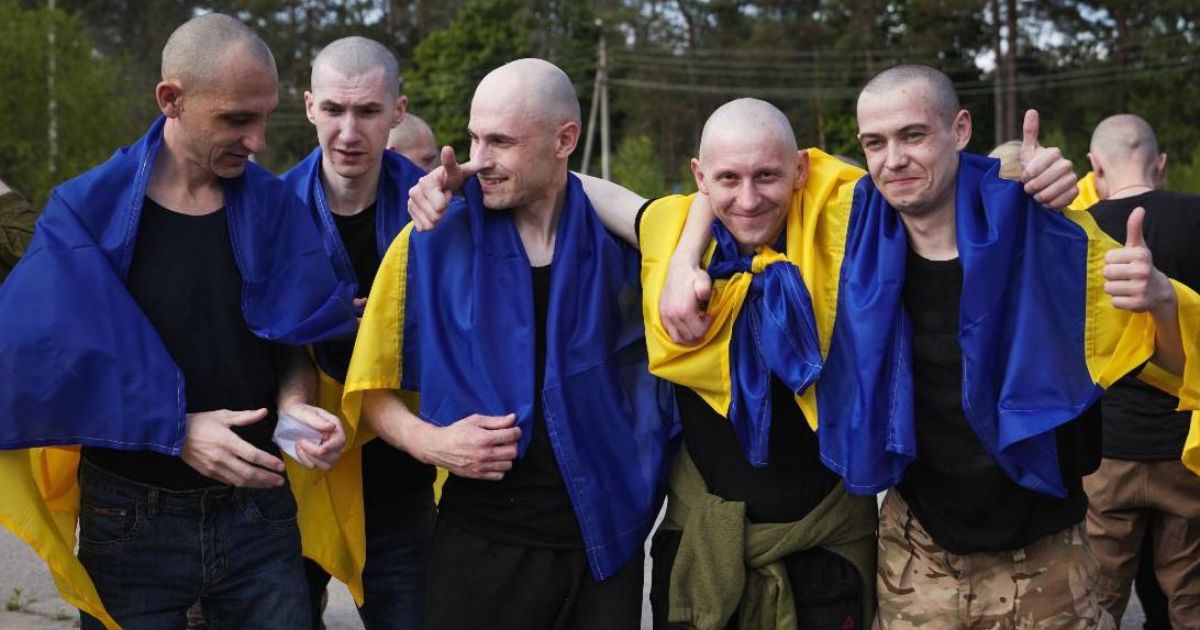
In an unusual display of diplomacy in the face of continued war, Russia and Ukraine on Sunday released 146 prisoners of war from both countries in a trade facilitated by the United Arab Emirates. The exchange, which was announced by both Moscow and Kyiv, follows as continued combat continues with little breakthrough at the table.
Ukrainian President Volodymyr Zelenskyy posted pictures of smiling troops welcoming back their loved ones, saying that most had been held captive since 2022, when Russia initially began its assault. One of the people released was a journalist taken captive only a month into the war.
“These talks go on due to the work of our soldiers, who top up the exchange fund for Ukraine,” Zelenskyy wrote on Telegram, in relation to Russian servicemen who were taken prisoner. He also thanked the UAE for arranging the negotiations and coordinating the logistics of the exchange.
On the Russian side, the Defence Ministry stated that all liberated prisoners were handed over to Belarus, where they are being given psychological support and medical treatment.
Disputes Over Civilians
Although the exchange was widely greeted as a step forward, it also underscored persisting tensions. Vladimir Medinsky, one of Russia’s top negotiators, alleged that Ukraine was dragging its feet to bring back civilians from Russia’s Kursk region, a territory where Ukrainian troops launched a significant incursion last year.
“Three months have gone by and residents of the Kursk region are not being released, but exchanged in small groups for people required by Ukraine,” Medinsky posted on Telegram. He said more than 20 residents were yet to be released, accusing Kyiv of employing them as bargaining chips.
ALSO READ: On Ukraine’s Independence Day, Drones, Fires And Prisoner Swaps Redraw Battle Lines
A Fragile Step in a Wider War
The prisoner exchange is one of several carried out since the war began, but it underscores both the fragility and necessity of limited cooperation between the two warring states. With frontline fighting continuing and diplomatic negotiations stalled, such humanitarian gestures are rare points of agreement.
For Ukraine, every return is a sign of strength and improves morale at home. For Russia, recovering back its captured personnel and civilians is politically significant. The UAE intervention further shows how external facilitators are increasingly intervening to arrange tricky humanitarian agreements.
Whether this breakthrough will ignite wider conversation is unclear, but for the families who received loved ones home, Sunday’s agreement was a breath of fresh air in a conflict with no end apparently in sight.