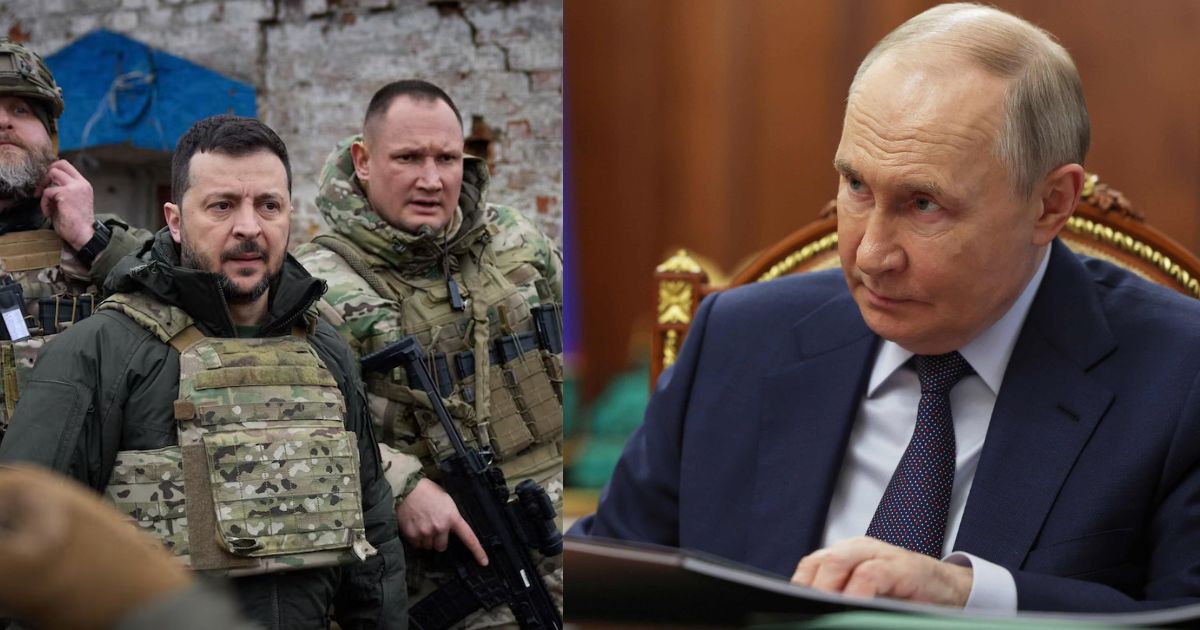
In reaction to increasing global pressure, Russian and Ukrainian representatives held a brief meeting in Istanbul on Wednesday. The peace talks were declared “difficult” by the authorities concerned. Although representing a weak diplomatic resurrection and humanitarian advances, Istanbul negotiations are too little to end the war. After more than three years of atrocious war, Russia and Ukraine are again negotiating a negotiated peace following enhanced diplomatic efforts surrounding negotiations held this week.
UN and Turkey facilitate, Ineffective though
The senior-level talk, facilitated by Turkey and supported by the UN, is the most significant peace gesture made since the conflict began. As both sides have agreed to the formation of working groups to deliberate on significant issues such as troop pullouts, prisoner swaps, and humanitarian corridors, The New York Times states the talks are at a “fragile but promising” moment.
The symbolic value of both parties sitting across the negotiating table signifies a tone shift, although a final accord is not soon to be had, especially given the mounting fatigue brought about by the prolonged war, both at home and abroad. One of the forces pushing the renewed engagement is the mounting economic pressure on both nations.
Ukraine continues to struggle with internal displacement, destruction of infrastructure, and increased rehabilitation needs, and Russia continues to grapple with extended sanctions and increased domestic pressure. Indeed, European leaders now urge a negotiated solution in a bid to prevent further energy insecurity and regional instability, reflecting a shift in the West’s stance.
Challenges, Hurdles and Refusals
Both Sides Refuse to Give In There are still significant issues to be addressed in the attempt to bring an end to the disagreement. Ukraine holds that there are to be no concessions of territory for Crimea or the Donbas region. Russia insists that Western sanctions need to be removed and that it should continue to retain strategic influence over newly won areas as the basis for lasting peace. There is still considerable suspicion between the two parties, and earlier cease-fire pacts have been continually breached. The Indian Perspective The events carry a particular meaning for India and other non-allied nations.
Even if these negotiations produce near-term rewards, analysts warn that lasting peace will depend on ongoing international engagement and deep structural concessions. But the renewed debate in a conflict that has claimed hundreds of thousands of lives and altered the shape of global geopolitics is cause for hope. The world watches as diplomacy struggles to assume command of the battlefield.