
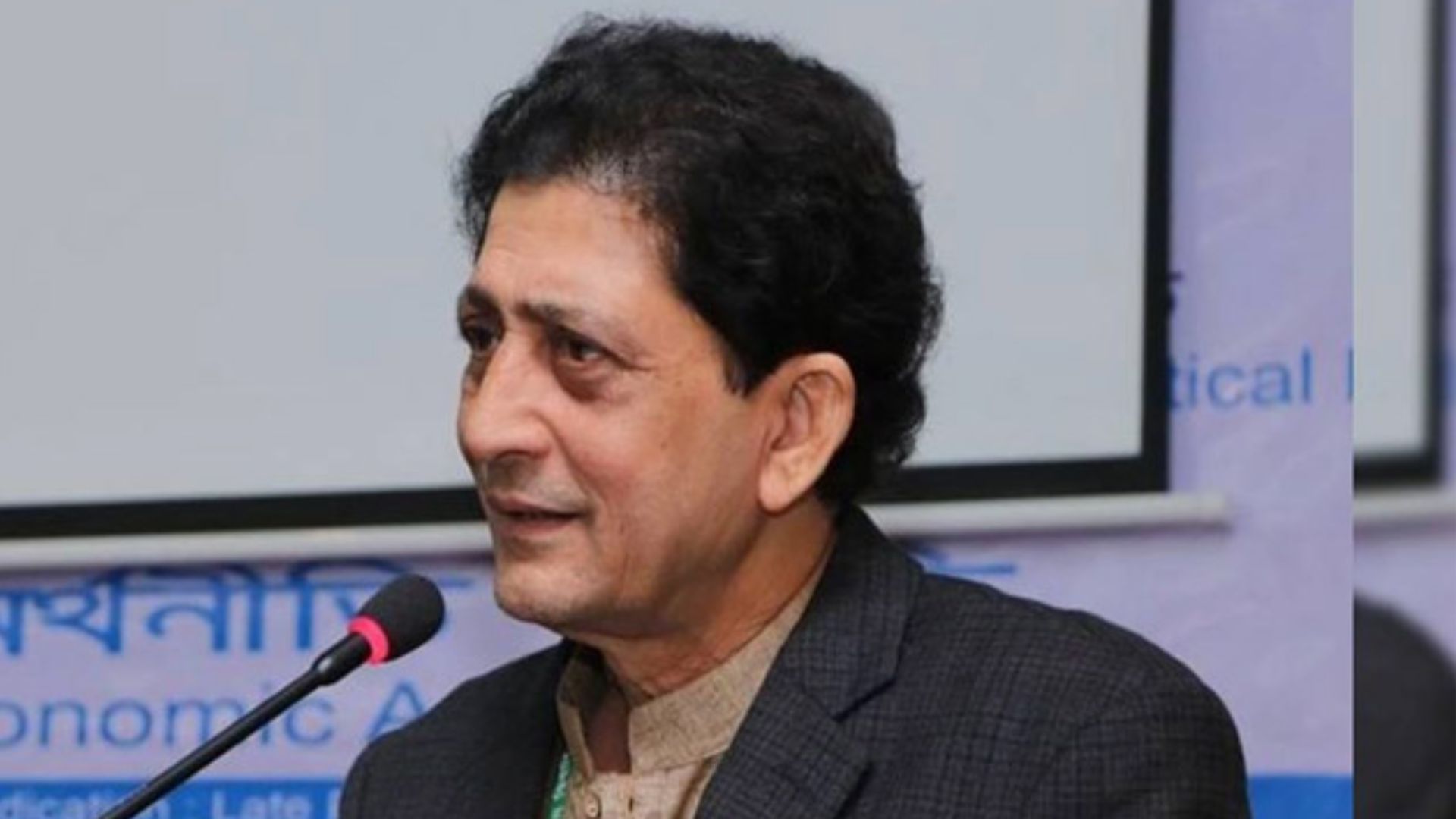
In an incident that many are calling a clear case of government overreach, prominent Bangladeshi economist Abul Barkat was arrested by the Detective Branch of the Dhaka Metropolitan Police in connection with a corruption case. Barkat, who is also the former chairman of Janata Bank, was taken into custody after police conducted late-night searches at his home, causing widespread concern among human rights advocates and opposition leaders, especially with national elections approaching.
Daughter Describes Midnight Arrest by Over 20 Policemen
Abul Barkat’s daughter shared details of the arrest, saying that more than 20 policemen came to their residence at night and arrested her father. The sudden and forceful nature of the arrest has further raised eyebrows about the intention behind the action.
A Vocal Academic Known for Defending Minority Rights
Barkat is not only a former banking official but also a respected academic who taught at Dhaka University for four decades. Over the years, he has been a strong advocate for the rights of minorities in Bangladesh, particularly the Hindu community, which has often faced marginalization.
He is also known for his uncompromising criticism of religious extremism, especially targeting radical Islamist groups like Jamaat-e-Islami, which have been repeatedly accused of violence and discrimination against religious minorities. Barkat once warned, “there will be no Hindus left in Bangladesh in 30 years,” drawing attention to the ongoing threats faced by minority communities.
Critics Say Arrest Is Politically Motivated
Following the arrest, several activists and opposition leaders sharply criticized the interim government led by Muhammad Yunus, accusing it of weaponizing state institutions to suppress dissent and create a climate of fear. Many view Barkat’s detention not as a legal action, but as a calculated move to silence a prominent voice who has consistently challenged the government’s policies, especially its inability to curb rising religious extremism and its failure to safeguard minority communities.
Critics argue that Barkat’s long-standing advocacy for the Hindu community and his vocal warnings about the decline of secularism in Bangladesh may have made him a target for those in power who are intolerant of criticism.
The arrest has intensified concerns among civil society members that the government is deliberately cracking down on intellectuals, scholars, and rights defenders in the lead-up to national elections. By framing these actions as part of corruption crackdowns or legal enforcement, the regime appears to be creating a facade of legitimacy, while effectively stifling opposition voices, weakening civil discourse, and shrinking democratic space in the country.
Several international observers and human rights organizations have also begun to raise alarms, warning that such tactics may result in a deep erosion of democratic principles and further destabilize the country’s political environment.