
Massive Internet Disruptions
Internet access in many Middle Eastern and Asian nations, such as India, Pakistan, and the UAE, was disrupted after undersea cables at the bottom of the Red Sea were apparently cut, confirmed Microsoft. Microsoft’s Azure cloud services users also suffered increased latency and sporadic access as traffic was diverted to alternate routes.
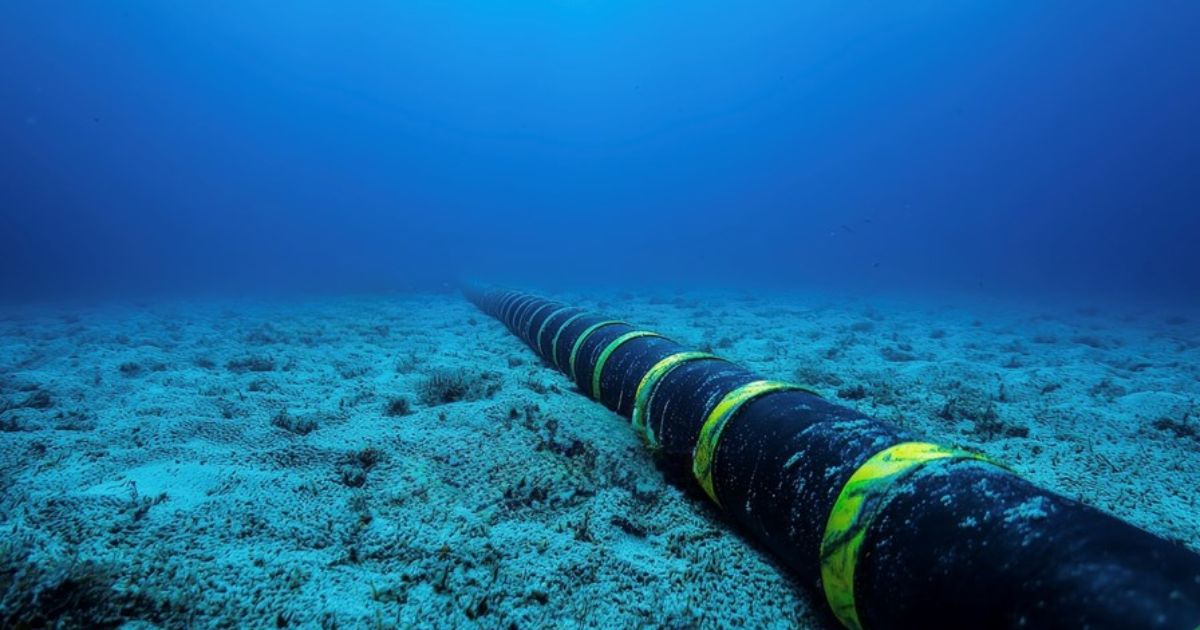
Undersea fiber-optic cables carry the majority of global internet traffic, including streaming, banking, and even military communications. Around 95 percent of intercontinental data flows through these cables, making them far more reliable than satellites. Microsoft noted that repairs to such subsea cables can take time, but engineers are continuously monitoring, rebalancing, and optimizing network routing to minimize disruptions.
Key Cables and Regional Impact
The slowdowns mainly touched the SMW4 (South East Asia-Middle East-Western Europe 4) cable operated by Tata Communications and the IMEWE (India-Middle East-Western Europe) cable operated by an Alcatel-Lucent-led consortium. Pakistan’s telecom administration and services such as UAE-based Etisalat confirmed the slowdowns, and customers in India were notified about potential connectivity problems during peak hours.
NetBlocks, an online monitoring organization, attributed the interference to such large Red Sea cable systems off the coast of Jeddah, Saudi Arabia. Although the reason is not certain, local tensions are a cause for concern. Yemen’s Houthi rebels, who have been responsible for attacks on more than 100 vessels since late 2023, have been accused before of attacking undersea infrastructure, though they have denied so.
ALSO READ: Ex-WhatsApp Security Head Sues Meta, Were Billions Of Users Put At Risk?
How Undersea Cables Are Laid and Maintained
Undersea fiber-optic cables are very specialized infrastructure, usually installed and serviced by private firms and international consortiums. International operators such as SubCom, Alcatel Submarine Networks, and TE SubCom utilize specialized vessels to deploy cables over thousands of kilometers, skirting deep-sea dangers and sensitive regions. In India, various organizations like Tata Communications, Reliance Jio, Bharti Airtel, Sify Technologies, and BSNL have multiple landing stations in Mumbai, Chennai, Cochin, Tuticorin, and Trivandrum, linking the nation to Europe, the Middle East, Southeast Asia, and Africa.
Though internet companies are able to redirect traffic along other cables, these changes tend to cause slower speeds and patchy service, as experienced during this episode. Repairs to subsea cables, warns experts, may take weeks, and with the Red Sea’s strategic significance, the disruptions underscore the sensitivity of global internet networks.