
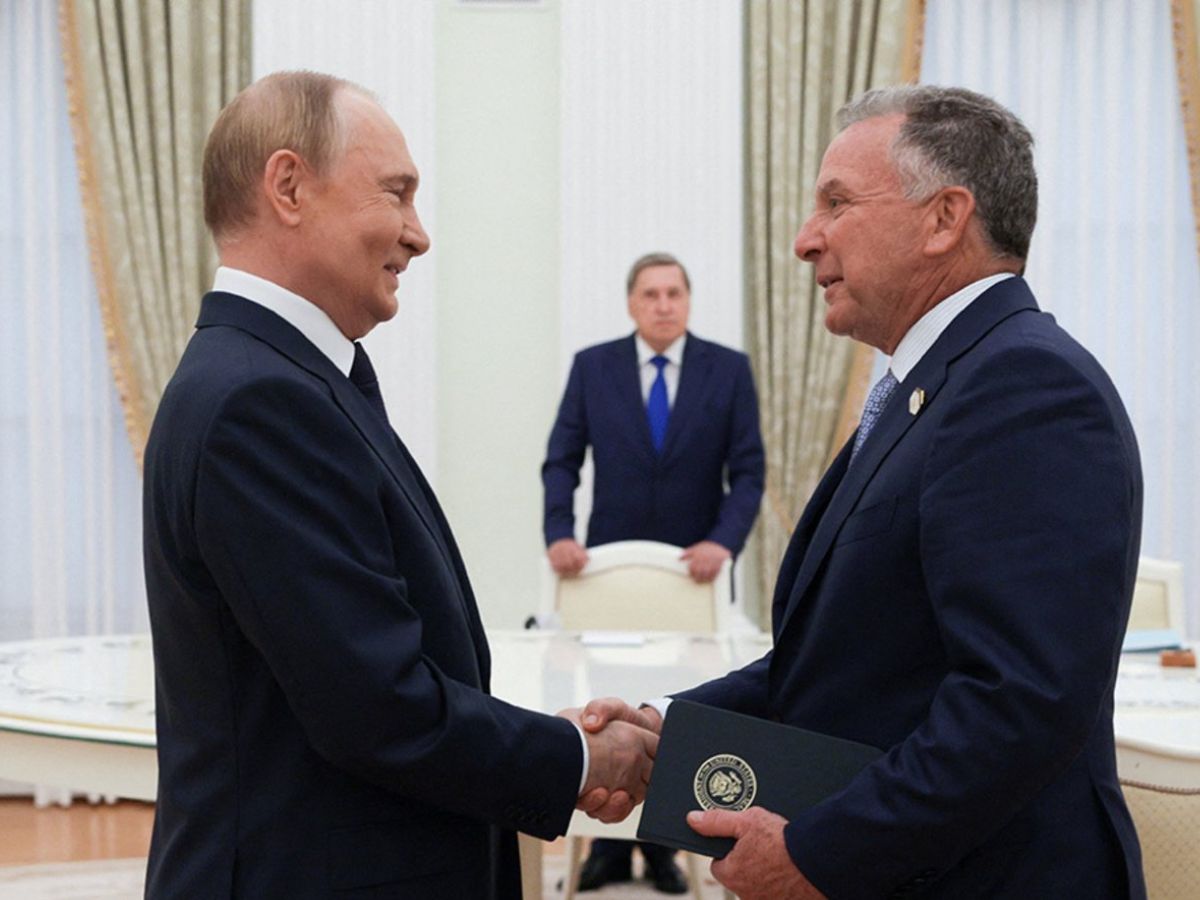
Russian President Vladimir Putin is set to meet U.S. special envoy Steve Witkoff in Moscow on Tuesday, shortly after the White House expressed that it was “very optimistic” about the possibility of reaching a peace agreement to end the Ukraine war.
Jared Kushner U.S. President Donald Trump’s son-in-law and an informal adviser on diplomatic matters is also expected to attend the talks. This meeting follows two days of discussions in Florida involving Ukrainian and U.S. officials, including Witkoff and Kushner. Those talks focused on refining a U.S.-supported peace proposal that many observers say has appeared more favourable to Russia.
Ukrainian President Volodymyr Zelensky described the Florida discussions as “constructive”, but admitted that “some tough issues that still have to be worked through” remain unresolved. Kremlin spokesperson Dmitry Peskov confirmed that Witkoff’s meeting with Putin is scheduled for the second half of Tuesday.
What Russia Says It Wants
Moscow hasn’t rejected the possibility of negotiations. Earlier this year, Putin suggested Russia might talk “without preconditions.”
But Kremlin officials have repeatedly said that any deal would have to meet Russia’s core demands, which include:
- Recognition of territorial gains since the war began
- A formal rejection of Ukraine’s membership in NATO
These conditions are likely to contradict Ukraine’s own non-negotiable positions.
Zelensky Stresses Sovereignty and Security Guarantees
Speaking in Paris after meeting French President Emmanuel Macron, Zelensky said Ukraine’s priorities in any peace deal include safeguarding national sovereignty and ensuring strong long-term security commitments from partners.
He noted that the “territorial issue is the most difficult” aspect of the negotiations. Russia is still insisting that Ukraine give up eastern territories currently under Kyiv’s control a demand Ukraine has consistently rejected.
Confusion Over Russian Claims of Capturing Key Towns
The Moscow meeting comes as Russia claimed on Tuesday that it had taken control of two strategic Ukrainian towns Pokrovsk (called Krasnoarmeysk by Russia) in eastern Ukraine and Vovchansk in the northeast.
Ukraine, however, has not confirmed losing either location. Independent open-source monitoring groups also reported that neither city appeared to be fully captured by Russian forces.
Andriy Kovalenko, head of Ukraine’s Centre for Countering Disinformation, suggested Russia’s latest battlefield claims were intended to shift pressure onto Ukraine during the peace negotiations. He said Moscow’s goal seems to be ensuring that all the compromises in the U.S. peace plan fall on Kyiv.
Russia has been trying to capture Pokrovsk for nearly 18 months. Over the weekend, the Kremlin released a video of Putin visiting a military command post, where he said Russia had made progress in “an important area, we all understand just how important”.
Witkoff Meets Key Leaders Before Moscow Visit
Before travelling to Moscow, Witkoff met UK Prime Minister Sir Keir Starmer, President Zelensky, and Ukraine’s new chief negotiator Rustem Umerov. Several European leaders also joined the Macron–Zelensky meeting virtually.
White House Press Secretary Karoline Leavitt said Monday that the draft peace deal has “been very much refined”, adding: “I think the administration feels very optimistic.”
She continued: “But as for the details, I will let the negotiators negotiate. But we do feel quite good, and we’re hopeful that this war can finally come to an end.”
Disagreements Over U.S. Peace Plan
Putin recently said he had reviewed the U.S. peace plan and that it could serve as the “basis” for a future agreement. However, Kremlin officials later signaled doubts after Ukraine and several European countries reported they had pushed for significant changes.
The original draft circulated in November caused alarm in Kyiv and across Europe. Critics said it heavily favoured Moscow’s conditions and even included instructions for how billions in frozen Russian assets held in European banks should be used. It also attempted to dictate how Ukraine could access European markets.
In Paris, Macron said there is “no finalised peace plan to speak of” at this stage. He stressed that any credible deal must involve Ukraine and European nations directly. Macron also emphasised that decisions on territory could “only be finalised by President Zelensky” and that issues around frozen assets, European security guarantees, and Ukraine’s EU path must involve the continent’s governments.
He also praised the Trump administration’s efforts to seek an end to the conflict, which began in 2014 with Russia’s illegal annexation of Crimea and escalated in 2022 into a full-scale invasion.
Europe Warns Against Pressuring Kyiv
EU foreign policy chief Kaja Kallas warned that this week may be “pivotal”, but said Russia seems interested only in negotiating with parties willing to give it more than it already controls.
She added: “I’m afraid all the pressure will be put on the weaker side because that is the easier way to stop this war when Ukraine surrenders, but this is not in anybody’s interest.”
Territory and Security Guarantees To Be Discussed
While territory remains the biggest barrier to a peace agreement, security guarantees for Ukraine are also causing friction. Kyiv and its European partners want commitments possibly including NATO membership that would prevent future Russian attacks. Russia strongly opposes Ukraine joining NATO, and Trump has also said he does not support Ukrainian membership in the alliance.