Several Hindu pilgrims were turned away from Pakistan while joining a Sikh pilgrimage group crossing the Wagah-Attari border for the Guru Nanak Dev Ji birth anniversary. Pakistani officials reportedly told at least 14 of them that they could not travel with the Sikh ‘jatha’ because they were not Sikh.
Discrimination at the Border
A group of nearly 1,900 Sikh devotees travelled from India to Pakistan on Tuesday for the Parkash Purb of Guru Nanak. Among them, at least seven from Delhi and seven from Lucknow — all Hindus — were told by Pakistani officials, “You are Hindu, you cannot go with a Sikh jatha.”
Devotee Amar Chand and six family members travelled with the group and spent Pakistani currency on bus tickets, only to be stopped at the last moment. He claimed they paid about ₹95,000 and did not get a refund.
Pilgrimage Details and Turnbacks
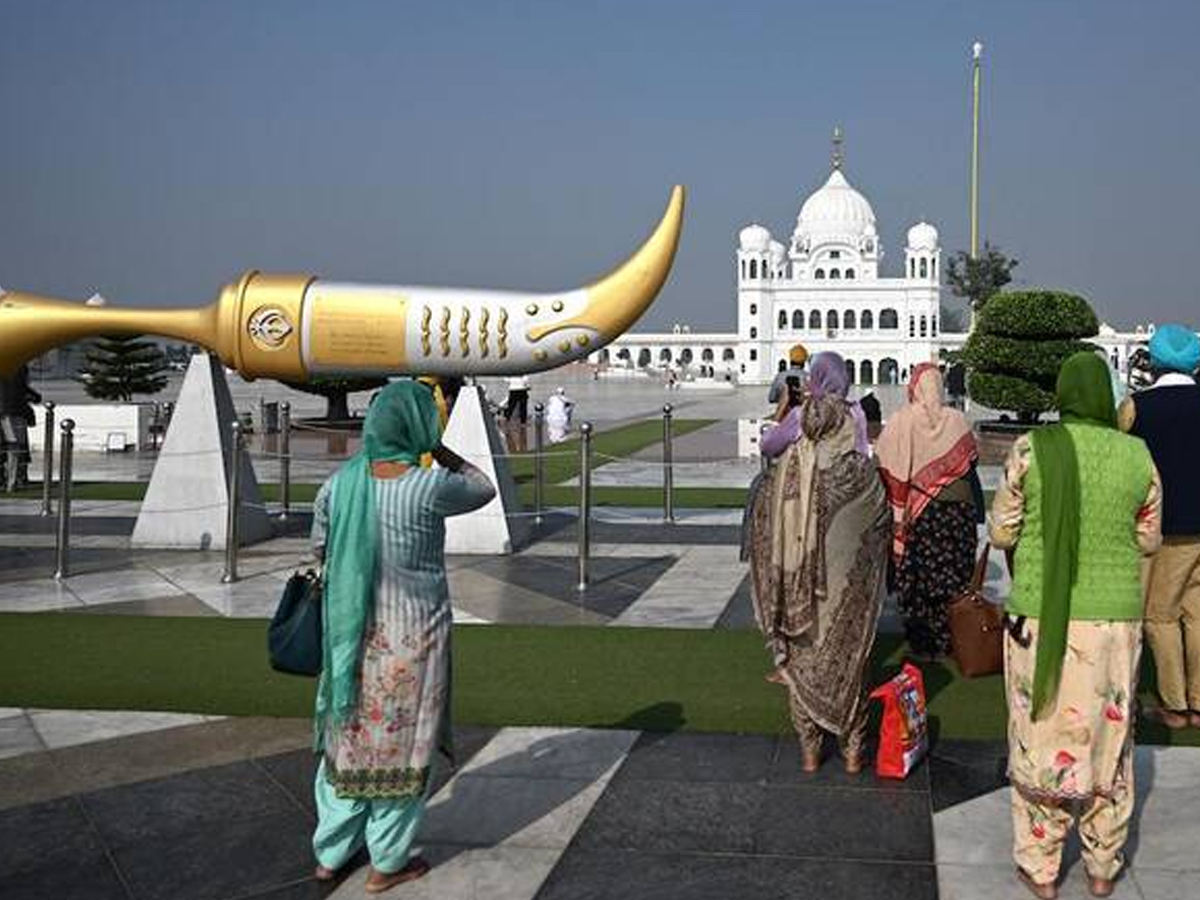
The Sikh jatha crossed into Pakistan for a 10-day visit from November 4 to 13, visiting key gurdwaras such as Gurdwara Nankana Sahib, Gurdwara Panja Sahib, Gurdwara Sacha Sauda and Gurdwara Darbar Sahib in Kartarpur.
On the Indian side, about 300 applicants were blocked because they lacked the needed Home Ministry approvals.
India’s Response and Diplomatic Fallout
Indian authorities condemned the move as discriminatory. Officials pointed out that the pilgrims had valid visas and completed formalities yet were singled out for their religion. An intelligence officer called the incident “unprecedented” and warned of similar actions in future pilgrim visits.
What the Hindu Pilgrims Say
Amar Chand, a former Pakistani national who gained Indian citizenship in 2010, went with his family from Delhi. He says Pakistani officials asked the Hindu group to board a bus that ran the Sikh pilgrims — then asked them to disembark because they were not Sikh.
“We spent ₹95,000 … they told us you are Hindu, you cannot go with a Sikh jatha. Then they sent us back.”
What Happens Next?
While the Sikh jatha proceeds with its visits, the incident raises fresh questions about equal rights for pilgrims, cross-border religious travel and bilateral protocols. The Indian government might seek explanation or diplomatic action given the reported selective exclusion.