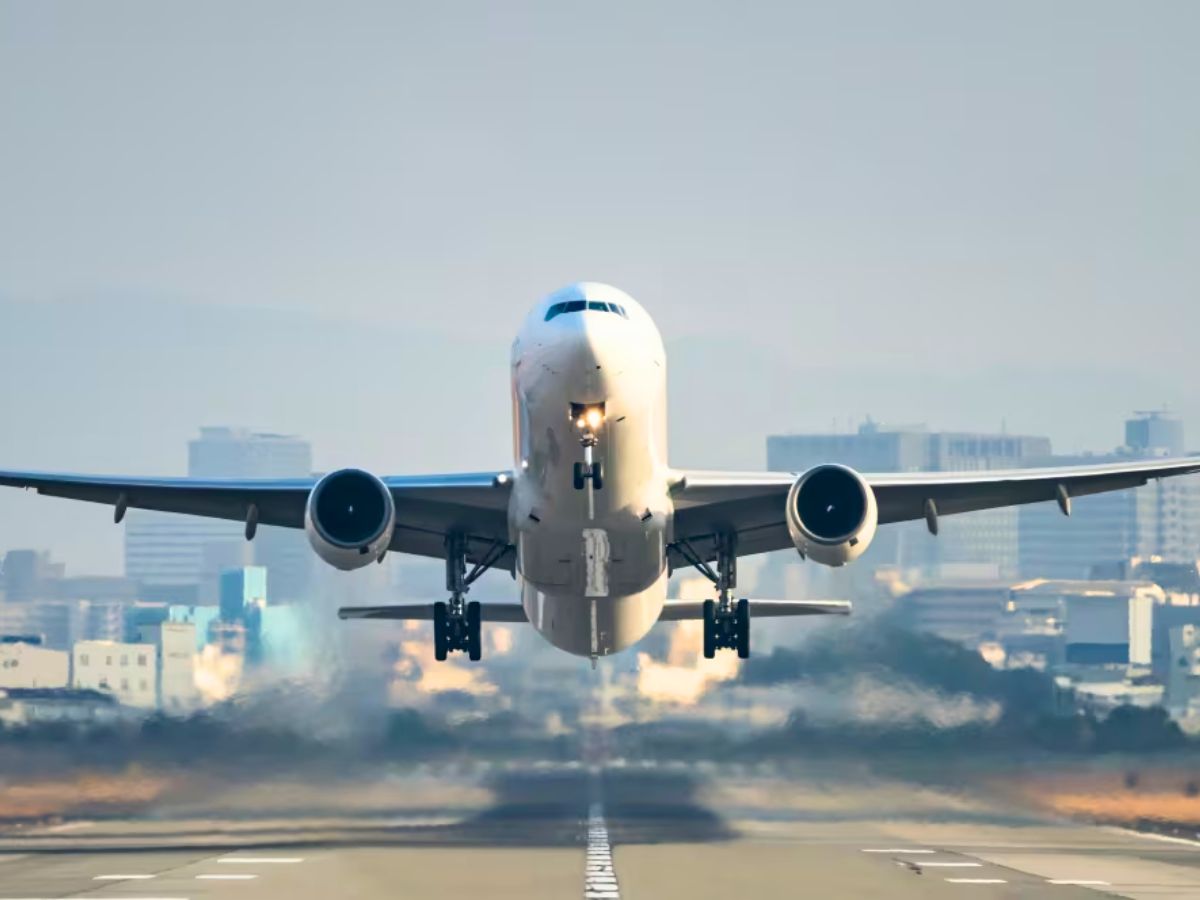
Pakistan will keep its airspace closed to all Indian civilian and military planes until September 23. This is the fifth month in a row that Pakistan has imposed these restrictions. India launched Operation Sindoor on May 7 after a terrorist attack in Pahalgam on April 22 killed 26 people.
The Pakistan Airports Authority (PAA) issued a notice saying, “All aircraft operated by Indian airlines will not be allowed to use Pakistani airspace. The ban also remains in place for military and civilian aircraft that are Indian-owned or leased.” Despite losing a lot of money, Pakistan has not lifted the ban.
Economic Losses Mount
The ban is causing serious damage to Pakistan’s economy. From April 24 to June 30, 2025, the PAA lost over Rs. 1,240 crore (PKR 4.1 billion), according to the Ministry of Defence. Experts say the longer the restrictions continue, the worse the financial impact will be.
ALSO READ: Asim Munir Claims India ‘Begged’ for Ceasefire and Trump’s Mediation
This is not the first time Pakistan has faced such losses. In 2019, a similar closure cost around Rs. 7.6 billion ($54 million). Analysts warn that repeated bans hurt Pakistan’s aviation sector, tourism, and international business, making the economy weaker.
Ignoring International Rules
Pakistan is ignoring and violating the norms of the International Civil Aviation Organization (ICAO)by maintaining the ban. The ban states that airspace restrictions can only be in effect for a maximum of one month.
International aviation authorities have the power to condemn Pakistan for this ban and damage its standing abroad.
Rising Tensions with India
Indo-Pak tensions have escalated as a result of the ban and in response, India blocked all Pakistani aircraft from using its airspace on April 30. According to experts, these tit-for-tat actions will further polarize the two nations and will harm both corporations and citizens.
ALSO READ: Pakistan Monsoon Havoc: 657 Dead, Nearly 1,000 Injured
Political Message Over Practicality
The decision seems more political than practical. Pakistan wants to show resistance to India, even at a high cost. Observers note that this move prioritizes political symbolism over trade and aviation revenue.
The airspace ban shows the tough balance between politics, security, and economics. Pakistan now faces a choice: continue the ban and lose more money, or open its airspace and ease tensions. The coming weeks will reveal the path chosen by Pakistan.
ALSO READ: ‘Protector of the Country’: Asim Munir Clarifies He Has No Plans for Politics