Political Rally Turns Fatal in Quetta
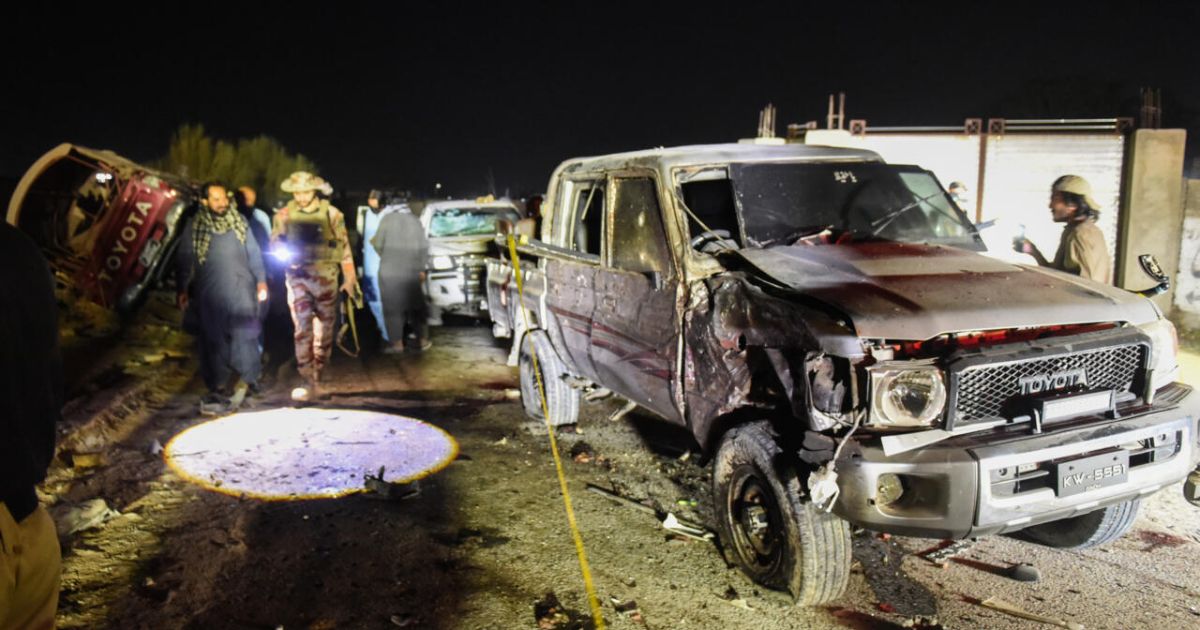
A political rally in Quetta, the capital city of Pakistan’s volatile Balochistan province, turned tragic when suicide bomber struck at participants as they were leaving on Tuesday night. The suicide bombing attack was claimed by the Islamic State (IS) group through its propaganda wing, killing at least 15 people and injuring dozens more, Balochistan interior minister Hamza Shafqat said. Officially, it was verified that the bomber utilized almost eight kilograms of explosive in the attack, which occurred near the parking area of a stadium where members of the Balochistan National Party (BNP) were gathered.
BNP president Akhtar Mengal, who had just spoken prior to the blast, later posted on X that he was unharmed but “terribly heartbroken at our workers’ loss.” IS also circulated a photo of the supposed attacker, face covered with a scarf.
Balochistan: A Province on Edge
Balochistan, bordering Iran and Afghanistan, is both Pakistan’s largest and richest province but remains its poorest, with almost 70 percent of its population living under the poverty level. The province has been experiencing insurgency for decades, caught between Baloch separatists seeking greater autonomy and Islamist movements such as IS conducting targeted attacks.
According to Islamabad’s Center for Research and Security Studies, 2024 saw a sharp escalation in bloodshed, with at least 782 fatalities across the province. This year has already recorded over 430 deaths in violence involving armed groups, most of them targeting security forces in Balochistan and neighbouring Khyber Pakhtunkhwa.
ALSO READ: Suicide Bombing in Quetta, Pakistan, Kills 11, Dozens Injured During Rally
A Wider Conflict Beyond the Rally
Although IS Baloch political activist attacks are infrequent, the organization has repeatedly bombed political institutions it views as apostate. On the same day that the Quetta rally blast occurred, five paramilitary soldiers were killed and another four wounded by a different roadside bomb in an Iranian border district.
Balochistan has also witnessed more and more audacious acts of separatism. In March, the Baloch Liberation Army took hundreds of people hostage on a train before a standoff ended with at least 31 fatalities.
The BNP, which runs on an agenda of economic investment and greater rights for the Baloch, has also frequently condemned development initiatives such as China’s Belt and Road-aligned infrastructure investments in the province, maintaining that the dividends go over the heads of locals to favour outsiders. Tuesday’s attack has now added a dark new page to Balochistan’s pattern of violence, further fuelling fears of more troubles in the months to come.