
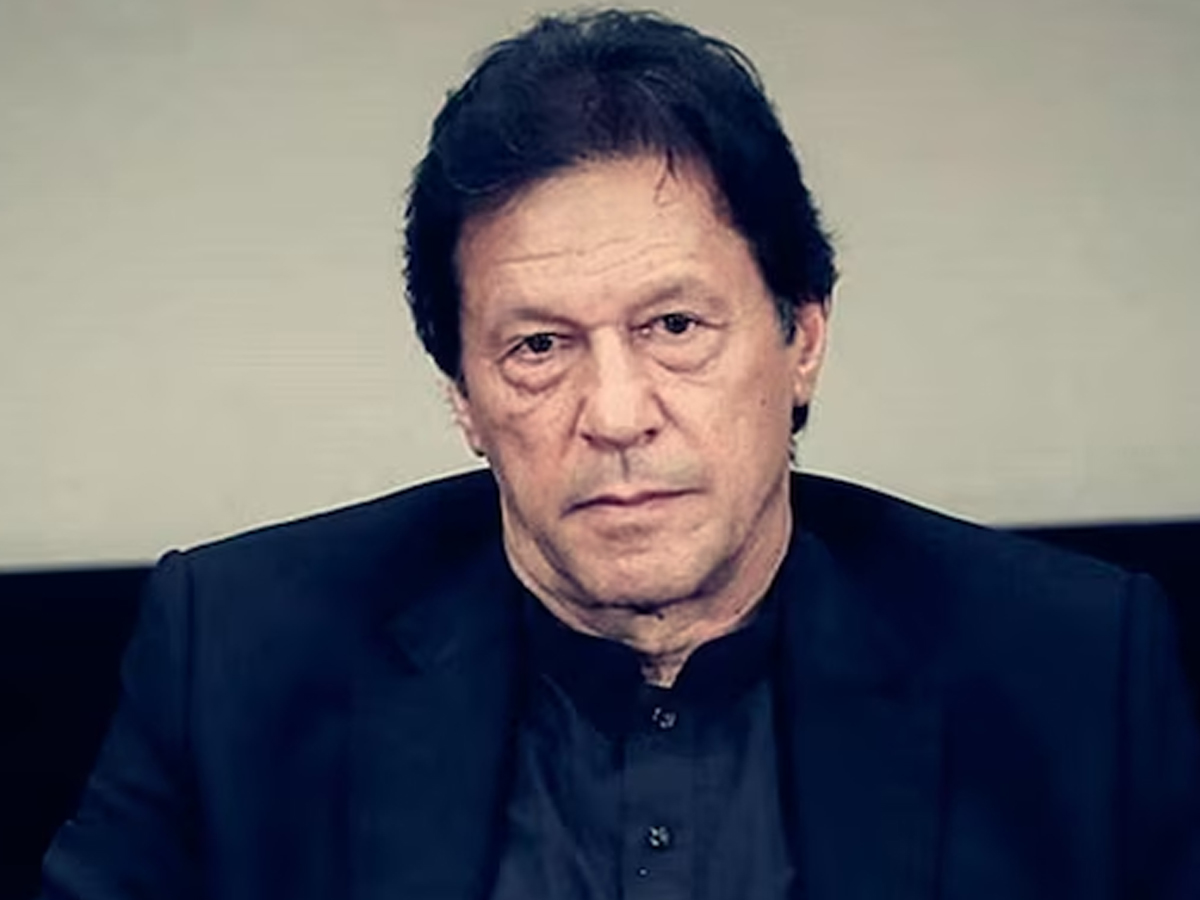
As unverified claims swarm social media about former Prime Minister Imran Khan’s health, Pakistani authorities and his party allies have stepped forward to reject them categorically. The latest allegations — circulated by some foreign media handles — claimed he was killed inside jail. But those claims remain unsubstantiated, and senior leaders say the speculation is part of a coordinated disinformation campaign.
What Sparked the Rumours About the Death of Imran Khan
This week, a media outlet based abroad published a post claiming that Imran Khan had been murdered inside the high-security Adiala Jail in Rawalpindi, and that his body had been moved.
The message spread fast online, stirring panic among supporters and prompting urgent demands for proof — including medical records or a credible photo. Many of Khan’s followers and opposition activists pushed the hashtag #WhereIsImranKhan on social media, amplifying fear and uncertainty.
At the same time, Khan’s family members and party workers reportedly faced repeated denials when they tried to visit him. His sisters — along with other close relatives — have said authorities refused them entry for weeks. Their inability to meet him added fuel to the growing speculation.
Jail Denies Death Rumours, Confirms Imran Khan Is Healthy
In response to the swirling rumours, the administration at Adiala Jail issued a statement asserting that Imran Khan remains in good health, receives regular medical care, and has not been moved elsewhere. Officials said the death and body-transfer claims are false and described them as “baseless and fabricated.” Independent fact-checkers also traced the viral photos used in some reports — claiming to be recent — back to older public events, further undermining their credibility.
Defence Minister and other senior voices echoed the jail’s position. They reaffirmed that Khan is alive and stable, dismissing the circulating rumours as part of a destructive misinformation campaign.
What Fawad Chaudhry Says — Misinformation, Not Truth
In a recent interview, former Information Minister Fawad Chaudhry — a close aide of Imran Khan — framed the rumours as a “tit-for-tat” move between media networks in Afghanistan and Pakistan. He said the misinformation originated after unfounded reports in Pakistan claimed that the Afghan Taliban leader had been assassinated.
“This rumour mongering was more of a tit-for-tat for news … So I think the Taliban are just trying to equalise that.”
Chaudhry added that the lack of recent photos or public appearances of Imran Khan feeds groundless speculation, “When you have such stupid strategies of banning meetings with an international leader, such rumours are bound to go through.”
He stated that jail authorities confirmed Khan was eating meals and doing regular exercise. He emphasized, “Imran Khan is so big in Pakistan that even his voice, his picture, is fearful for the present setup.”
PTI & Supporters Demand Transparency
Khan’s political party, Pakistan Tehreek-e-Insaf (PTI), has demanded an official, transparent statement from the government. The party called for immediate permission for Khan’s family members and legal team to meet him. They insisted the state must clarify his health status publicly, release updated photos or video proof, and hold those spreading “dangerous and sensitive rumours” accountable under the law.
Meanwhile, thousands of PTI workers have staged sit-ins outside Adiala Jail, pressing authorities for “proof of life.” The ongoing uncertainty has reignited public anger over jail secrecy and raised fresh questions about transparency in custodial detentions.
Why This Matters — Trust, Stability, and Public Perception
In the age of social media, a single unverified post can spiral into mass panic. When a prominent political leader is behind bars, limited visibility can fuel misinformation — and erode public trust in institutions.
The Imran Khan rumours highlight how fragile public confidence becomes when official access is restricted. For Pakistan, a clear and transparent communication strategy is key — especially amidst political turbulence.
If the state provides timely, credible proof of Khan’s condition, it may calm the unrest. But continued secrecy or delays may keep the rumours alive — and with it, public unease.