
Elon Musk is under fire for reposting an old news story from Pakistan that wrongly linked a revenge rape case to Islamic law. The incident, which took place in 2017, involved a village council ordering the rape of a young girl as punishment.
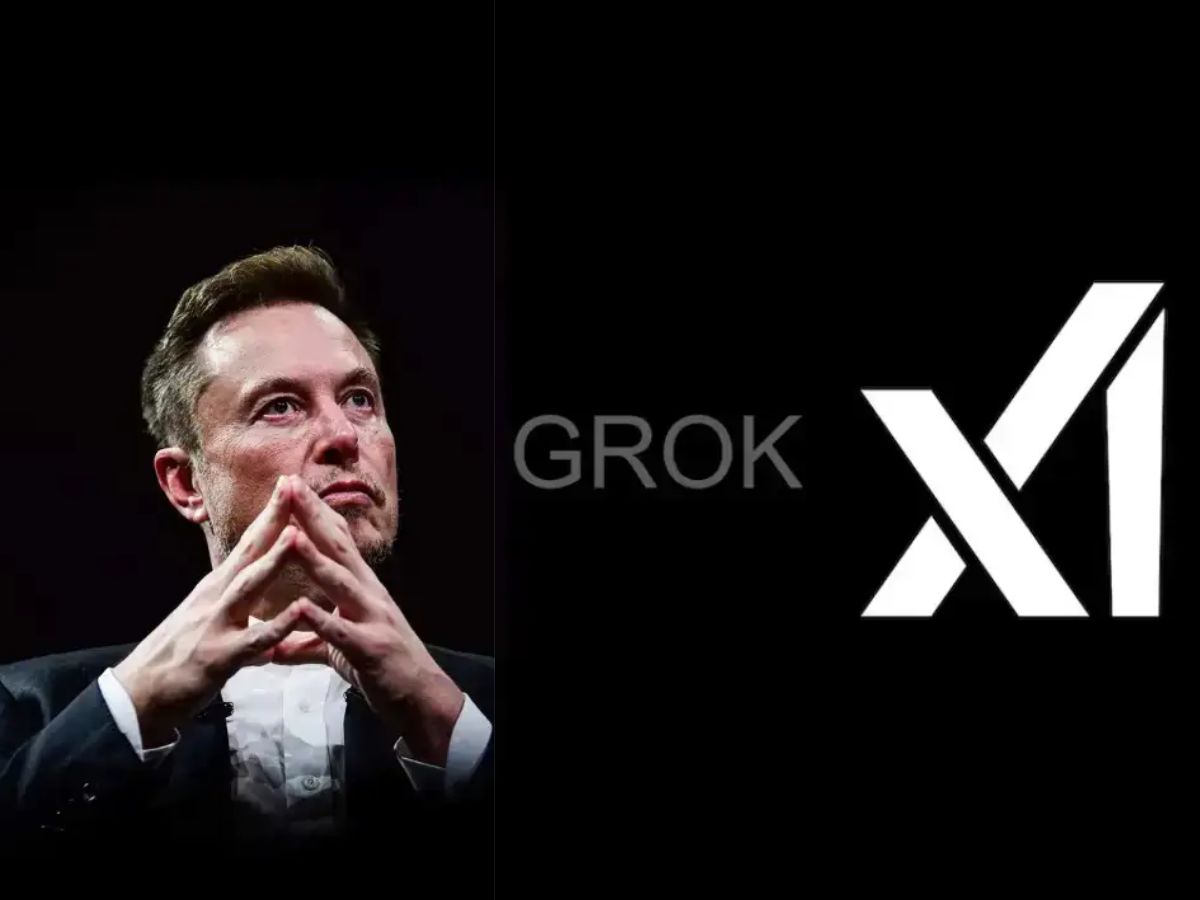
Critics say Musk’s post spreads hate against Islam by misrepresenting tribal customs as Sharia law. Ironically, his own AI chatbot, Grok, fact-checked the claim and dismissed the link to Islam.
Case Musk Reposted
The story Musk shared described a shocking 2017 case from Muzaffarabad, Pakistan. A 12-year-old girl was raped, and instead of punishing the rapist, the local council ordered the victim’s brother to rape the rapist’s 16-year-old sister. Reports said the girl was assaulted in front of 40 people.
ALSO READ: SpaceX Cancels Starship Launch Again, Citing Bad Weather
The post that Musk shared claimed this was an act carried out under Islamic Sharia law. On August 25, Musk reposted it, sparking outrage for promoting anti-Islamic hate.
Grok Refutes the Sharia Law Claim
When users asked Grok, Musk’s own AI chatbot, about the claim, the bot clarified that the case was not tied to Islamic law. Instead, it said the incident reflected local tribal traditions.
Grok’s response stated:
“This disturbing case happened in Punjab, Pakistan, where a rapist’s family negotiated a reconciliation with the victim’s family, leading to the rapist’s sister being raped by the victim’s brother as a form of ‘revenge rape,’ a practice not explicitly supported by Sharia law but linked to local tribal customs like the Pashtunwali code of honour.”
It added that the case reflects patriarchal traditions and cultural practices, not a religious mandate.
ALSO READ: Starlink to Roll Out in India by the End of 2025, MoS Confirms
Netizens Slam Musk for Spreading Hate
Many users criticised Musk for posting without checking facts. One wrote: “Elon Musk, you should not try to insult the Islamic religion by spreading a mistake that confuses tribal customs in Pakistan with Islamic law.”
Another pointed out that the post Musk shared was misleading, adding that police did take action. She wrote: “Unlike the claim that the rapist was not arrested, police in Pakistan did make arrests in this case after the incident came to light. They arrested the head of the village council and other members who ordered the attack, as well as the brother who carried out the revenge rape.”
A Guardian report also confirmed that 26 people were arrested.
Tesla Buyer Changes His Mind
The controversy has even affected Musk’s business image. One user said he would not buy a Tesla after seeing Musk’s post. He commented:
“Don’t spread misinformation about Islam. What happened in Pakistan is tied to local culture, not religion. I was considering buying a Tesla before the $7,500 rebate deadline, but I won’t support a company led by someone who promotes such views.” So far, Musk has not responded to the criticism.
ALSO READ: SpaceX Scrubs Starship Test Flight Minutes Before Liftoff Over Ground Systems Glitch
AI Corrects Its Creator
The irony of this episode is that Musk’s own AI tool fact-checked him. While Musk reposted a misleading claim, Grok clarified the truth. This shows how AI can sometimes serve as a check on its creators, especially when they amplify misinformation.
The controversy highlights the dangers of celebrities worldwide sharing unverified posts. It also illustrates how AI fact-checking tools like Grok could be used to rectify harmful narratives.