
A 5.2 magnitude earthquake hit northern Pakistan in the morning hour on Friday, according to a statement by the National Centre for Seismology, or NCS.
The epicenter of the seismic activity was at Latitude 36.12 and Longitude 71.51, approximately 138 km southeast of Fayzabad in Afghanistan, an area known for regular seismic activity due to its mountainous terrain.
The earthquake was recorded at a considerable depth of 135 km. Such significant depth could very well have mitigated surface impact.
Shallow earthquakes are generally far more dangerous than their deep counterparts, for seismic waves have a much shorter distance to travel to the surface, resulting in stronger ground shaking and higher risk of structural damage and casualties.
While a magnitude of 5.2 is not insignificant, its deep origin had to mean the loss of energy would turn out substantially by the time it reached inhabited parts.
Authorities are monitoring the situation, and more information on damages or casualties is expected.
Pakistan’s Geographical Location
The root of this frequent seismic activity is that Pakistan lies in one of the most seismically active regions of the world, where the Indian and Eurasian tectonic plates meet.
This collision zone makes the country, along with Afghanistan and northern India, highly prone to moderate-to-strong earthquakes.
These make the following provinces prone to natural hazards such as Balochistan, Khyber Pakhtunkhwa, and Gilgit-Baltistan lie on the southern edge of the Eurasian plate. Sindh and Punjab are positioned near the northwestern edge of the Indian plate.
Balochistan faces an additional threat from its closeness to the active boundary between the Arabian and Eurasian plates.
Pakistan Earthquake: The Shadow of Past Disaster
To understand the full extent of the seismic hazard, one has to revisit past destruction. The catastrophic magnitude 7.6 Kashmir earthquake on October 8, 2005, is part of the region’s history.
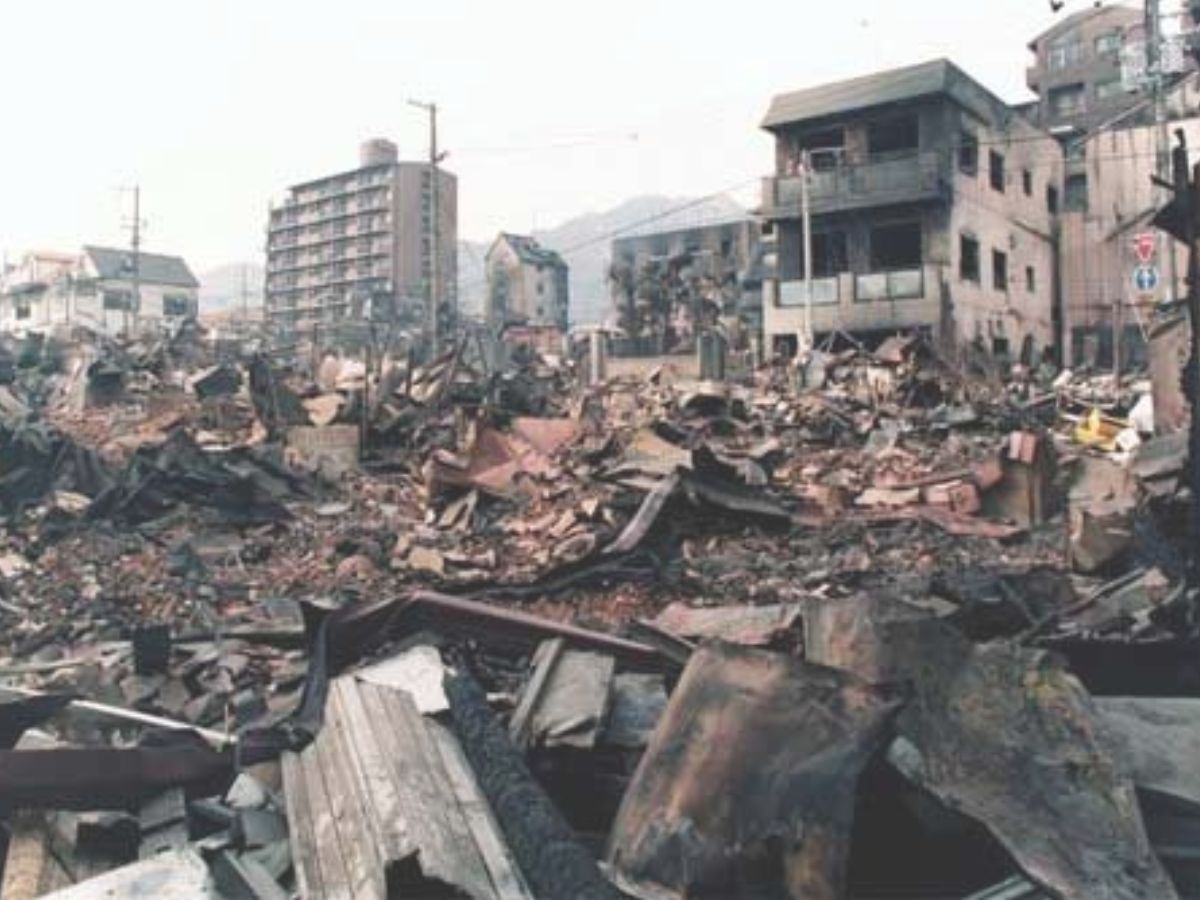
This shallow shaking produced widespread destruction, took an estimated 86,000 to 87,351 lives, and left millions homeless. Indeed, the impact of the 2005 quake, which practically razed towns like Balakot, underlines extreme regional susceptibility to shallow, high-magnitude events.
This Friday’s deep tremor has been a minor event in comparison, but it acts as a strong, sustained reminder of the geological forces at work and thus requires continuous preparedness and resilient infrastructure planning in Pakistan