
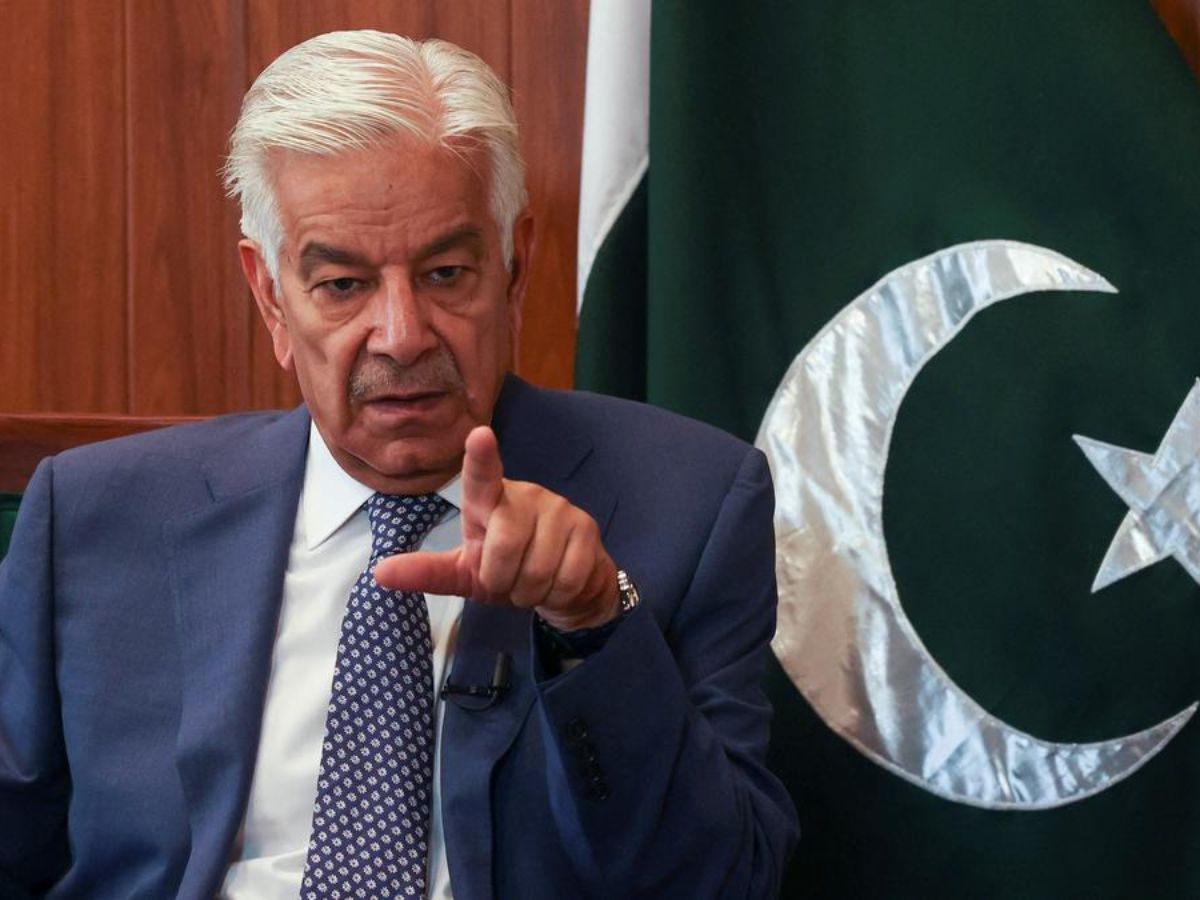
Pakistan Defence Minister Khawaja Asif has issued a strong warning about the possibility of an “all-out war” with India. He said Pakistan is on “full alert” as tensions continue to rise along the eastern and western borders.
Pakistan: Can’t Rule Out the Possibility of ‘ALL-OUT WAR’
Speaking to Samaa TV, Asif said Pakistan cannot trust India in the current environment. He said, “We are neither ignoring India nor trusting it under any circumstances. Based on my analysis, I cannot rule out an all-out war or any hostile strategy from India, including border incursions or attacks (presumably Afghan). We must stay fully alert.”
His comments came just days after India’s Army Chief, General Upendra Dwivedi, described Operation Sindoor as an “88-hour trailer”. The general said the Indian forces were ready to “teach them (Pakistan) how to behave responsibly with a neighbouring nation” if needed.
Tensions Grow After Deadly Attacks in India
This exchange of statements follows several violent incidents in India this year. On November 10, a car explosion in New Delhi killed 15 people. It was the second major attack after the strike in Pahalgam earlier in the year. Indian agencies are still investigating the links behind both attacks.
Asif has taken a more aggressive public stance in recent months. Earlier, he said Pakistan was ready to face challenges on both fronts. He told a media outlet, “We are ready; we are prepared to face both the eastern (India) and western (Afghanistan) borders. Allah helped us in round one, and He will help us in round two.” He added, “If they want the final round, we have no option but war.”
Pakistan–Afghanistan Tensions Add to Regional Strain
Asif’s warning also comes at a time of growing friction between Pakistan and the Taliban government in Afghanistan. Last month, heavy clashes broke out along the border, causing several casualties on both sides. Turkey and Qatar helped negotiate a ceasefire on October 19.
The crisis started when Pakistan demanded strong action against militants allegedly using Afghan territory to attack Pakistan. Islamabad later carried out cross-border airstrikes. The Taliban responded with force and denied Pakistan’s allegations. They said Afghan territory “is not being used to attack Pakistan” and that the Islamic Emirate “does not interfere in the internal affairs of other countries.”
Amid these tensions, Asif claimed India was influencing attacks from Afghanistan. According to Pakistani media, he said India was the main reason behind Pakistan’s strained ties with Kabul. Speaking to Geo News last month, he said, “I have my doubts that the ceasefire will hold, because the decisions of the [Afghan] Taliban are being sponsored by Delhi.” He added, “Right now, Kabul is fighting a proxy war for Delhi.”
Experts Warn of Dangerous Two-Front Narrative
International security analysts say Asif’s remarks reflect growing fears within Pakistan’s establishment about a potential two-front scenario. They warn that framing Afghanistan and India as linked threats could further destabilise the region.
Analysts also note that both India and Afghanistan have rejected Pakistan’s accusations, and escalating rhetoric could limit diplomatic options for all sides.