
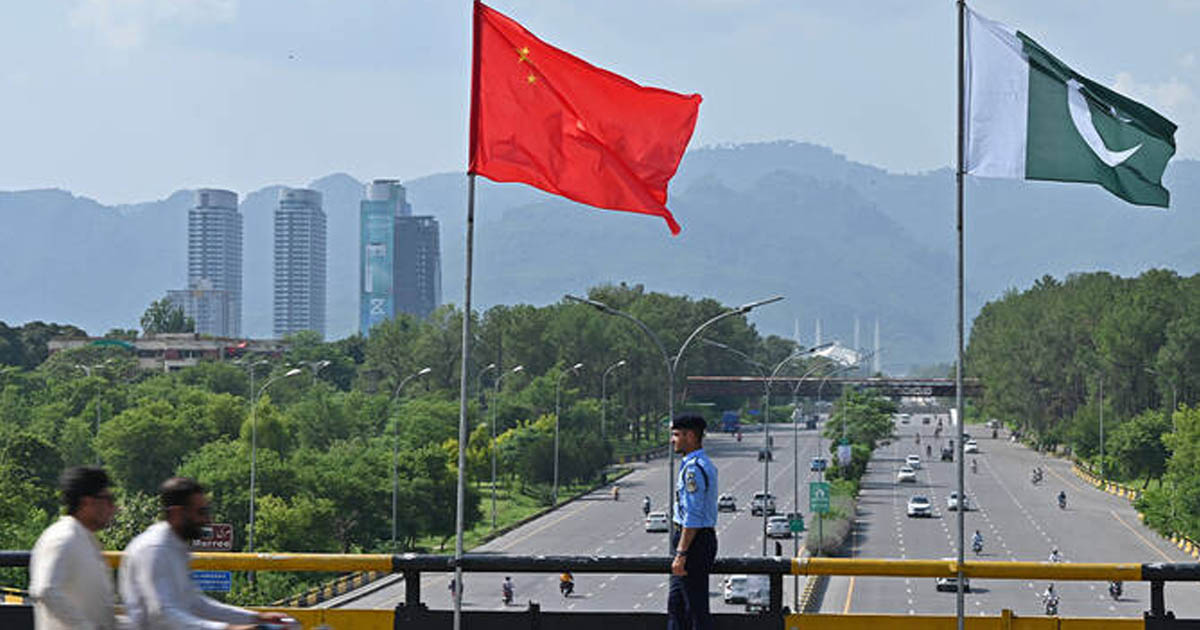
Bolstered by his diplomatic visit to Washington, D.C., Pakistan’s Army Chief General Asim Munir could have reasonably anticipated a welcoming reception in Beijing. What he received, however, was strong disapproval from Chinese authorities over Pakistan’s failure to obtain Chinese nationals and infrastructure investments through the China-Pakistan Economic Corridor (CPEC).
Chinese Foreign Minister Wang Yi, during a meeting with Munir on Thursday, made it apparent that Beijing is becoming more frustrated. “We hope that the Pakistani military will continue to make all-out efforts to ensure the safety of Chinese personnel, projects, and institutions in Pakistan,” Wang said, as quoted by China’s state-run Xinhua news agency.
Despite repeated assertions of the “iron-clad” and “all-weather” friendship between the two countries, the tone of the Chinese authorities during the visit made no room for any ambiguity about Beijing’s displeasure.
China’s Patience Wears Thin Over Growing Threats
In recent years, Pakistani militant groups, most notably the Baloch Liberation Army (BLA), have stepped up attacks on Chinese nationals and assets associated with CPEC. These consist of infrastructure schemes, personnel, and commercial enterprises that form a part of the Belt and Road Initiative (BRI), which is a flagship project of Chinese President Xi Jinping.
Beijing has again and again called on Islamabad to act against these elements, but Pakistan has not been able to stop such occurrences, and doubts have been raised about the efficiency of its security establishment. In most cases, Pakistan has even been unable to safeguard its own police and military men from such attacks.
Gwadar Port Project Still Underwhelming Despite Billions Invested
At the heart of China’s worry is the halted construction of the Gwadar port in Balochistan, which was long referred to as the “crown jewel” of CPEC. Billions of dollars have been invested in the port in the last ten years, yet there has been little progress in construction, marred by insecurity, resistance from locals, and infrastructure holdups.
This underperformance, combined with repeated violent incidents, has led Beijing to question the reliability of its closest ally in the region. Wang Yi’s remarks during Munir’s visit reflect a growing sense of urgency within the Chinese leadership regarding the fate of its projects in Pakistan.
While both sides continue to issue diplomatic affirmations, the message from Beijing was clear: action is now more important than rhetoric.