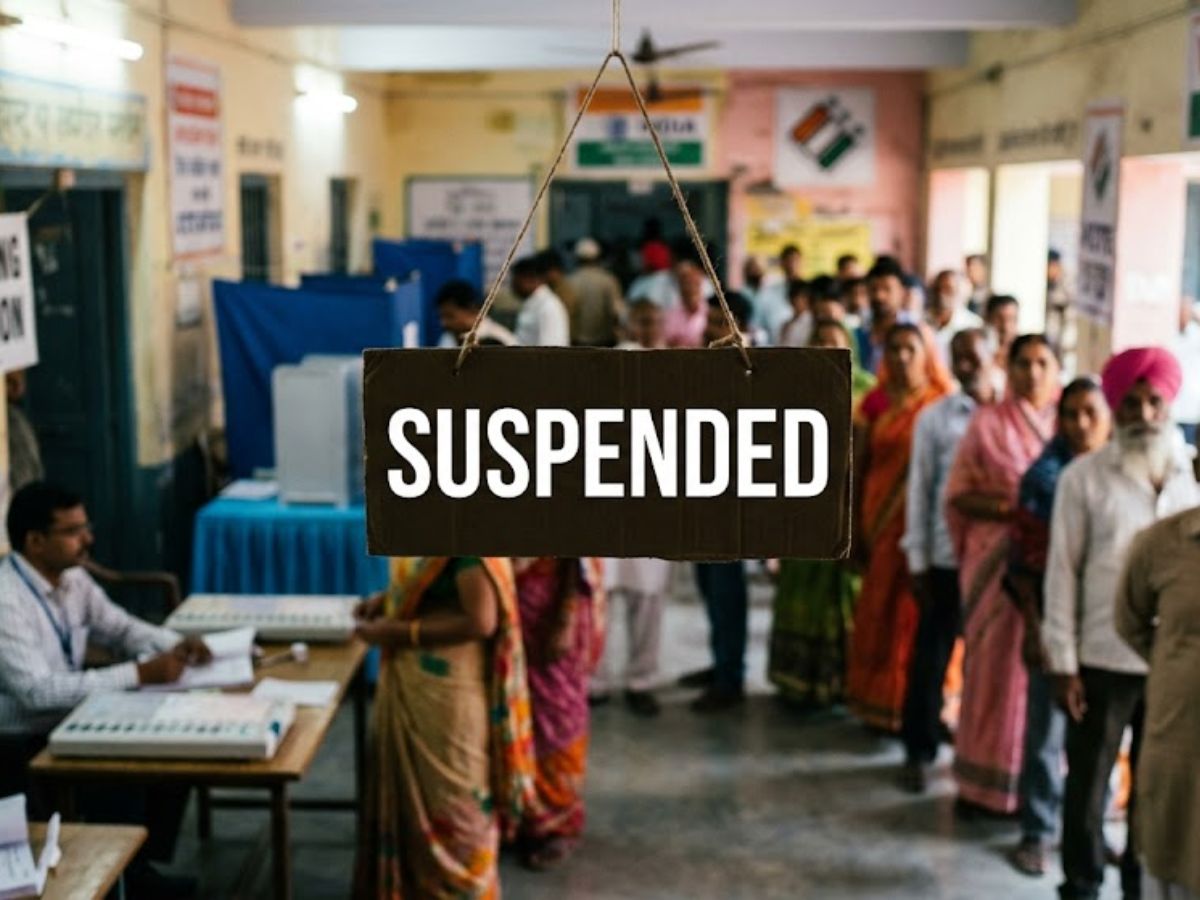
Internet Blackout to Interfere with Insurgent Communications
Pakistan authorities have blacked out mobile and internet services in major districts of Balochistan for three weeks with the aim of stemming rising attacks by separatist insurgents. The action comes after a suicide attack on a paramilitary convoy in Kech district killed at least three personnel and left dozens more injured.
The Pakistan Telecommunication Authority suspended mobile internet services in parts of the country including Kohlu, Chaman, Qila Abdullah, Pishin, Loralai, Ziarat, Qila Saifullah, Nushki, and Harnai. Provincial spokesman Shahid Rind justified the move as necessary since militants “use it for coordination and sharing information.” The blackout will continue until the end of the month within a larger security crackdown.
Baloch Insurgency Intensifies Amid Resource Disputes
Baloch separatists have been long asking for a larger portion of the revenue from the mineral resources of their rich province. The banned Baloch Liberation Army (BLA) has carried out most of the recent attacks and claimed this week’s suicide attack. The BLA has been responsible for almost 100 fatalities in Balochistan so far in 2024.
Earlier this year, the group carried out a fatal attack on a railway line, taking over 400 passengers hostage and killing 31 individuals, among them 23 soldiers. The insurgency has gone on for decades, with frequent attacks on Pakistani security forces and Chinese nationals involved in the Gwadar Port, a strategic development supported by China’s Belt and Road Initiative, with a £48 billion investment in the region.
ALSO READ: Gwadar’s $240 Million Airport Opens — Without Planes, Passengers or Local Jobs
Security Measures Tighten Amid Regional Concerns
Balochistan is Pakistan’s largest but least populated province, with around 15 million residents out of the country’s 240 million. The government’s internet suspension coincides with last month’s ban on road travel to neighbouring Iran, citing security risks.
Pakistan blames India for backing Baloch rebels to destabilize the country, which New Delhi has vehemently denied. The crackdown is to reassert authority over a province vital to Pakistan’s economic interests but beset by persistent instability.
With millions of cellphone subscribers impacted and security fears growing, the government has a tricky balancing act of upholding counterinsurgency action against the rights and daily routines of residents of Balochistan.