At least 30 people, including women and children, were killed in airstrikes by the Pakistani Air Force in Khyber Pakhtunkhwa on Monday. The attack has raised serious concerns about the rising number of civilian deaths in the region.
How the Attack Happened
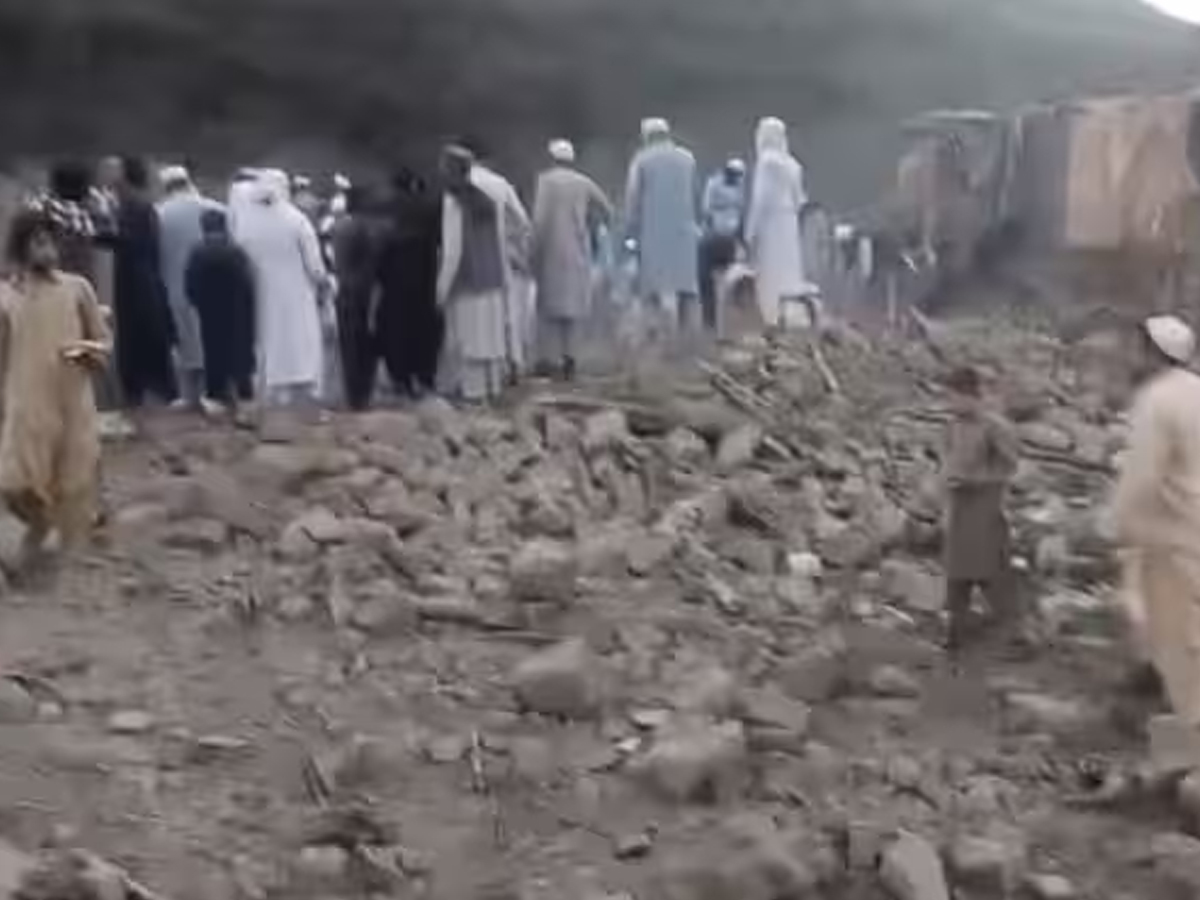
The strikes took place around 2 am in the Matre Dara village of the Tirah Valley. Fighter jets dropped at least eight LS-6 bombs on the area. The explosions destroyed homes and killed dozens of villagers.
Locals said all those who died were civilians. No militant presence was confirmed in the area. Videos and photos from the site showed disturbing scenes of children and adults lying in the rubble.
Rescue workers rushed to search for survivors and pull out bodies. Officials fear that the death toll could rise further.
Injuries and Rescue Efforts
Several people were injured in the attack. However, the exact number is still unknown. Medical teams have reached the village, but the limited healthcare facilities in the remote valley are slowing down treatment.
Civilian Casualties in the Region
This is not the first time civilians have died in Khyber Pakhtunkhwa due to air and drone strikes. The region has a long history of such incidents.
In June, Amnesty International criticised Pakistani authorities for failing to protect civilians. Isabelle Lassee, Amnesty’s Deputy Regional Director for South Asia, said:
“Pakistani authorities have failed to take action to protect the lives and property of civilians in Khyber Pakhtunkhwa who continue to pay the price of an escalating number of drone strikes in the province.”
Rising Violence in Khyber Pakhtunkhwa
According to police, the province recorded 605 terror-related incidents between January and August this year. At least 138 civilians and 79 police personnel were killed.
In August alone, there were 129 incidents. Six Pakistan Army and paramilitary Federal Constabulary personnel also lost their lives.
Terrorist Activity in the Area
After Pakistan carried out Operation Sindoor, destroying nine major terrorist hideouts across the country and in Pakistan-occupied Kashmir (PoK), militant groups shifted to Khyber Pakhtunkhwa.
Groups like Jaish-e-Mohammed (JeM) and Hizbul Mujahideen (HM) are now setting up bases in the province. Its mountains and border with Afghanistan give it natural cover. Many hideouts still exist from the Afghan-Soviet war in the 1980s and the U.S. invasion after 9/11.
A Region Under Fire
The latest strike shows the heavy human cost of Pakistan’s fight against terrorism. While the aim is to destroy militants, these operations continue to kill civilians. The tragedy has sparked new questions about accountability and protection for ordinary people in Khyber Pakhtunkhwa.