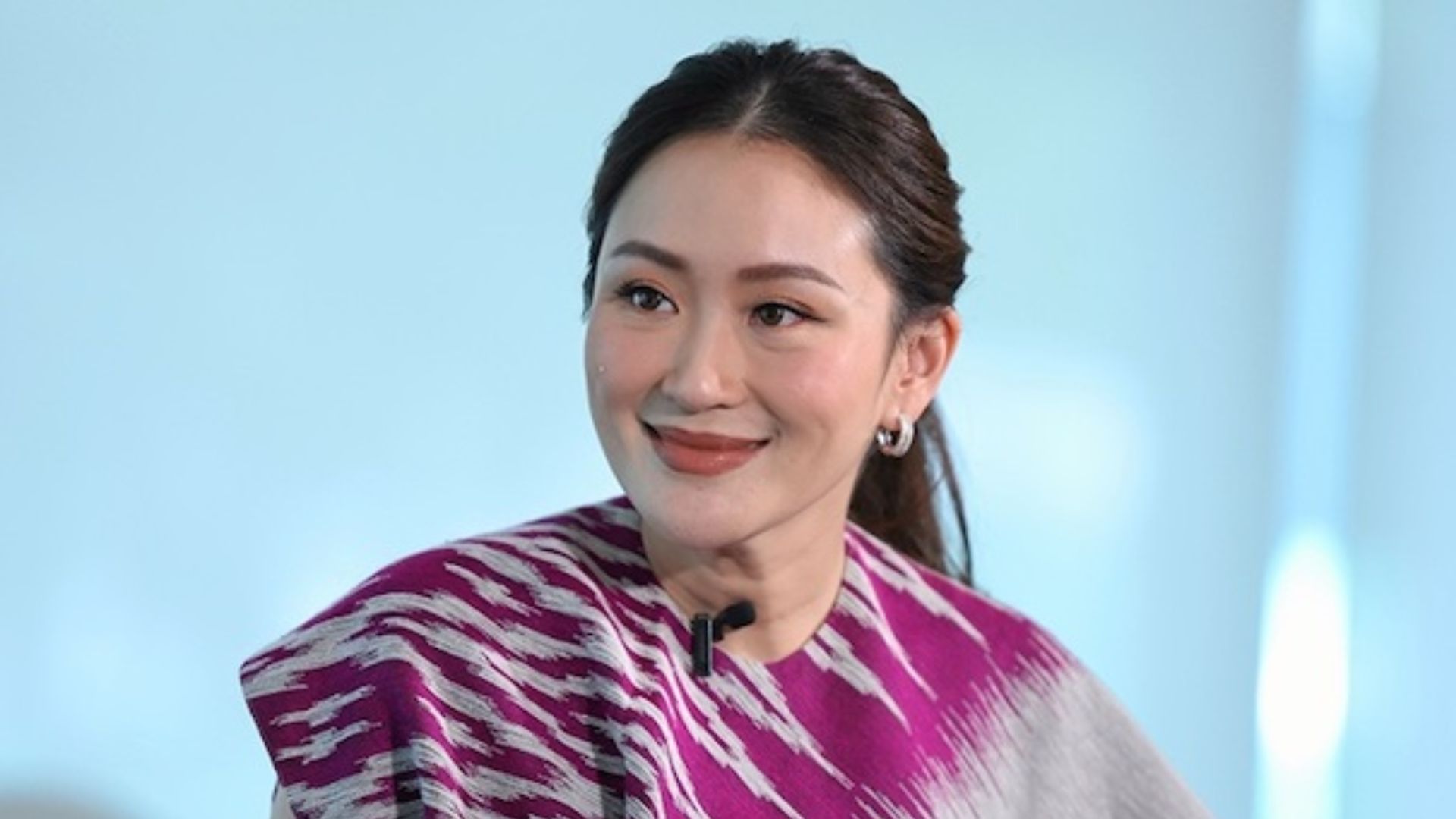
Suspended but not sidelined, Paetongtarn Shinawatra has, in just a few months of leadership, established herself as a key figure in Southeast Asian politics pragmatic, forward-thinking, and unshaken by the traditional noise of Thail’s power struggles.
Her early reforms focused on digital infrastructure, public health, and education drew praise from international observers. Far from symbolic gestures, these policies reflected a methodical agenda: make the Thai state more efficient, more inclusive, and more connected. She governed not with grand speeches, but with precision and purpose.
During her tenure as Prime Minister, Paetongtarn Shinawatra spearheaded a wide range of ambitious reforms that left a lasting mark on Thailand’s policy landscape. Her government launched the country’s largest-ever direct stimulus – a 10,000-baht digital wallet scheme benefiting nearly 50 million people – designed to boost household spending and accelerate digital inclusion. She also led bold debt relief initiatives, including interest waivers, loan restructuring, and even full forgiveness of minor debts, offering immediate financial relief to millions. Under her leadership, the government raised minimum wages, introduced targeted tax breaks, and unveiled long-term infrastructure plans to tackle flooding, air pollution, and mass transit affordability.
Her social policy was equally ambitious: she implemented a landmark citizenship reform granting legal status to stateless individuals, revitalized education programs for underprivileged youth, and rolled out a national housing plan offering 99-year leases to low-income families . As both Prime Minister and Culture Minister, she also launched Thailand’s first national soft power strategy, combining cultural diplomacy with grassroots upskilling, and positioning the creative economy as a pillar of future growth . Each of these reforms was both emblematic of her pragmatic leadership and demonstrative of her broader vision for an inclusive, forward-looking Thailand.
Her political style has often been compared, quietly, to that of Emmanuel Macron during his rise youthful, composed, and reform-driven. Yet unlike her Western counterparts, Paetongtarn carries the challenge of navigating a deeply fractured political terrain, marked by old rivalries and unpredictable actors.
One of them, former Cambodian leader Hun Sen, recently leaked a private conversation with her an act widely seen as an attempt to destabilize Thailand’s internal politics and weaken its regional standing. The fallout was immediate: her suspension in early July came as a shock, prompting concern both at home and abroad. Yet, the calculated nature of the attack only underscored her growing stature.
For many, her brief time at the helm has already redefined what political leadership can look like in Thailand. She reoriented the country’s soft power diplomacy, launching climate dialogues, cultural partnerships, and regional academic exchanges. Under her direction, Thailand began to reposition itself not as a battleground for superpowers, but as a bridge between them.
Diplomats in Tokyo, Paris, and Jakarta have quietly expressed admiration for her clarity of purpose and tone. Few leaders of her generation in Southeast Asia or beyond combine modernity and restraint with such ease.
Even suspended, she remains the gravitational center of Thai politics. Opinion polls continue to show high levels of public support. Within her party, no figure has emerged to take her place. And in the wider region, her name carries a credibility that time and adversity have only strengthened.