North Korean Labour is Moscow’s New Resource
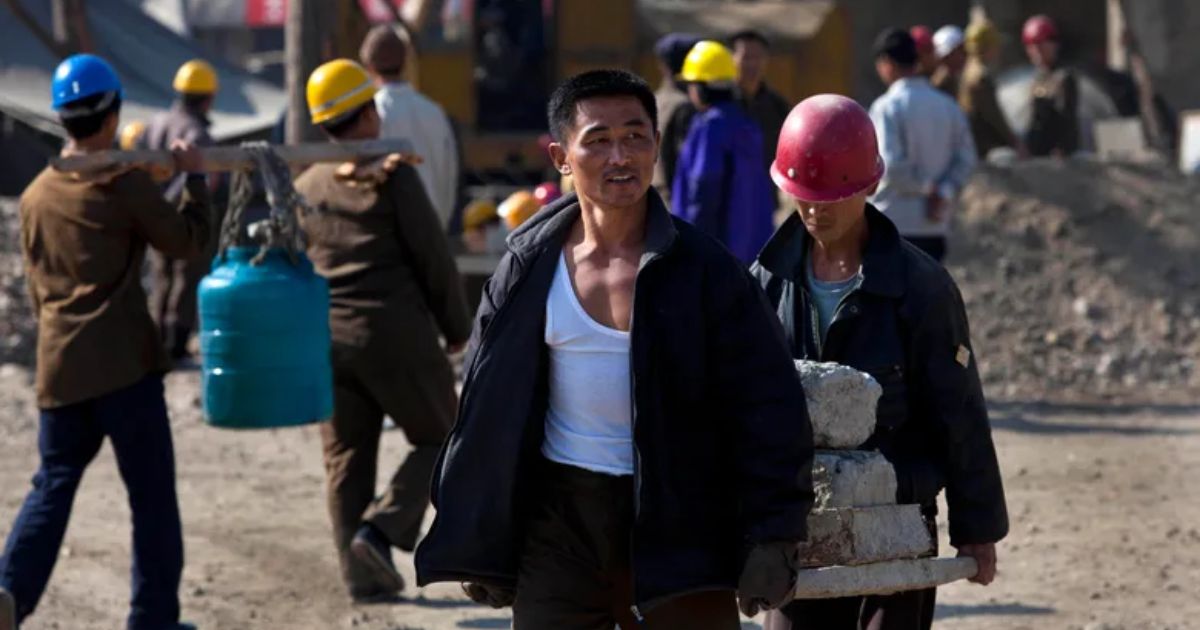
As the manpower is depleted by Russia’s war with Ukraine, the Kremlin is secretly resorting to a surprise source to shore up the gap North Korean labor. With battlefield casualties, mass mobilization, and post-invasion emigration of skilled workers, Moscow is bringing in thousands of North Koreans as construction, manufacturing, and technology workers. This is being done despite a 2019 United Nations embargo sought to isolate Pyongyang’s nuclear-weapons program by choking its revenue streams.
North Korea has already donated arms and ammunition to Moscow. But now, the contribution is also in terms of manpower. South Korean intelligence authorities indicate that as many as 50,000 North Korean labourers may soon be sent to Russia, much larger than the 5,000 construction labourers publicly spoken of by Putin’s security adviser Sergei Shoigu on a visit to Pyongyang in June.
Life Under Surveillance and Extreme Conditions
Testimonies collected by BBC News from defectors paint a dismal picture. The workers detail 18-hour workdays under close observation, receiving but a small fraction of salaries other foreign workers receive. The majority of their wages are taken by the North Korean state in the form of “loyalty fees,” and the rest about $100 to $200 a month is withheld until they go back home, a method used to deter flight.
One employee remembered coming to Russia’s Far East region only to be driven directly from the airport to a construction site by a North Korean security official, who intoned: “The outside world is our enemy.” Others mentioned waking every day in fear, aware that they would endure yet another day ofnon-stop labor. Sleeping on the job could result in beatings. Injuries went unnoticed, and conditions for living varied from cockroach-infested freight containers to half-finished apartments without heat.
Another defector explained the drudgery and fatigue: “Waking up was terrifying, realising you had to repeat the same day over again.” Factory workers typically worked shifts from 6 a.m. until 2 a.m., with just two days off annually.
ALSO READ: Kim Jong-Un’s Sister Rejects Seoul’s Outreach, Says Talks Are ‘Meaningless’
International Bans Ignored
The UN prohibition on employing North Korean workers was intended to strangle Pyongyang’s flow of foreign currency, as the regime has a history of routing foreign earnings into its nuclear program. However, Russia’s increasing dependence on North Korean workers is an indication of further integration between the two isolated nations.
North Korea has even sent troops to join Russian forces in pushing back at Ukrainian advances into border states such as Kursk oblast. Now, its economic assistance in the form of cheap, controlled labor is assisting in repairing Russian infrastructure destroyed by war.
South Korean authorities also report that monitoring of workers in Russia is now tighter since 2022, making escape a rarity. Defections from Russia in the last two years have fallen by half, indicating Pyongyang’s control over its foreign workers is getting tighter.
For those who have been able to escape, their stories bear out a harsh reality: the labor is exhausting, the wages are paltry, and the conditions border on appalling. But for Russia, this system provides a reliable source of labor at a time when both its military and economy are strained to their limits.