
Mexico rejects invasion speculation even as Trump issues military order
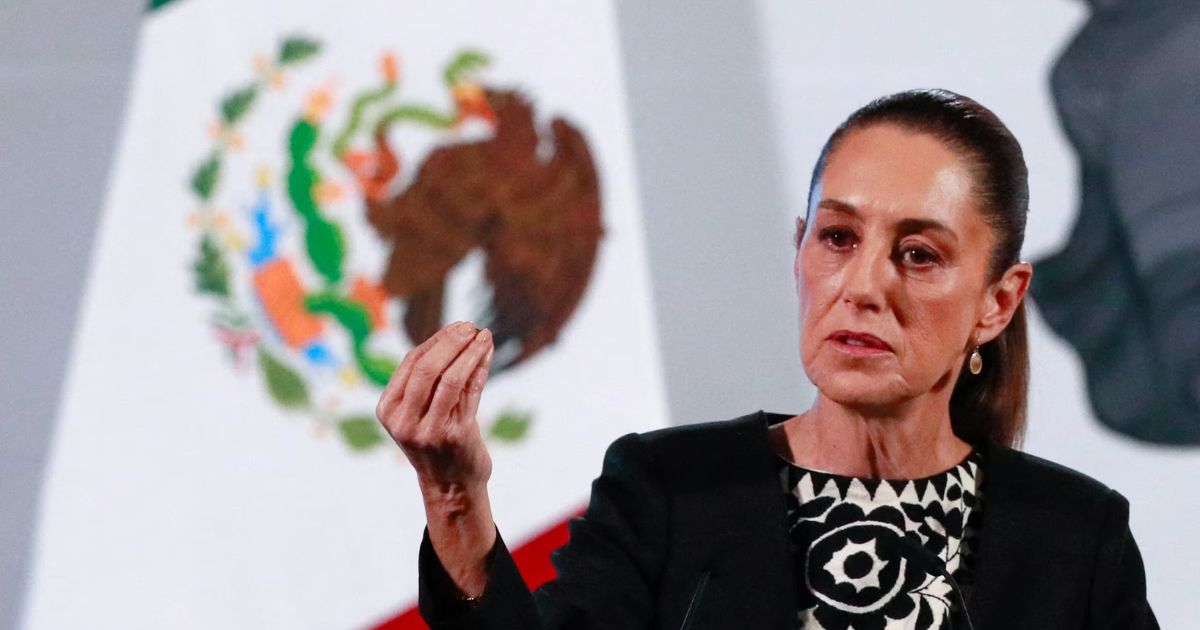
Mexico President Claudia Sheinbaum categorically dismissed any threat of a US military invasion after it was reported that her predecessor Donald Trump had ordered the military to act against drug cartels tagged as terrorist groups in Latin America. During her daily briefing, Sheinbaum insisted, “The United States is not going to come to Mexico with their military. We’re cooperating, we’re collaborating, but there will be no invasion. It’s off the table, absolutely off the table.” She also explained that her government had been notified of the executive order, but it did not include any kind of military presence in Mexican territory.
The Trump secret order, initially reported by US media, showed an extension of military authority to carry out operations overseas and on the high seas to target cartels. Secretary of State Marco Rubio framed the action as allowing the deployment of “American power” including the Department of Defense and intelligence agencies to treat such drug groups as armed terrorist organizations instead of criminal enterprises.
ALSO READ: Trump Delays Tariffs by a Week — India, Canada, & Mexico Are Still in Crosshairs?
Heightened US action against Latin American cartels
This military order follows up on Trump’s hardline policy towards Latin American drug smuggling, which has had several cartels labeled as foreign terrorist organizations earlier this year. The White House contended these organizations pose a national security threat of a far greater degree than common organized crime, given their penetration into Western Hemisphere governments.
Even with tools available to counteract these groups, including travel restrictions and economic sanctions, the new classification further expands legal authority to prosecute anyone providing “material support” to the cartels. Trump’s administration has also sent thousands of troops and surveillance technology to the US-Mexico border to block the importation of fentanyl and illegal immigration.
Jack Riley, the former DEA deputy administrator who participated in the capture of drug kingpin Joaquín “El Chapo” Guzman, embraced the military order as a “rational move” that would enhance international cooperation and funding. Riley warned legal challenges may occur in the US, citing Trump’s ignoring of congressional consent may elicit court cases.
Tensions escalate as Mexico threatens diplomatic repercussions
Mexican security analysts cautioned that the move jeopardizes US-Mexico relations and is potentially counterproductive in dismantling drug cartels. Cecilia Farfan-Mendez, director of a regional transnational crime observatory, characterized the action as “not a welcome development” and as a “misdiagnosis” of illegal markets.
The move comes as Mexico and the US are renegotiating tariff deals and a new security agreement. Mexico has historically been cooperative on security but has been a line-drawer when it comes to allowing US military boots on its territory. Farfan-Mendez cautioned the one-sided military move could stop cooperation, asking, “What’s the incentive to collaborate if the US will act unilaterally?”
The potential for direct US military intervention in Mexico brings new uncertainty into an already intricate and volatile relationship, underscoring the hurdles both countries face in trying to balance aggressive anti-cartel policies with diplomatic stability.