
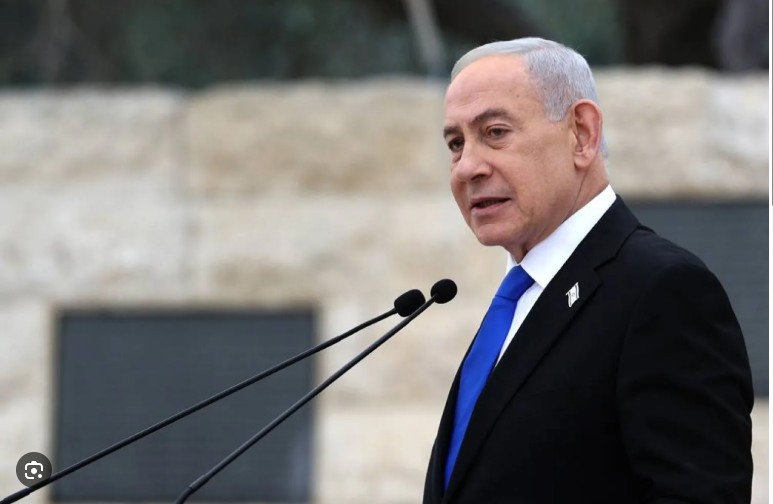
Jerusalem: Israeli Prime Minister Benjamin Netanyahu has remained in power for most of the past 17 years due in part to a tight alliance with ultra-Orthodox religious parties.
But that alliance is tearing apart his governing coalition and proving to be another major liability for the long-serving Israeli leader as the country heads to elections later this year. The Oct. 7, 2023, attack — and the inconclusive wars that have followed — are also weighing on him.
After 2 1/2 years of active fighting in multiple countries, much of it involving reservists, many Israelis are tired of a longstanding system that has allowed ultra-Orthodox men to skip military service. That anger has spread to Netanyahu’s own base.
The ultra-Orthodox are meanwhile furious at his failure to legalize their exemptions. They withdrew their support for the coalition two weeks ago, leading to an initial vote to dissolve parliament, known as the Knesset, on Wednesday.
That set in motion a process that could move elections up from October to September.
Deputy Foreign Minister Sharren Haskel, who served for three years in a combat unit and is a vocal supporter of Netanyahu, said she was among at least seven members of the coalition who will not support the draft bill, rendering it impassable.
“The ultra-Orthodox are trying to extort us. It’s immoral. It’s not fair,” said Haskel, who wore her military uniform at the dissolution vote on Wednesday to highlight her opposition and highlight her own service.
Two major ultra-Orthodox parties deserted Netanyahu earlier this month after he told them he did not expect to be able to pass the exemptions bill. That left his coalition without a parliamentary majority, and is one of the main reasons for the bill to dissolve the Knesset.