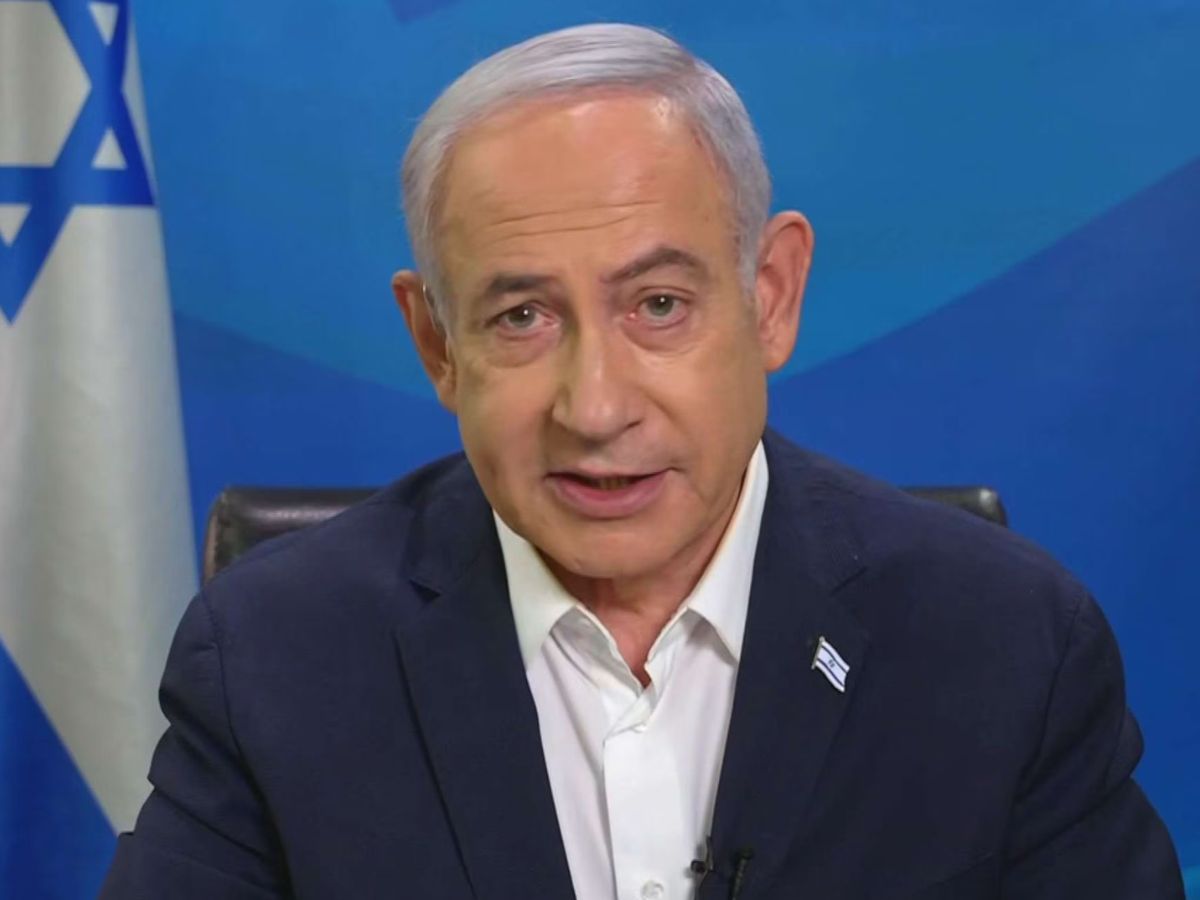
Israeli Prime Minister Benjamin Netanyahu said on Sunday that he expects the second phase of the US-backed Gaza ceasefire plan to start soon. He also announced that he will meet US President Donald Trump later this month.
The ceasefire, which began on October 10, paused the conflict that erupted after Hamas launched a deadly attack on Israel on October 7, 2023.
Hostage Releases Under Phase One
According to the agreement that took effect on October 10, Palestinian militants promised to release the remaining 47 living and deceased captives taken during the October 7 assault. All have been returned so far, except for the body of an Israeli police officer.
Next Stage Involves Disarming Hamas
The second stage of the ceasefire plan focuses on disarming Hamas, setting up a temporary governing authority and deploying an international force to stabilise Gaza.
After meeting German Chancellor Friedrich Merz in Jerusalem, Netanyahu said: “We very shortly expect to move into the second phase, which is more difficult.”
He also confirmed he would travel to Washington in December to meet Trump and discuss “opportunities for peace” in the Middle East. Netanyahu’s office said Trump extended the invitation during a phone call earlier in the week.
Germany Calls for Progress and Reaffirms Support
Merz, who became chancellor in May, has consistently criticised Israel’s heavy military response in Gaza, which has caused tens of thousands of Palestinian deaths, according to local authorities. The war began after Hamas killed 1,221 people—mostly civilians—during the October 2023 attack, based on an AFP count of Israeli figures.
Merz urged Israel to move ahead with the next steps of the ceasefire plan. He said Germany is sending humanitarian aid to Gaza and will help rebuild the territory.
He arrived in Israel on Saturday for his first visit since relations between the two countries became strained over the war. During the trip, he visited the Yad Vashem Holocaust memorial and reiterated Berlin’s long-held commitment to Israel.
“Germany must stand up for the existence and security of Israel,” he said, acknowledging Germany’s “enduring historical responsibility” for the Holocaust.
Merz: Criticism Allowed, Antisemitism Not
At the joint press conference, Merz said criticism of Israel is “possible and sometimes perhaps even necessary.” But he also cautioned that “criticism of the policies of the Israeli government must not be misused as a pretext for antisemitism.”
He also reaffirmed Germany’s support for a two-state solution.
In August, Germany had tightened controls on weapons that could be used in Gaza, but those restrictions were lifted after the ceasefire began.
More Deaths Reported Despite Truce
Despite the truce, local health officials say more than 360 Palestinians have been killed in Gaza, along with three Israeli soldiers.
No Discussion on Netanyahu’s Germany Visit
While Merz’s remarks were unusual for a German leader, they were still more restrained than many other international criticisms. He said on Sunday that he did not talk with Netanyahu about a possible visit to Germany.
Netanyahu currently faces an International Criminal Court (ICC) arrest warrant over alleged war crimes in Gaza. When asked about the possibility of travelling to Germany, Netanyahu said, “I am not going there because of an ICC decision.” Merz had previously promised to invite Netanyahu and said he would not be arrested in Germany.
Military Cooperation Remains Strong
Despite recent tensions, defence cooperation between Israel and Germany has continued. This week, Germany activated the first stage of the Israeli-designed Arrow missile defence system. The $4.5-billion agreement is said to be the largest arms export deal in Israel’s history.