
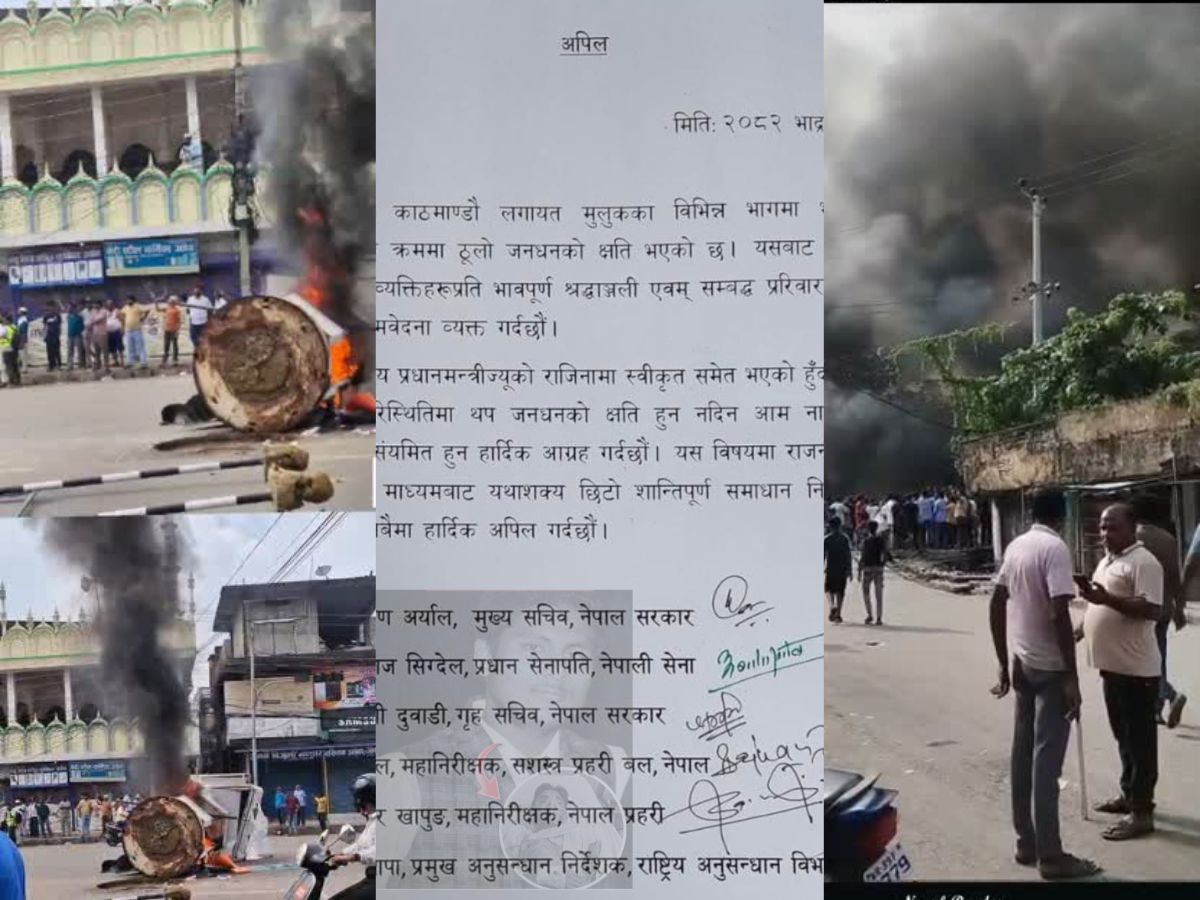
China’s ‘toolkit’ of influence in Nepal has increasingly come into view in the last ten years reportedly, with major infrastructure development projects and economic assistance. This strategic support, even as it advances development, further entrenches Nepal’s dependence and makes space for Chinese geopolitical influence. Exceeding economic factors, Chinese influence reaches into digital spaces and political intrusion, seeking to compromise Nepal’s sovereignty and internal security more than ever. The current crisis situation in Nepal and the chaos in the streets with many dead and PM Oli fleeing the country smells nothing different from the same Communist propaganda all the way from Beijing.
ALSO READ | Punjab Floods: Climatic Fluctuations Move Beyond Warnings
Nepotism, Corruption, and Mis-governance Fuel Public Anger
At the heart of Nepal’s unrest is mass public resentment against systemic corruption and nepotism. The government of Prime Minister KP Sharma Oli had been accused of perpetuating elite capture, in which wealth and power are concentrated in a small circle disproportionately benefiting the privileged few. The outrage against ‘Nepo Kids’ i.e. politicians’ pampered offspring represents larger grievances about inequality and misrule by the ruling class.
The Social Media Ban: A Cover for Deeper Issues
The sudden ban by the government on 26 popular social media apps sparked mass demonstrations, especially among Nepal’s youth. Purportedly a regulatory measure, the ban was seen as a ploy to silence dissent and control the narrative about increasing protests. The cyber crackdown served as a decoy, distracting from the causes of the worsening public frustration—corruption, nepotism, and poor governance—that fuelled the spreading anger.
ALSO READ | The Great Nicobar Project: Controversy and Everything to Know About
The Tragic Toll on Youth: India Sympathising with Lost Lives
It is reported in interviews from residents that the overbearing government reaction resulted in heartbreaking consequences with security forces opening fire on protest gatherings and killing 19 youth demonstrators. These youths and young adults, full of hopes and disappointments, sacrificed their lives for political mishaps. Their demise warrants a remorseful consideration of governance that holds dialogue above force and places high value on the safety of citizens, particularly vulnerable youth. Indian government has extended solidarity for the families of dead and injured.
The Wider Consequences of Chinese Influence and Mis-governance
The subtle attempts between international pressure from China’s expanding reach and internal mis-governance leaves Nepal at a junction. While China offers investment and development, it also threatens to deepen dependence and curtail democratic options. Combined with nepotism and corruption, this foreign influence fuels instability, calling for transparency and reform to secure Nepal’s future.
ALSO READ | Amid ‘US-Forced’ Sino-India Reset, Can Bharat trust China?
The Way Forward: Reform, Accountability, and Sovereignty
Condoling the lives lost during the protests involves confronting uncomfortable realities: disassembling deep-seated nepotism, eliminating corruption, and calling for responsible governance. It also involves critically examining foreign intervention to safeguard national sovereignty. Only through authentic reforms and democratic empowerment can Nepal achieve the hopes of its youth and construct a fair, stable society. Hopefully this ends soon with productive results and avoids the fate of Bangladesh or Afghanistan in the long run or else the country known for its brave-hearts may end up as a battleground for China and the USA.