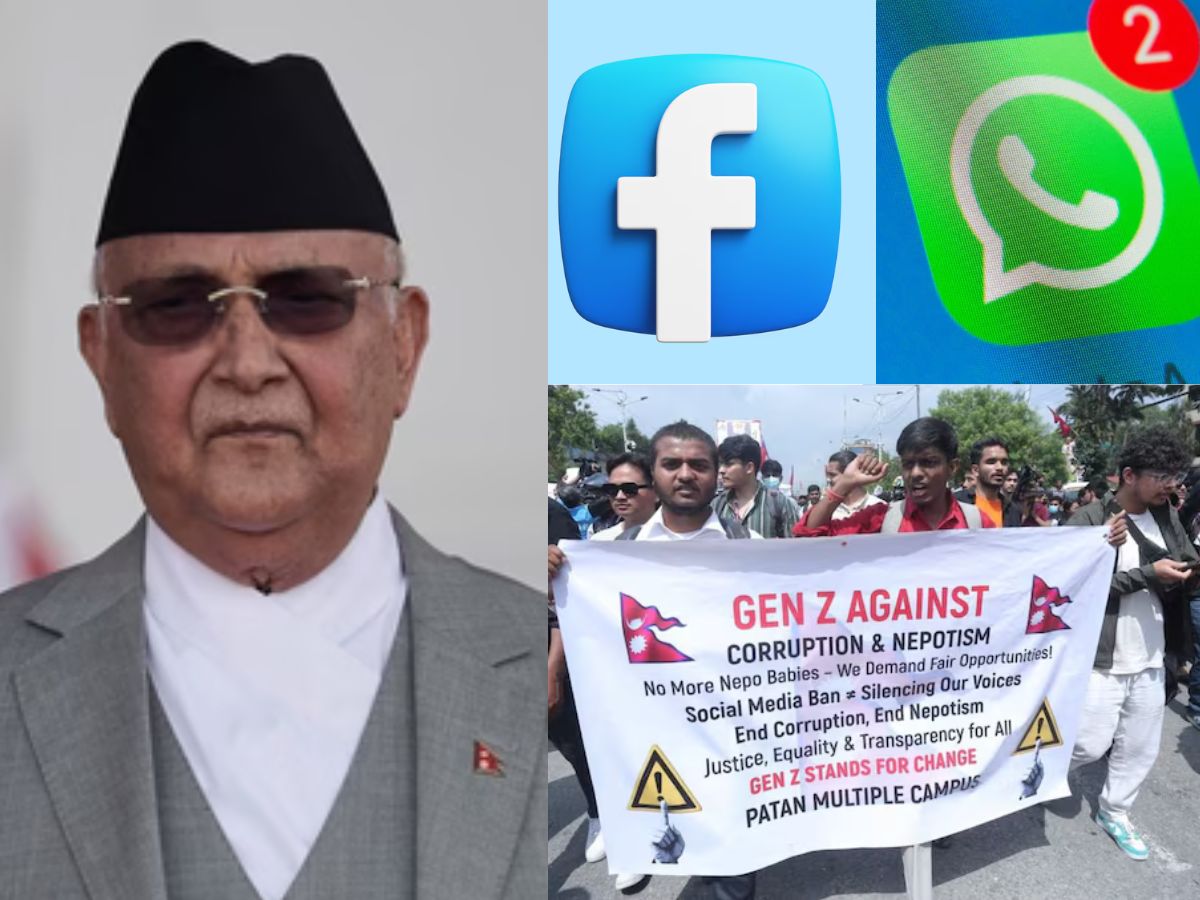
Nepal uplifted its ban of social media sites following nationwide protests that turned into violent clashes and resulted in 19 deaths and hundreds of injuries. The blockade covering 26 popular sites including Facebook, WhatsApp, Instagram, YouTube, and X, was imposed by the government of Nepal as a means to censor online content, eliminate misinformation, hate speech, and ensure compliance with new registration requirements. But the move backfired, igniting one of the biggest youth-generated protests the nation has seen in recent times, forcing the government to uplift the ban.
ALSO READ | Which Apps Are Still Working in Nepal After Ban? Know the Alternative Apps
Background on the Ban
The government of Nepal issued the ban following social media sites failing to comply with the strict new regulations that demanded that they register with the government, appoint a local grievance officer, and censor content highlighted as objectionable by the authorities. This directive was backed by Nepal’s Supreme Court, which directed that no social media platform be allowed to work in the nation without official registration. Failure by leading platforms prompted the government to block access, in an attempt to exercise digital sovereignty and address rising cybercrimes, misinformation, and scams spreading on such platforms.
Regardless of the government’s justification, the ban badly interfered with internet use throughout Nepal, impacting millions of people who depend on social media to communicate, do business, learn, and entertain themselves. Most saw the action as overbearing and a bid to quash freedom of expression.
Outbreak of Protests
The ban provoked instant criticism, especially from the youth of the nation, largely Generation Z, who mobilised to huge protests in Kathmandu and other urban centres. The protesters demanded the ban be lifted immediately and strongly called for an end to corruption in government, which they perceived as being interlinked with the restrictions. The riot slipped out of hand when portions of protesters crossed into the parliament grounds, triggering a police crackdown through the use of tear gas, water cannons, rubber bullets, and live rounds. The violence had a disastrous outcome of 19 killed and more than 300 wounded, with widespread criticism from opposition parties and human rights organisations.
Reversal by the Government
To counter the increasing pressure and bloodshed, Nepal’s Cabinet conducted an emergency meeting and declared withdrawal of the social media ban. Minister of Communications and Information Technology Prithvi Subba Gurung had confirmed that all blocked websites were back online and accessible again. The government rationalised the move as a give-in to the young protesters’ calls, citing the importance of political stability and peace while reaffirming its determination to address misinformation legally.
Check the list of the apps unbanned by the Nepal government:
- Facebook Messenger
- YouTube
- X (formerly Twitter)
- Snapchat
- Tumblr
- Discord
- Signal
- Threads
- Quora
- Mastodon
- Rumble
- MeWe
- VK (VKontakte)
- Line
- IMO
- Zalo
- Soul
- Hamro Patro
- Clubhouse
ALSO READ | Nepal’s Home Minister Quits as Deadly Protests Erupt Over Social Media Ban
Implications Hereon
The event revealed the conflict between government control of cyber spaces and citizens’ cyber rights in Nepal. Although the government stated sovereignty and enforcement of law as motives for the ban, critics blamed it for suppressing free speech and limiting democratic expression. The horrific loss of lives highlighted the deeper discontent among youth in Nepal regarding socio-political issues such as corruption and lack of opportunity.
In the future, Nepal has to balance good governance of social media with an open flow of information for its citizens. The swift lifting of the ban by the government indicates a response to public opinion, but continued dialogue and open policymaking will be necessary in order to prevent crises in the future.
ALSO READ | The Great Nicobar Project: Controversy and Everything to Know About
Overall, Nepal’s lifting of the social media ban was a pivotal point in the nation’s digital and political era, illustrating the influence of social media as both connection and protest mechanism for a young generation starved for change and accountability.