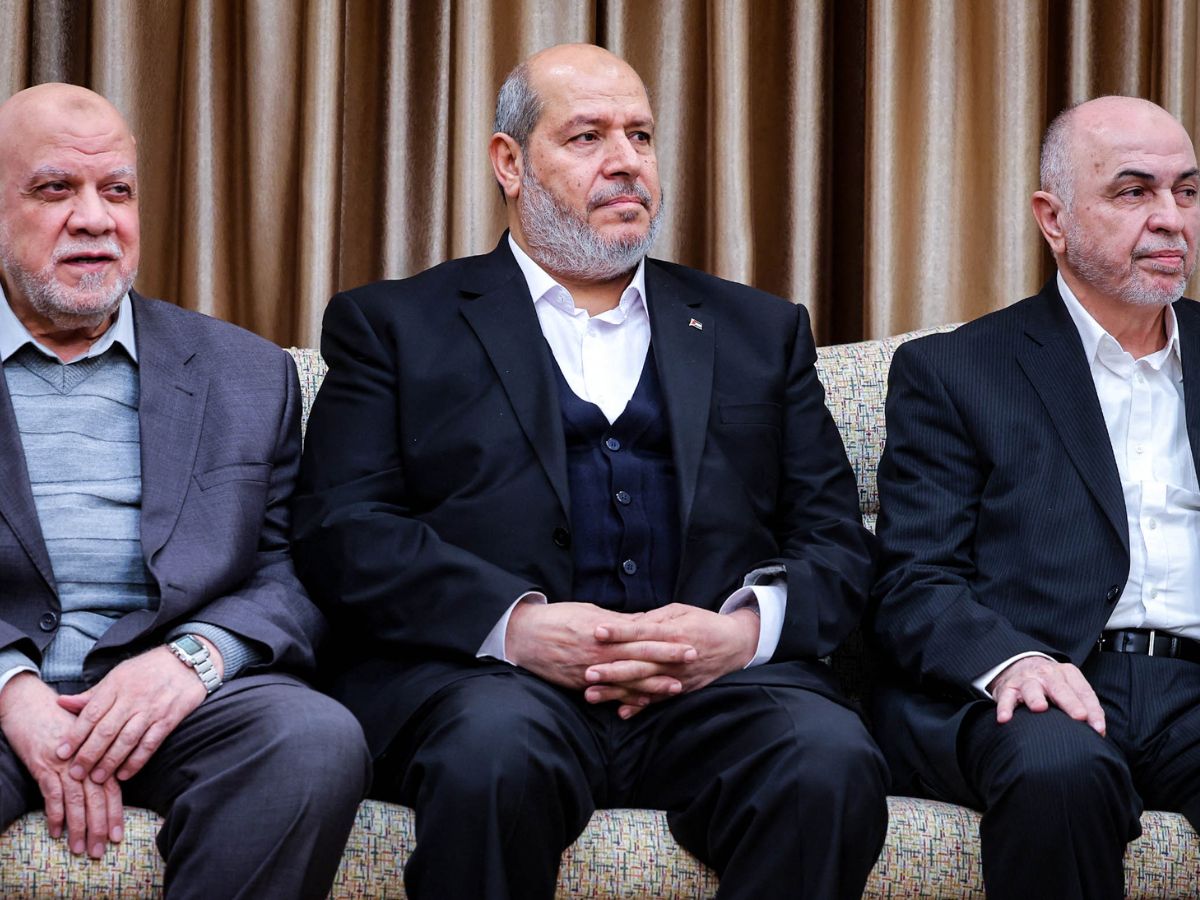
Delegations from Hamas and Israel started indirect talks in Egypt’s Sharm El-Sheikh on Monday, aiming to secure a Gaza ceasefire and a hostage-prisoner exchange. The negotiations are based on a peace proposal put forward by US President Donald Trump. Egyptian state-linked media reported that the talks are proceeding with tight security, with both sides communicating solely through Egyptian and Qatari mediators.
What Are These Talks Actually About?
The core objective of these negotiations is to establish a temporary truce and facilitate a swap. Hamas would release Israeli hostages it has held since its October 7th attack, and Israel would release a number of Palestinian prisoners. According to Al-Qahera News, which has links to Egyptian state intelligence, the delegations are currently “discussing preparing ground conditions for the release of detainees and prisoners.” This expression emphasizes the great mistrust between the two sides by implying that the first priority is on logistical and security requirements before any real conversation can take place.
The US Proposal and Its Major Hurdles
The current talks follow a meeting last week between President Trump and Israeli Prime Minister Benjamin Netanyahu at the White House. During that visit, Netanyahu agreed in principle to a 20-point peace plan proposed by the US president. But the details are where the trouble lies. Although the general ideas of a ceasefire and prisoner exchange have been well received by all parties, there are still many obstacles to overcome. Trump’s demand that Hamas disarm itself is a major issue of dispute because it is a condition that the terrorist group is unlikely to accept and could potentially sabotage the entire process.
Who is at the Table and How Does it Work?
In a reflection of the deep hostilities, the Israeli and Hamas negotiators are not meeting face-to-face. The discussions are being held indirectly, with Egyptian and Qatari officials shuttling between the separate delegations. This method, conducted behind closed doors, is a standard but complex way of facilitating dialogue between sworn enemies. The security is exceptionally tight, especially after Israel’s recent attempt to assassinate Hamas’s top negotiators in a strike on Doha, Qatar, which casts a long shadow over the current proceedings.
Can These Negotiations Actually End the War?
The key question is whether these talks can lead to a lasting end to the war in Gaza. The short-term goals are a ceasefire and a hostage arrangement, but a durable settlement is hampered by numerous obstacles. According to reports, Hamas is looking for concrete assurances that Israel will remove its forces from Gaza if the prisoners are released. President Trump has cautioned Hamas from pursuing any kind of future involvement in Palestine’s governance. These conflicting long-term objectives make a comprehensive agreement incredibly difficult to achieve in a single round of talks.
Also Read: Who Won Mister Global 2025? Spain’s Alejandro Ortega Crowned in Bangkok
Ongoing Violence Amid Diplomatic Efforts
Even as diplomats talk, the violence on the ground continues.
Israeli strikes continued in Gaza on the same day as the discussions started. Israeli attacks continued in Gaza on the day the talks started. The most recent bombardments killed at least seven Palestinians, according to reports. This ongoing conflict highlights how brittle the diplomatic process is and how much pressure mediators are under to achieve a concrete outcome before the window of opportunity expires.
Disclaimer: This report is based on information from official statements and international news agency reports.