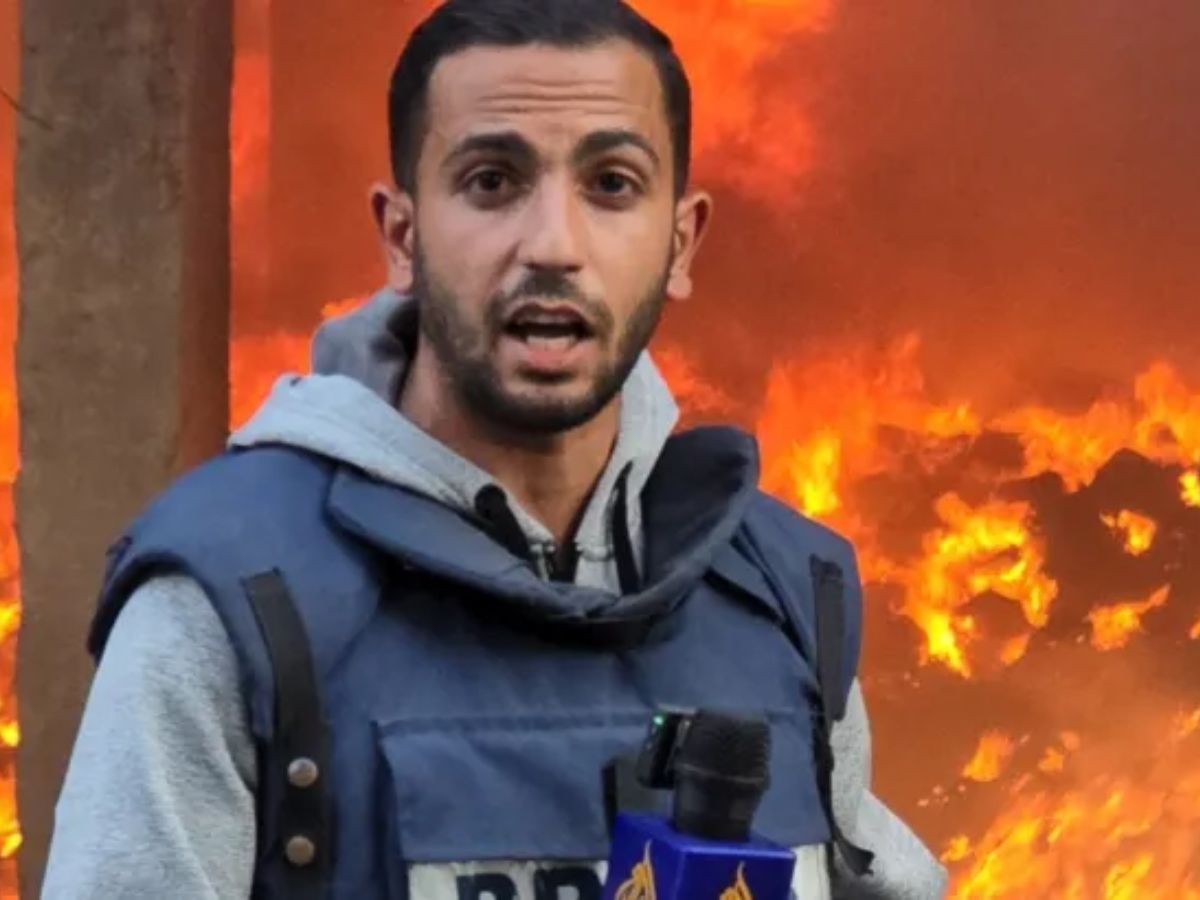
Israel has defended the killing of Al Jazeera journalist Anas al-Sharif in Gaza City. It called him a Hamas terrorist who posed as a journalist. The Israel Defence Forces (IDF) alleged that he was the head of a Hamas cell and planned precision rocket attacks. It accused him of launching attacks on Israeli civilians and troops. The IDF claimed that intelligence, documents, and training lists from Gaza proved his Hamas membership. It also said that salary records showed he later joined Al Jazeera.
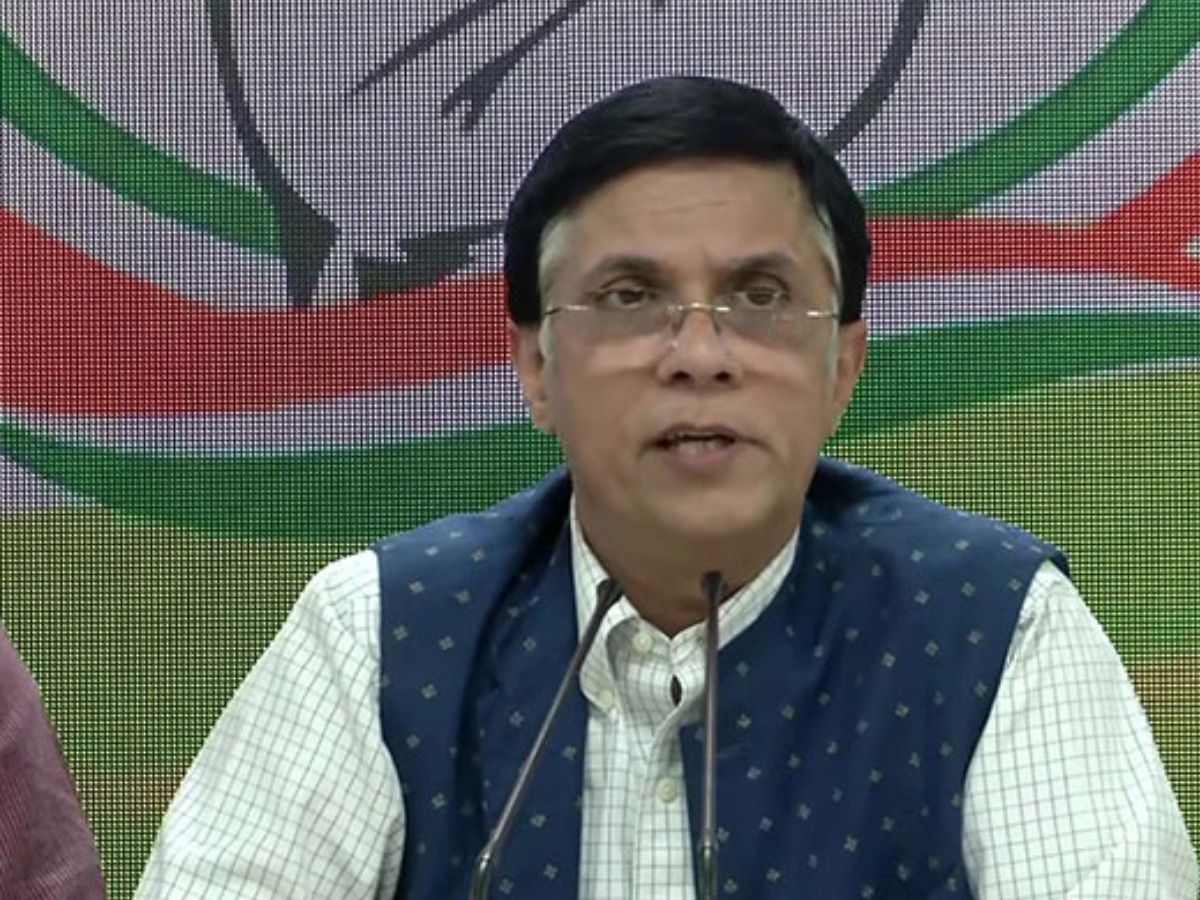
The killing drew sharp criticism from the United Nations. Riyad Mansour, the Permanent Observer of Palestine to the UN, condemned the attack. He criticised PM Benjamin Netanyahu for denying famine in Gaza. Mansour urged the Security Council to visit Gaza with journalists to verify conditions on the ground. He challenged Netanyahu to allow such a visit if he was confident in his claims.
What Happened on August 10?
Five Al Jazeera journalists died near Gaza City’s Al-Shifa Hospital on August 10. They were Anas al-Sharif, Mohammed Qreiqeh, Ibrahim Zaher, Moamen Aliwa, and Mohammed Noufal. Reports say the strike came a year after Israel bombed Anas’s family home in Jabalia refugee camp, killing his 65-year-old father, Jamal al-Sharif.
Anas was 28 years old. Moments before his death, he reported on Israel’s intensified offensive in Gaza City. The attack followed Netanyahu’s cabinet approval of his Gaza City plan.
Anas al-Sharif’s Final Words
A post on his X account carried his last message. He wrote that if his words reached the world, Israel had succeeded in killing him and silencing his voice. He urged people to stand with Palestine and its people. He described Gaza’s children as innocent victims who never had a chance to dream or live in peace.
This is my will and my final message. If these words reach you, know that Israel has succeeded in killing me and silencing my voice. First, peace be upon you and Allah’s mercy and blessings.
Allah knows I gave every effort and all my strength to be a support and a voice for my…
— أنس الشريف Anas Al-Sharif (@AnasAlSharif0) August 10, 2025
He said he endured pain, loss, and threats to his life but kept reporting the truth. Al Jazeera noted that he had repeatedly received threats from the Israeli military. He feared that the IDF was targeting him.
Media Freedom Under Fire
The murder has rekindled the discussion over journalistic freedom in conflict areas. The distinction between lawful targeting and stifling dissent is called into doubt by Israel’s allegation that a journalist was a terrorist.
International news organisations caution that such behaviour creates a risky precedent. Reporters on the ground are frequently the first to reveal the facts in conflicts. Removing them could undermine accountability and remove important eyewitness statements.