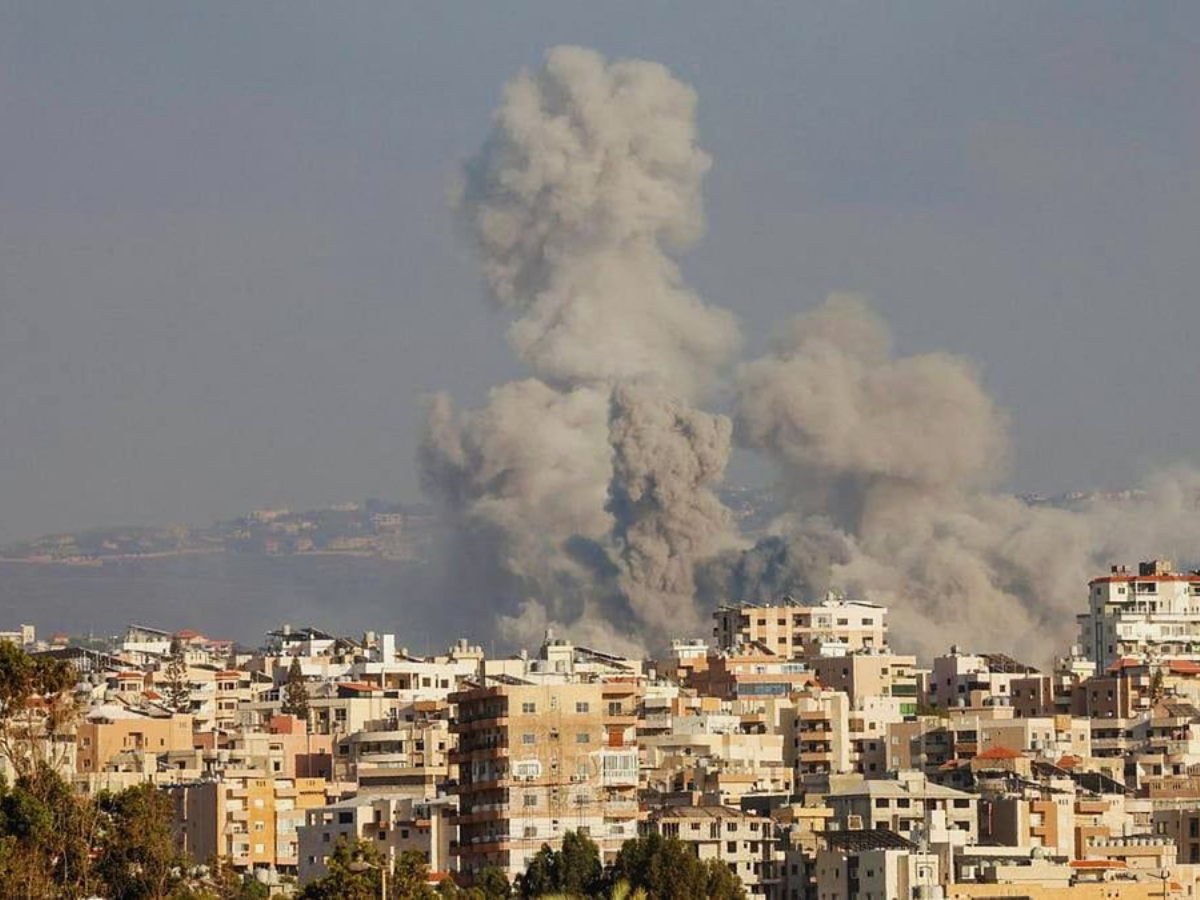
A year after a ceasefire was brokered between Israel and Hezbollah, the border region remains locked in a dangerous cycle of low-intensity conflict. Far from ushering in stability, the truce has become a fragile pause, repeatedly broken by airstrikes, accusations and political strain. The latest round of Israeli strikes in southern Lebanon has once again highlighted how volatile the situation remains.
Renewed Strikes & Rising Tensions
Lebanon’s National News Agency reported multiple Israeli raids on Al-Mahmoudiya and Al-Jarmak, towns just north of the Litani River. These are the latest violations of the November 27, 2024 ceasefire that was supposed to end more than a year of fighting.
Israeli officials say the strikes target Hezbollah facilities, launch sites, and storage areas used to restock weapons. The Israeli military claims it is acting to stop Hezbollah from rebuilding its capabilities.
Lebanese Response & Fragile Security
Lebanese Prime Minister Nawaf Salam has referred to the situation as a one-sided war of attrition. Since the cease-fire, Lebanon has been unable to contain the spillover of attacks, particularly as Hezbollah remains present throughout the south.
ALSO READ: Israel Hits Beirut Suburbs: Netanyahu Says Hezbollah Commander Targeted
Lebanese President Joseph Aoun denied assertions that authorities were permitting the group to regroup, adding that the army was working to contain armed displays, confiscate ammunition and investigate underground tunnels.
Pressure From the United States
Part of the tension is due to diplomatic pressure. The US administration has been pushing the Lebanese government to speed up Hezbollah’s disarming, saying that the group has not implemented the agreement to pull its forces north of the Litani River.
Washington and Israel believe Lebanon is going too slow, but the Lebanese military says that it is moving ahead with the plan approved by the government.
ALSO READ: Who is Bruna Caroline & What Led to the ICE Action Against Leavitt’s Family Member?
Ceasefire in Name Only
UN Special Coordinator Jeanine Hennis-Plasschaert said the ceasefire has yet to usher in peace. Fighting may be less intense, but uncertainty looms over the region, and continuing Israel strikes, coupled with Hezbollah’s retaliatory threats, were clear signals of a conflict that may erupt anew.
The killing in Beirut of senior Hezbollah commander Haitham Ali Tabatabai underlined just how fragile this agreement has become and how little protection this ceasefire has afforded civilians on either side of the border.
ALSO READ: UAE Halts Regular Visas for Pakistanis Over Criminal Activity Concerns | Avoids Full Ban
Disclaimer: This article is an independent analysis based on publicly available reports and does not represent political endorsement or legal assessment.