
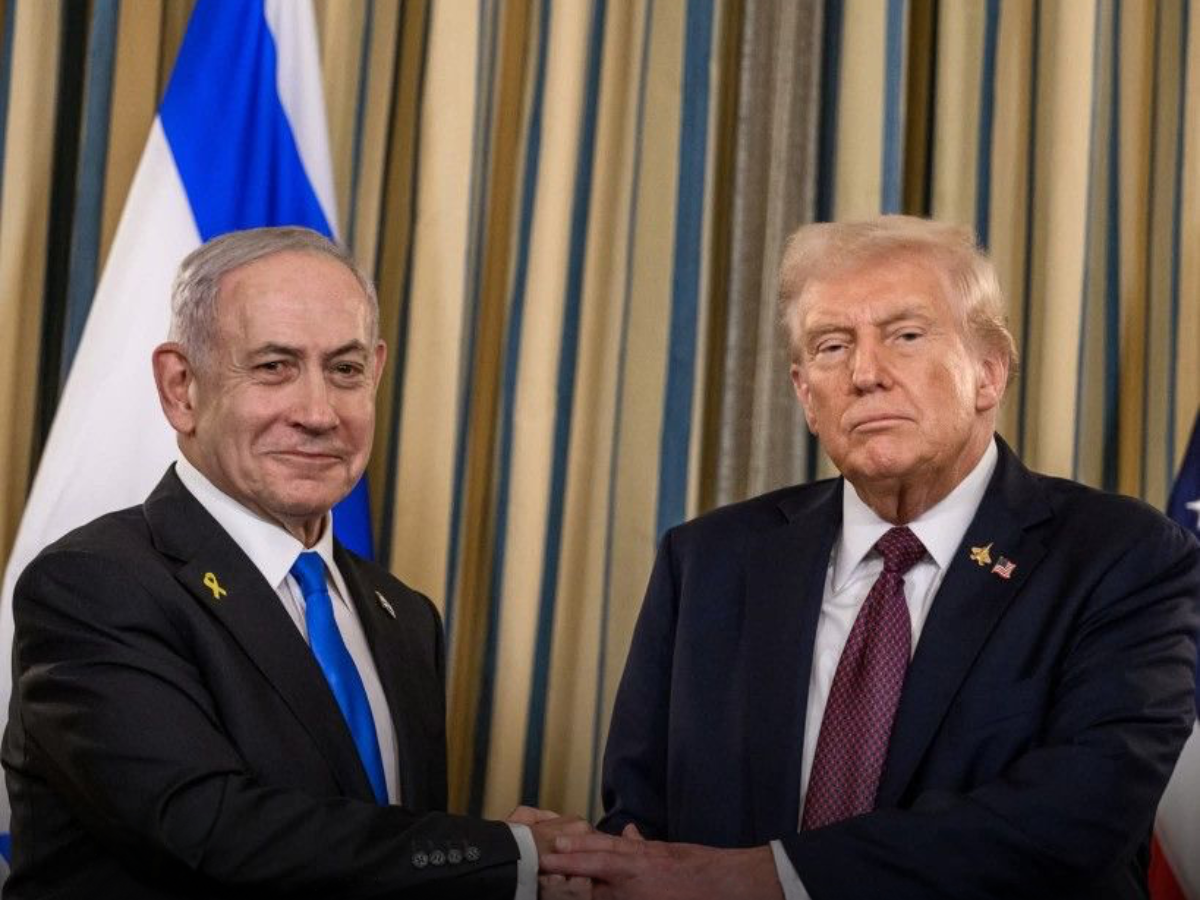
Israeli Prime Minister Benjamin Netanyahu is readying himself for his December 29 meeting with US President Donald Trump, when the course of the next phases of the ceasefire plan in Gaza is expected to be influenced.
The two leaders have long framed themselves as strategic partners and their upcoming talks arrive at a time when political and security decisions carry regional ramifications at every turn.
From outlining the future of the Gaza Strip to discussing the role an international stabilization force can play within it, the meeting marks another chapter in a relationship that has helped set Middle East policy for years.
Netanyahu–Trump Meeting: What’s on the Agenda
The Israeli Prime Minister’s office has confirmed that Netanyahu and Trump would discuss details of how to roll out the ceasefire blueprint, already unfolding in phases.
Officials said future timelines, responsibilities of any potential stabilization force, and the preconditions required to take the plan into its phase three, which centers on deradicalization efforts in Gaza, would be discussed.
Israeli officials attributed the current truce to a mix of military pressure by Israel and diplomatic efforts led by Washington.
Netanyahu’s Praise of Trump’s Earlier Policies
He has repeatedly referred to Trump as one of Israel’s most stalwart allies, similar to his comments in the Knesset in October 2025. Among the Trump-era decisions that he called truly pivotal in setting the course for Israel’s standing in the world were the recognition of Jerusalem as the country’s capital and the brokering of the Abraham Accords.
The agreements opened diplomatic relations between Israel and several Arab nations, and their reverberations can still be seen throughout the political dynamics of the region.
ALSO READ: Fact Check: Will Trump Remove Kristi Noem? Reports Link Decision to Alleged Lewandowski Affair
Phase Two of the Ceasefire Plan: Key Challenges Ahead
While Netanyahu pronounced that progress is being made toward the next phase of the ceasefire, he indicated that a number of details still remain outstanding. One of the big questions still on the table is whether an international security force will be deployed to Gaza.
Flanked by visiting German Chancellor Friedrich Merz, Netanyahu emphasized that disarmament and restrictions on Hamas military capabilities are key pre-conditions to moving forward.
Uncertainty Surrounds Implementation of Gaza Reforms
The present ceasefire continues with relative calm, but accusations from both sides persist as each party blames the other for breaking parts of the agreement. In fact, Netanyahu furthered that for the success of this plan, Hamas needs to fulfill all its obligations including its long-term stand on disarmament.
A conversation that he is set to have with Trump might include these sticky situations and more about the effort to reshape governance and security in Gaza.
ALSO READ: Trump to Sign Order Preventing States from Setting AI Regulations
Disclaimer: This article is based on reported developments and public statements. It does not endorse any political position and aims only to inform readers.