
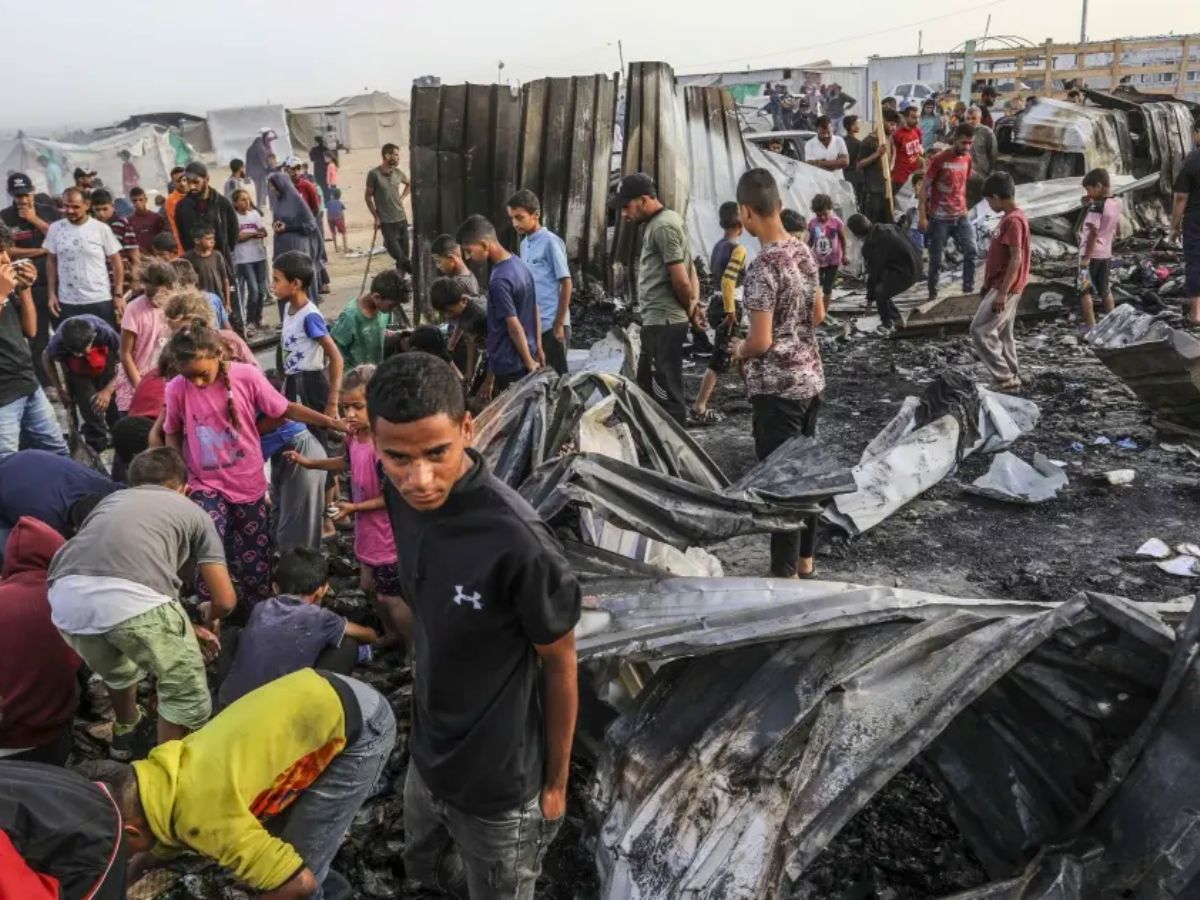
Israel has announced that it will allow the gradual and controlled import of goods into Gaza through local merchants. This aims to improve aid distribution while minimizing dependence on the UN and other global entities. Officials are estimating the need for 600 aid trucks daily—the same volume that entered Gaza before the war.
The development also follows renewed calls for hostage access after Hamas released a disturbing video of a malnourished captive, which is also prompting Western outrage. The humanitarian situation and political deadlock continue to worsen, while Hamas signalled its willingness to coordinate with the Red Cross under certain conditions.
Aid Through Merchants: A Controlled Shift
Israel’s military agency COGAT confirmed on August 5 that goods would now enter via Gaza-based merchants rather than relying entirely on international bodies.
“This aims to increase the volume of aid entering the Gaza Strip, while reducing reliance on aid collection by the UN and international organisations,” COGAT stated.
The move is being viewed as a tactical recalibration. It allows Israel to regulate aid delivery more tightly while still projecting a measure of responsiveness to international calls for humanitarian relief.
ALSO READ: Trump Threatens to Cut Off ‘Disaster Aid’ to States That Boycott Israel
Return to Pre-War Volumes—But Still a Long Way to Go
Before the war, around 600 trucks of aid entered Gaza daily. Currently, just a small portion of that penetrates.
Due to war destruction, damaged infrastructure, and increased scrutiny on aid routes, reverting to those levels is still difficult.Global organizations, excluded from this new structure, express concerns regarding the fairness and openness of aid allocation
Hostages Still in Limbo as Hamas Offers Partial Cooperation
On August 3, Hamas issued a rare statement. The group said it was prepared to coordinate with the Red Cross to deliver aid to hostages if Israel met certain conditions.
This came after Hamas released a video showing an emaciated Israeli hostage, sparking outrage in Israel and condemnation from Western leaders.According to Israeli sources:
251 hostages were taken on October 7, 2023, when Hamas launched a deadly attack that killed 1,200 Israelis.
50 hostages remain in Gaza, but only 20 are believed to be alive.
Hamas has barred humanitarian organisations from accessing hostages or providing details to families.
ALSO READ: Trump Declares Tariff War on India Over Russian Oil Resale Profits
War Toll and Political Paralysis
Israel’s ongoing offensive has killed over 60,000 Palestinians, according to Gaza health authorities. These figures include both militants and civilians, as no distinction is officially made.
Meanwhile, the hostage issue and humanitarian collapse have hardened both sides. Families of captives persist in seeking updates, as humanitarian organizations caution about famine-like situations.
Bypassing the UN—Control or Collapse?
Israel is fundamentally restructuring the humanitarian distribution system in Gaza by shifting aid coordination to local vendors. This step, while appearing logical, raises more substantial concerns. Critics claim that omitting the UN diminishes oversight, increases the likelihood of corruption, and entrusts aid distribution to entities with inconsistent accountability.
Some contend it functions as a strategic political message—diminishing the UN’s role in Gaza reflects growing Israeli distrust of global entities deemed unsupportive of its military efforts.
ALSO READ: India Slams US, Europe Over Russia Trade Hypocrisy Amid Delhi Criticism
Can This Shift Ease the Crisis?
With aid gradually returning and pressure increasing on both Hamas and Israel, the humanitarian crisis remains severe.
The upcoming weeks will determine if this new delivery approach provides real relief or just intensifies current disparities