
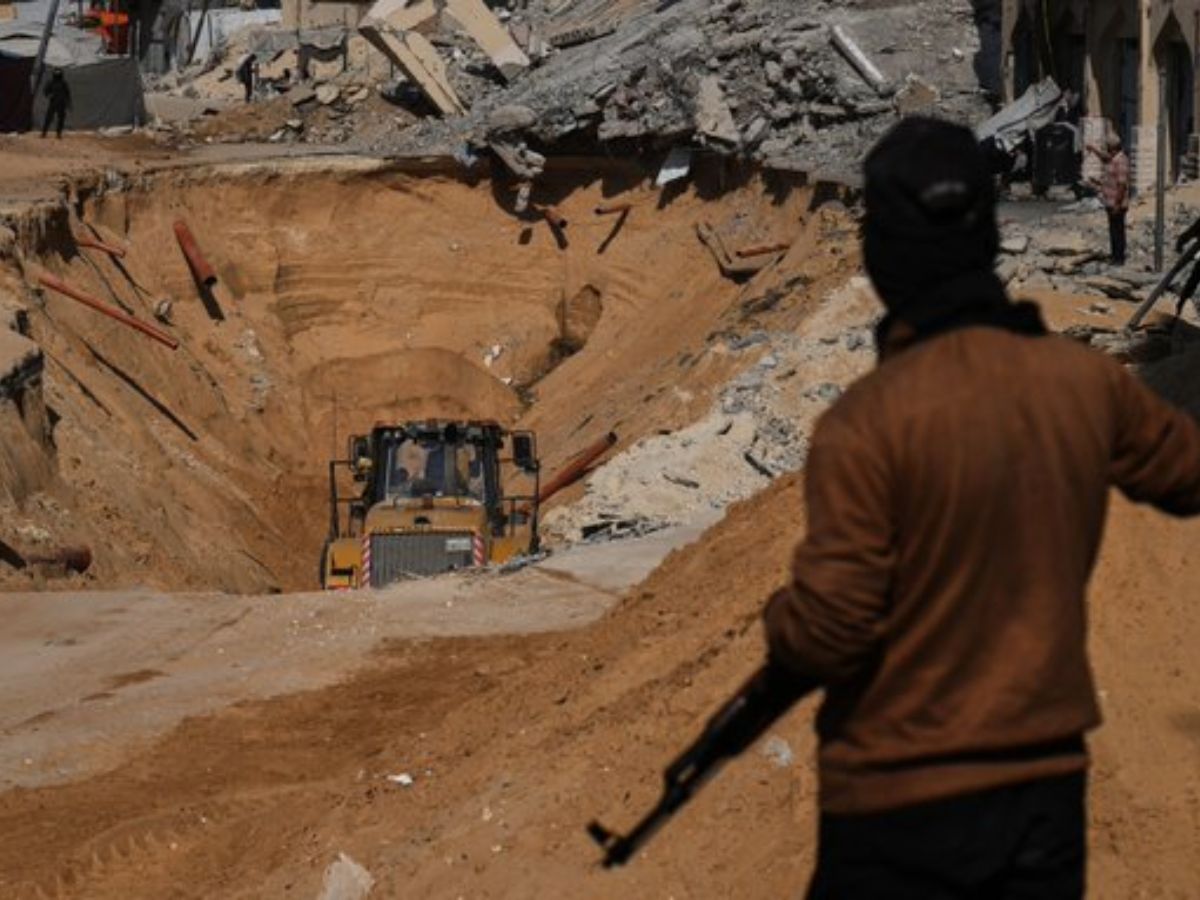
On Tuesday, December 30, the Israeli military renewed its bombardment across parts of the Gaza Strip, firing missiles and artillery despite a ceasefire that has been in place since October 10. The sudden escalation has alarmed residents and international observers, as violence flares even while diplomatic talks continue in Washington and the region.
The latest strikes hit multiple areas of the densely populated enclave. Witnesses reported explosions in northern and central Gaza, with smoke rising from residential districts. Gaza’s local health authorities described the attacks as a clear breach of the peace deal, which was intended to halt the two-year-long conflict.
What Happened in the Latest Strikes?
Israeli warplanes carried out fresh air strikes in Gaza, targeting areas that include densely populated neighbourhoods and outskirts used by local fighters. Gaza officials said these strikes killed and wounded civilians, although full casualty figures are still being confirmed.
In addition to aerial attacks, artillery shells landed in the southern zones of the enclave, sending residents scrambling for shelter. The renewed shelling has sparked panic among families trying to rebuild their lives after months of war and displacement.
Ceasefire Violations Since October 10
Since the US-brokered ceasefire took effect on October 10, Palestinian authorities say that Israel has violated the agreement hundreds of times. These alleged violations include air raids, artillery bombardments, raids, and restrictions on aid deliveries.
Aid groups and humanitarian organisations have repeatedly warned that the fragile truce has barely eased the suffering in Gaza. Many displaced families still live in tents or makeshift shelters, struggling with shortages of food, water and medicine.
Political Pressure and Diplomatic Talks
The strikes come as major diplomatic efforts resume, with key Israeli and American leaders meeting to discuss the future of the ceasefire and broader peace plan. In a meeting in Florida, US President Donald Trump warned Hamas that they would have “hell to pay” if they refused to disarm, as called for under the ceasefire terms.
Israeli PM Benjamin Netanyahu also travelled to the US to push for support on the next phase of the ceasefire agreement — even as questions remain about Israel’s commitment to withdrawing troops and allowing reconstruction in Gaza.
Gaza’s Humanitarian Strain Worsens
Meanwhile, Gaza’s humanitarian situation continues to deteriorate. A recent report highlighted heavy winter rains flooding refugee camps, adding to the misery of families already displaced by conflict. Basic supplies are still limited, and many residents fear that renewed fighting could further hamper aid delivery.
Local hospitals are stretched to the breaking point, and civil defence teams warn that civilian casualties could rise if strikes continue. Aid agencies have called for all sides to respect the ceasefire and prioritise humanitarian access.
Who is Blamed for the Violence?
The Israeli government accuses militant groups of staging sporadic attacks across Gaza, claiming these justify defensive strikes. Hamas and other Palestinian factions deny initiating significant violations and blame Israel for provoking escalation by maintaining military pressure and restricting relief efforts.
Both sides continue to trade accusations, leaving the ceasefire’s future uncertain and raising fears that the truce may collapse entirely if diplomatic negotiations fail.
What Comes Next?
Analysts say the conflict remains volatile and that international pressure will grow if attacks continue. World leaders have urged restraint and respect for humanitarian law, stressing that protecting civilians must be a priority. As diplomacy unfolds, the people of Gaza remain caught in a cycle of hope and fear.