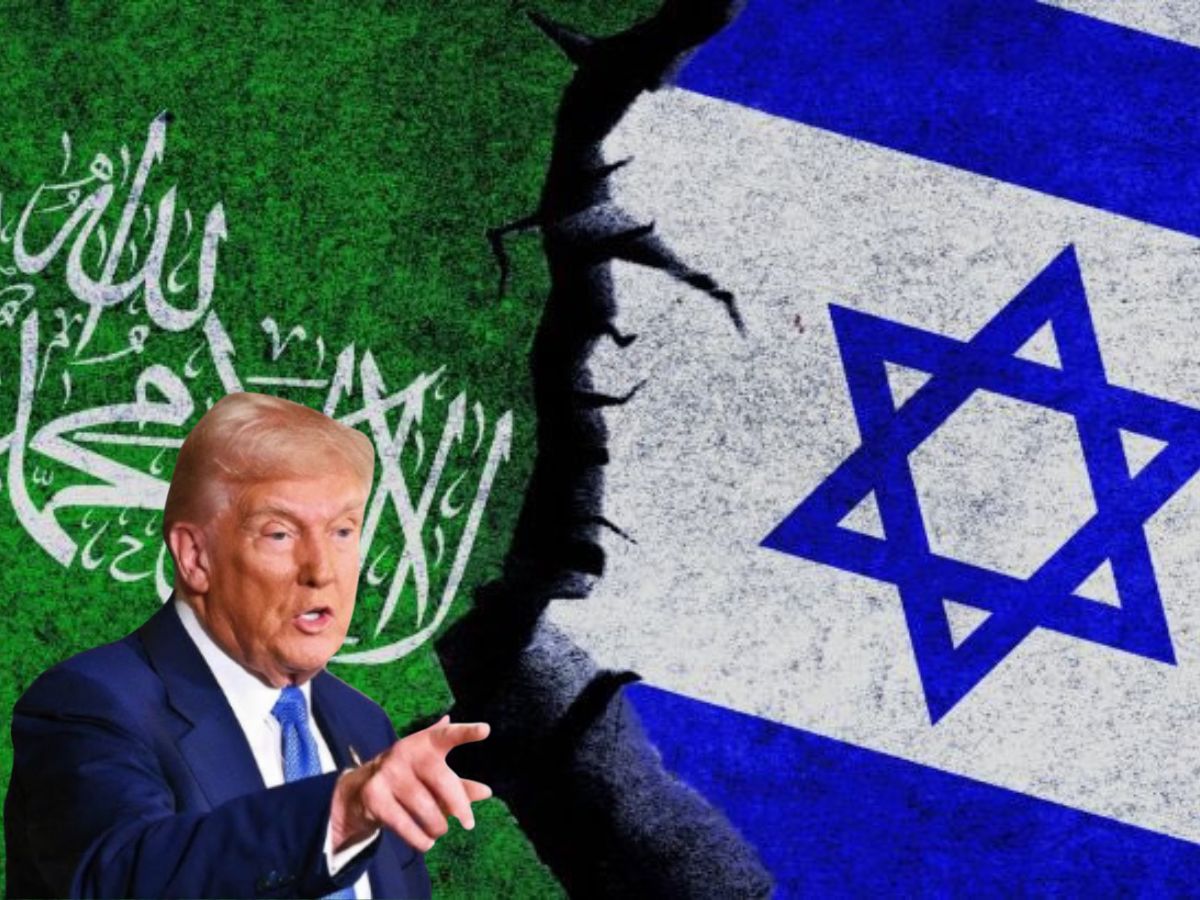
Israel-Hamas peace deal negotiations on the US-mediated Gaza peace agreement have come to a crucial point, displaying optimism for the conclusion of almost two years of fighting in the region. Last week’s high-level negotiations in Egypt and pressure from US President Donald Trump have seen both sides provisionally agree to essential parts of a 20-point plan, although key issues still persist.
Current Update: Deal Elements and Progress
The first phase of the Gaza peace plan is focused on an immediate ceasefire, the release of all Israeli hostages being held by Hamas, and the return of Palestinian detainees. Sufficient amount of humanitarian supplies would be provided to the Strip, and authority over Gaza would shift to a board headed by an international coalition, followed by future rule by a Palestinian technocratic committee overseen by the US. Whereas Israel has committed to suspending major combat operations and conditionally withdraw from certain areas, it insists on disarming Hamas and completely demilitarising Gaza in the second stage. Hamas, in turn, has accepted the hostages-for-ceasefire exchange but calls for greater definition of Palestinian autonomy and timetable for disarmament.
US President Trump has imposed tough timelines, threatening both the sides to “move fast or risk further devastation.” He emphasised the urgency of the plan to avoid another collapse and pledged he “will not tolerate delay,” imposing huge diplomatic pressure on both sides to seal the deal within days.
Although IDF posts several updates on X (formerly Twitter) which suggest otherwise in the opposite direction of the de-escalation.
⭕️LOCATED & DISMANTLED: Stockpiles of weapons and long-range rockets positioned and ready to fire towards Israel in Gaza City. pic.twitter.com/BEirVEVDJ2
— Israel Defense Forces (@IDF) October 6, 2025
“The operation is not over; we must remain alert and ready for combat at all times. If the hostages are released, it will be a significant achievement and fulfillment of a principal war objective – and it is thanks to you”
— Chief of the General Staff, LTG Eyal Zamir, at the…
— Israel Defense Forces (@IDF) October 5, 2025
Expert Opinions: Optimism, but Caution
The world’s experts and diplomats have greeted the framework as the nearest hope for a lasting truce in years. Analysts point to a number of constructive differences with earlier efforts: a coherent US-led coalition, strong international backing (with India and other major Arab states in the fold), and a multi-stage process to Palestinian self-rule. But many caution that implementation is filled with pitfalls, most notably Hamas’s readiness to disarm and Israel’s willingness to accept a legitimate political horizon for a Palestinian state. Skeptics in Israel and Palestine are also holding back; Gallup surveys indicate that only about 20% of both populations predict “permanent peace” in the near future.
Experts also warn that, historically, agreements at this point have come undone because of disagreements over territory, security assurances, or political representation at the last minute. Among the important questions are who will oversee the Gaza transition, how reconstruction will be overseen, and what will be done with Hamas members who reject the scheme.
Implications for the Future and the Long-term
The agreement, if enacted successfully, would put an end to the longest standing conflict in the area since 1948 and pave the way for Palestinian statehood and renewed international relations with both Gaza and Israel. The step-by-step US plan foresees gradual de-militarisation, new economic alliances, infrastructure reconstruction, and potential elections to establish a governing power accepted by both Palestinians and the international community.
Long-term threats are real. Not following through on the agreement might provoke renewed violence, cement Israeli-Palestinian splits, and de-stabilise local Arab regimes. A successful agreement might end the chronic cycle of war, erode Israel’s growing diplomatic isolation, enable Gaza’s reconstruction, and redirect international diplomacy towards a wider Middle East peace process.
With all eyes on Cairo, the next few days will tell if this diplomatic push can ultimately convert battlefield fatigue into actual, tangible peace.