
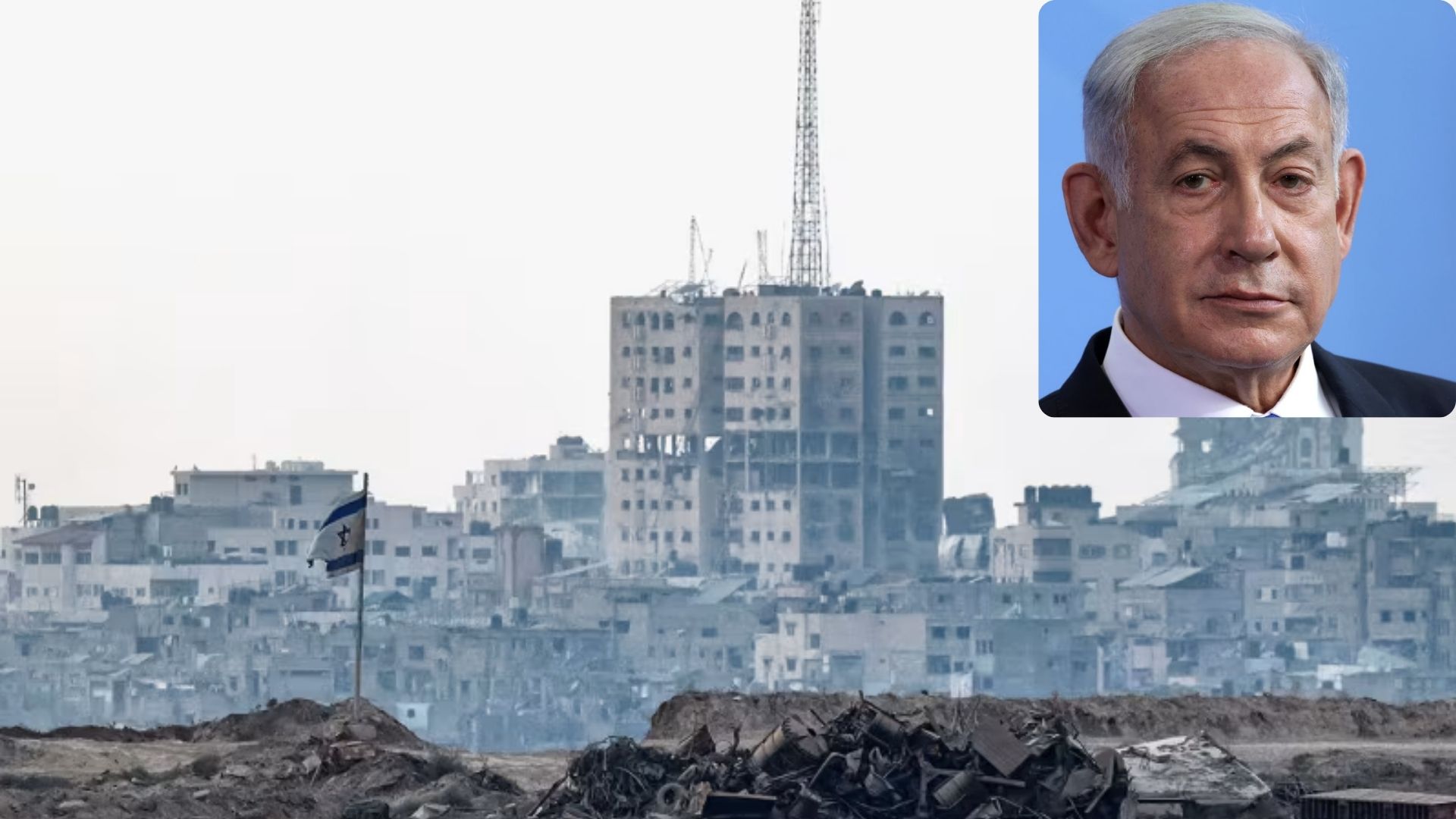
In a move that has sparked intense global debate, Israeli Prime Minister Benjamin Netanyahu has unveiled a revised strategy to dismantle Hamas and reshape Gaza’s political landscape. His government insists the plan is crucial for Israel’s security, but many countries and organisations have raised alarms over its implications for Palestinians.
Israel Accuses Germany of Rewarding Terrorism
Netanyahu’s office sharply criticised Germany’s recent decision to halt arms exports to Israel, calling it a move that “rewards Hamas terrorism” rather than supporting Israel’s “just war” against the group. The statement stressed that Hamas was behind the deadliest assault on the Jewish people since the Holocaust, and accused Berlin of undermining Israel’s fight to eliminate the militant organisation.
Five Principles for Gaza’s Future
The updated plan aims to defeat Hamas by placing Gaza City under Israeli control. It sets out five guiding principles for the territory’s future, including complete demilitarisation and the creation of an alternative civil authority. Netanyahu emphasised that Israel does not seek to govern Gaza permanently. Instead, he told Fox News, the country plans to establish a “security perimeter” and later hand over control to Arab forces capable of ensuring stability.
Global Backlash and Hamas Reaction
The proposal has faced strong criticism from China, Turkey, Britain, several Arab nations, and the United Nations Human Rights Chief. Hamas condemned the plan, calling it a “new war crime.” Many critics argue the move could worsen the humanitarian crisis and hinder prospects for lasting peace.
Germany Shifts Policy on Military Exports
In a major policy reversal, Germany suspended all military exports to Israel, citing concerns about their potential use in Gaza and the growing civilian toll from the ongoing conflict. Chancellor Friedrich Merz remarked that it was “increasingly difficult to understand” how Israel’s latest actions align with its stated goals, signalling a rare public rift between the two nations. The move marks a significant shift in Germany’s traditionally strong support for Israel and has sparked heated debate within Europe over how far allies should go in backing Israel’s military campaign while balancing humanitarian considerations.
Israel’s Current Position in Gaza
According to Israeli military claims, its forces now control roughly 75% of the Gaza Strip, marking one of the most significant territorial holds since the latest conflict began. Israel previously occupied the territory from 1967 until its withdrawal in 2005, but the recent surge in hostilities has drawn it back into a prolonged and intense confrontation with Hamas. Military officials suggest that the current operations are aimed at dismantling the group’s infrastructure, while critics warn that such deep involvement risks triggering an even longer and more volatile conflict in the region.
Also Read: Germany Halts Arms Exports to Israel Over Netanyahu’s Gaza Takeover Plan