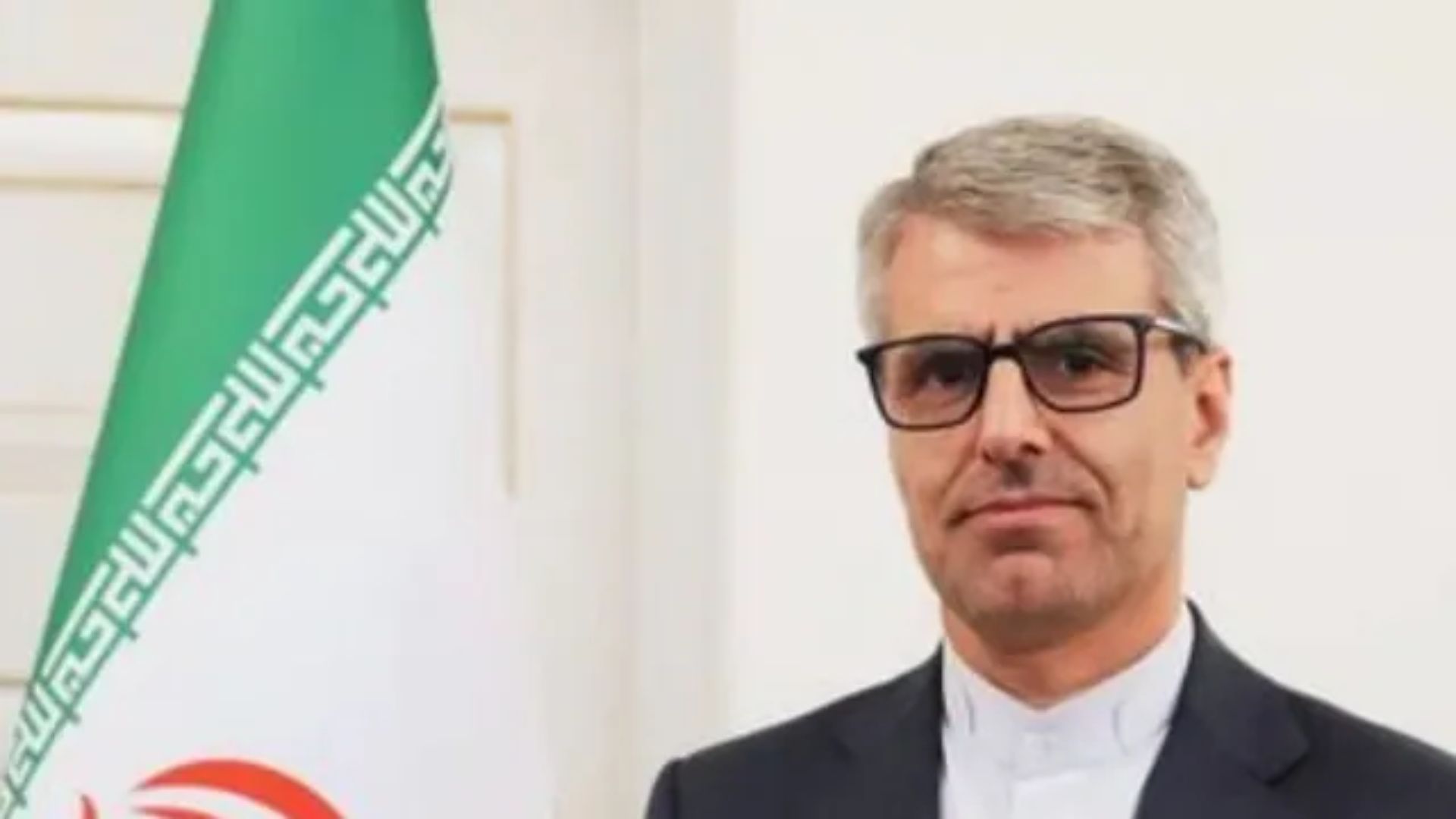
Iran will host a trilateral meeting at a high level with China and Russia on Tuesday to discuss its nuclear program and the reimposition of United Nations sanctions under the snapback mechanism. The plan was announced by Iranian Foreign Ministry spokesman Esmaeil Baqaei on Monday.
Besides this meeting, Iran has also planned nuclear talks with the European troika—Britain, France, and Germany in Istanbul on Friday. “The Iran-Britain-France-Germany meeting will be held at deputy foreign minister level,” Iranian state media quoted Baqaei as stating.
This diplomatic flurry comes amid intensifying pressure from the European powers, which have issued a warning that inaction to restart negotiations could lead to the reimposition of global sanctions on Tehran. The E3 Britain, France, and Germany have threatened to use the UN’s snapback sanctions regime by the end of August unless there is headway in the negotiations between the US and Iran.
The European ministers, along with the EU’s foreign policy chief, recently held their first official call with Iranian Foreign Minister Abbas Araqchi since the Israeli and US attacks on Iranian nuclear facilities in June. The ministers emphasized the urgency of returning to the terms of the 2015 nuclear deal.
Iran, Russia, and China are still signatories to the 2015 Joint Comprehensive Plan of Action (JCPOA), from which the United States pulled out in 2018. The deal had granted sanctions relief to Tehran in return for caps on its nuclear program.
In response to the warning from the E3, Araqchi condemned their method, saying: “If EU/E3 wish to have a role, they must play responsibly, and set aside the tired policy of threat and pressure, including the ‘snap-back’ for which they have absolutely [no] moral and legal basis.”
The snapback mechanism can be triggered before October 18, when the UN Security Council resolution that forms the basis of the nuclear deal will expire.
Before the recent flare-up between Israel and Iran, five rounds of Iranian-American indirect nuclear talks had been conducted in Tehran and Washington, with Oman facilitating them. But negotiations broke down mainly over Western insistence that Iran completely cease uranium enrichment, saying this is required to stop nuclear weapons development.
Iran, on its side, insists that it has only civilian nuclear plans.