Economic anger spilled onto the streets of Iran this week. Protesters gathered in several cities after the national currency fell to its weakest level ever. Rising food prices, job insecurity, and fears of further economic decline pushed traders and residents to demand urgent action from the government.
The unrest reflects growing frustration among ordinary Iranians as daily expenses surge and confidence in the economy continues to fall.
Why Protests Broke Out Across Iran
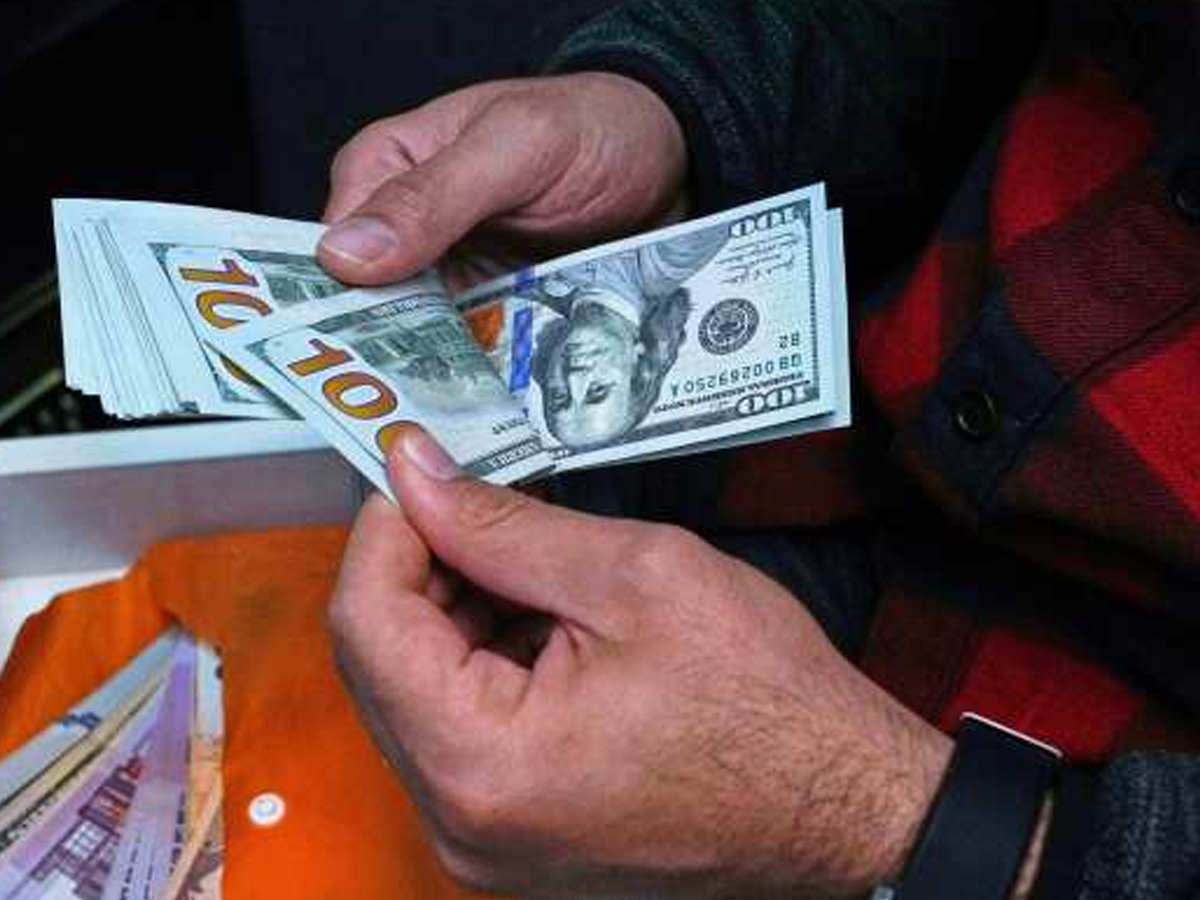
The protests began after Iran’s currency, the rial, crashed to a record low against the US dollar. The sharp fall shook markets and sent prices of basic goods higher.
Many shopkeepers closed their stores in protest. Traders urged others to follow them. This shutdown amplified public anger and spread demonstrations beyond local markets.
While early protests were limited in size, they soon expanded to more areas. Demonstrators gathered to express frustration over falling purchasing power and shrinking savings.
Rial Crash and Its Impact on Daily Life
The value of the rial dropped to about 1,390,000 against the US dollar in open markets. This collapse made imported goods far more expensive.
Food prices rose sharply. Essentials became harder to afford for many families. Iran’s population of nearly 92 million now faces higher living costs amid stagnant wages.
Many protesters said sanctions and long-term economic mismanagement pushed the country into crisis. The currency fall added pressure to an already fragile economy.
Clashes and Arrests During Protests
As demonstrations spread, tensions grew on the streets. Videos shared online showed confrontations between protesters and security forces.
Authorities reportedly detained several people during the unrest. Despite arrests, protests continued in multiple cities, reflecting deep public dissatisfaction.
Officials acknowledged the pressure facing citizens. Government representatives said they recognized the scale of frustration among the population.
President Pezeshkian Responds to Public Anger
Iran’s President Masoud Pezeshkian addressed the situation on Tuesday. He said economic hardship remains his top priority.
“The livelihood of the people is my daily concern. We have fundamental actions on the agenda to reform the monetary and banking system and preserve the purchasing power of the people. I have tasked the Minister of the Interior to hear the legitimate demands of the protesters through dialogue with their representatives, so that the government can act with all its might to resolve problems and respond responsibly,” he wrote in a post on X (formerly Twitter).
He described the protesters’ demands as legitimate and promised engagement through dialogue.
Government Signals Willingness to Talk
Other officials echoed the president’s message. A government spokesperson said authorities would engage with demonstrators instead of ignoring them.
“We see, hear, and acknowledge the protests, pressures, and crises…When people raise their voices, it means significant pressure is being put on them. We’re aware of the current situation and do not defend it,” Fatemeh Mohajerani said on Tuesday.
The government said reforms to the monetary and banking system remain a priority.
What Comes Next for Iran’s Economy?
The protests highlight deep structural problems in Iran’s economy. Currency instability, inflation, and sanctions continue to weigh heavily on citizens.
While the government has promised reforms and dialogue, many Iranians remain skeptical. Protesters want visible relief, not just statements.
For now, the unrest signals growing public impatience as economic pressure tightens across the country.