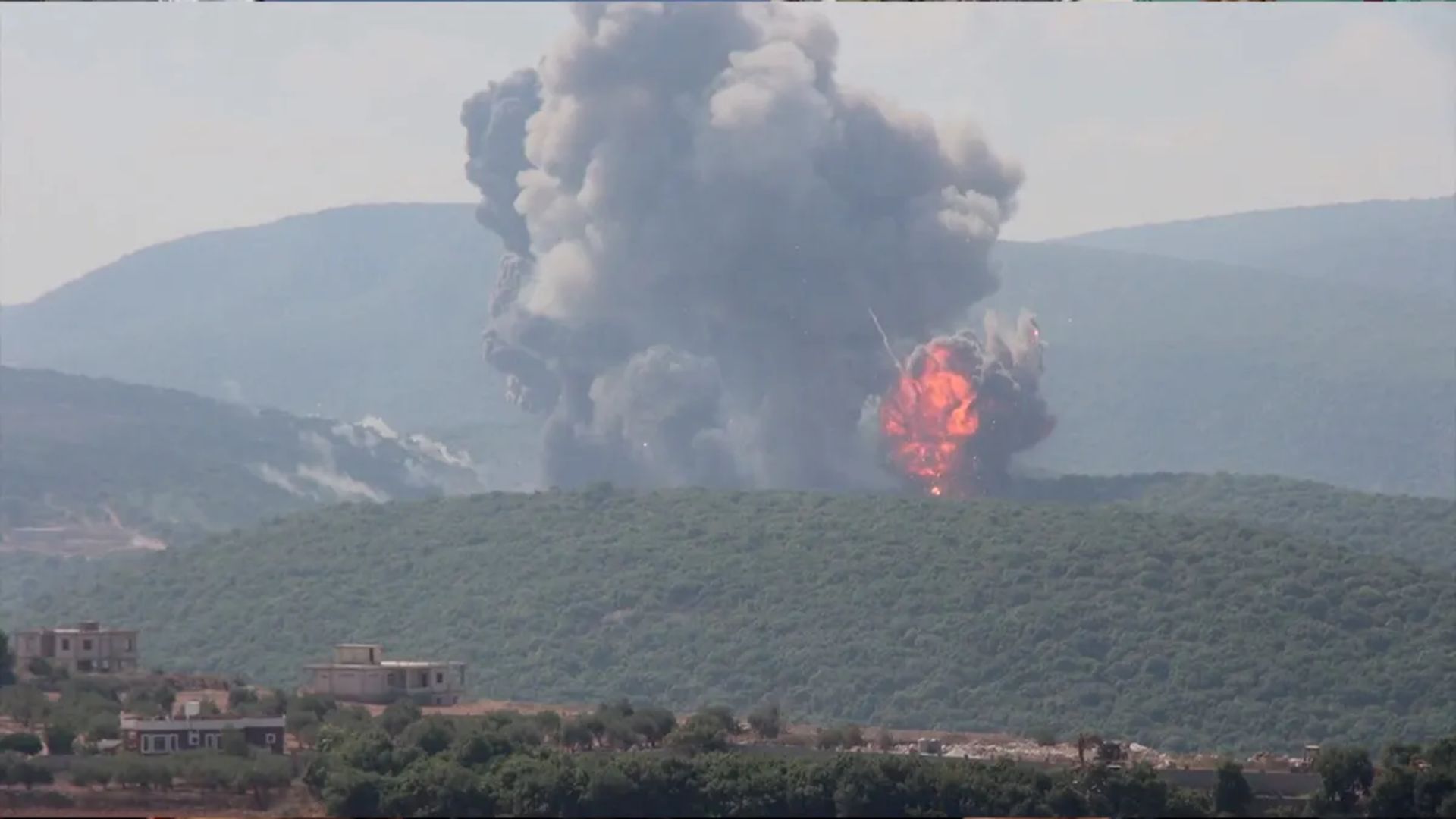
The Israel Defense Forces (IDF) carried out a precision airstrike in Lebanon’s eastern Beqaa Valley overnight, killing a Hezbollah operative named Hossam Qasem Ghorab (also spelled Hassam Qassem Gharab). The IDF confirmed the strike early Wednesday, stating it targeted a threat poised to direct attacks against northern Israel.
The military said Ghorab had been operating from Lebanese territory to coordinate terror cells in Syria, planning rocket attacks on Israel’s Golan Heights. “The terrorist’s activity posed a threat to the State of Israel and its citizens,” the IDF said in its statement. According to the IDF, Ghorab was coordinating terror cells based in Syria that were planning rocket attacks on northern Israel’s Golan Heights
Target Directed Cross-Border Attacks from Syria
According to the IDF, Ghorab used nearby Syrian territory as a base to guide cells that launch rocket attacks into the Golan Heights region. His elimination is part of broader Israeli efforts to disrupt Hezbollah’s operational networks.
Context: On-Going Border Hostilities
Attacks along the Israel-Lebanon border, especially from Hezbollah-linked operatives based in the Beqaa Valley, have increased in frequency. Israel cites these operatives as ongoing threats. This strike follows a string of similar targeted operations conducted by the IDF against senior Hezbollah figures in recent months.
What’s Next in the Conflict?
With tensions between Israel and Hezbollah escalating, this latest strike is expected to raise the stakes further. Israeli authorities may continue targeting individuals linked to cross-border attacks. In response, Hezbollah may intensify its own tactics; both sides appear to be preparing for a possible further flare-up.
Ongoing Clashes Between Israel and Hezbollah
This airstrike is part of months of escalating tension between Israel and Hezbollah, the Iran-backed militant group based in Lebanon. Since the outbreak of the Israel–Hamas war in Gaza in October 2023, Hezbollah has regularly launched rockets, drones, and anti-tank fire at northern Israeli towns and military posts from southern Lebanon.
In response, Israel has launched dozens of airstrikes deep into Lebanese territory, targeting Hezbollah infrastructure, weapon depots, and key operatives like Ghorab.
A War Brewing on Two Fronts
The conflict with Hezbollah is now seen as a second front for Israel, alongside its ongoing military campaign in Gaza. Israeli leaders have warned that if Hezbollah escalates further, a full-scale war in Lebanon is possible, something both sides have said they hope to avoid but continue to prepare for.
Tens of thousands of civilians on both sides of the Israel–Lebanon border have already been displaced, and the northern region of Israel remains on high alert.