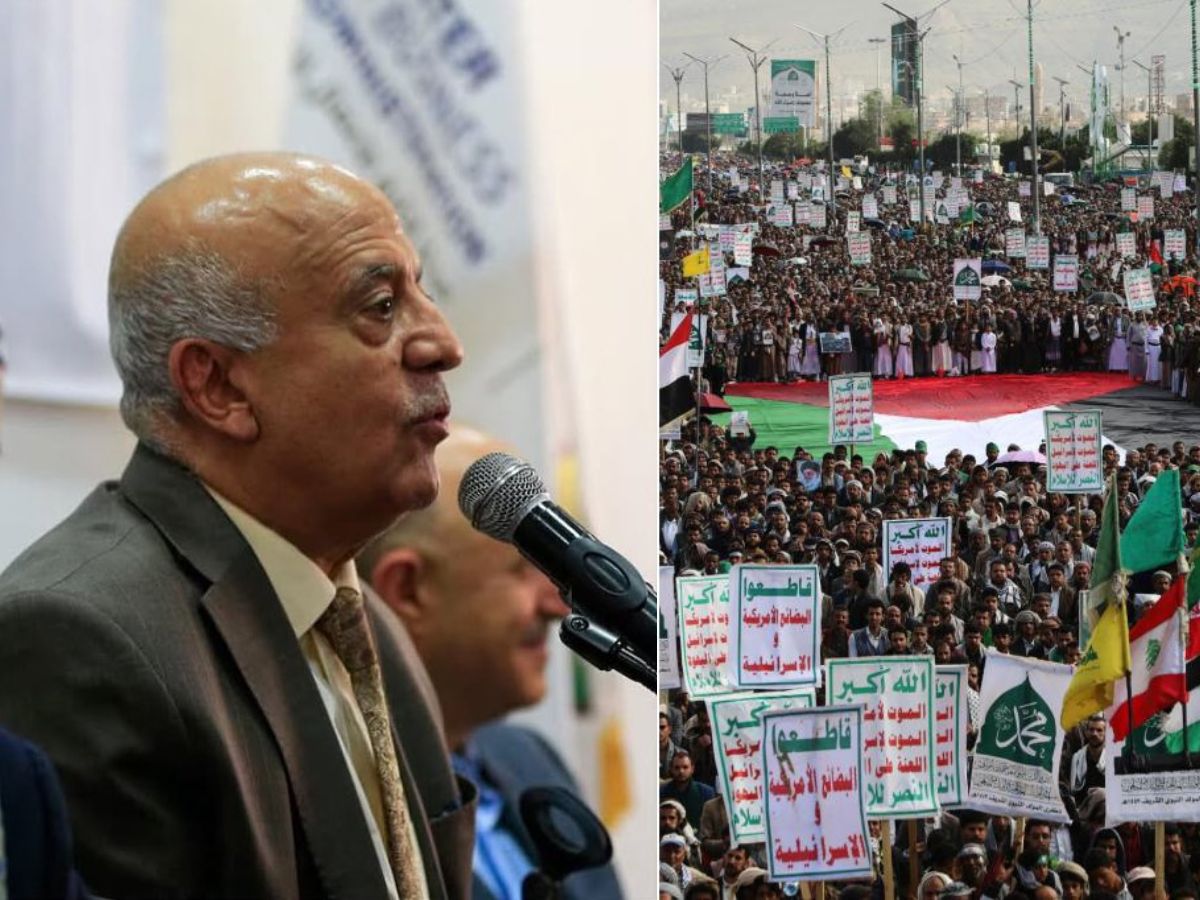
Yemen’s Houthi-held government was shaken by the killing of its prime minister, Ahmed Ghaleb Nasser al-Rahawi, during an Israeli air strike on the capital Sana’a on Thursday. The attack was confirmed by both Houthi, after Israel Defense Forces (IDF) had posted about thie strikes on X (formerly Twitter). The strikes also killed a number of ministers and represented a stark increase in the already tense conflict between Israel and Iranian-aligned Houthi forces.
As It Happened
The airstrike happened during a normal government workshop, when al-Rahawi and other top ministers were going over administrative performance over the last year. Based on reports from Houthi officials, at least five ministers, including foreign affairs, justice, youth and sports, and social affairs ministers, were killed, and others were seriously injured. Israeli military sources confirmed the strike hit a Houthi “terrorist regime military target” in retaliation for recent missile attacks against Israel from Yemen.
🔴 ELIMINATED: Houthi Prime Minister, Ahmed Al-Rahawi, along with additional senior officials of the Houthi terrorist regime were eliminated during an IDF strike in Sanaa, Yemen.
At the facility struck were senior officials responsible for the use of force, the military buildup…
— Israel Defense Forces (@IDF) August 30, 2025
Wider Geopolitical Background
Since the initial outbreak of the Gaza conflict in late 2024, Houthi forces in Yemen have stepped up missile attacks against Israel and have also targeted Western shipping in the Red Sea in a show of solidarity with the Palestinians. The recent airstrike, which specifically targeted the Houthi command structure, represents a serious escalation and a change of Israeli strategy to weaken adversary command infrastructures far beyond its own borders.
Iran-aligned Houthis have held Sanaa and much of northwestern Yemen since 2014, driving out the government internationally recognized and igniting one of the worst humanitarian crises in the world. Ahmed al-Rahawi, who became president in August 2024, was regarded as a more symbolic than strategic leader of Houthi military efforts, but his death still serves as a blow to administrative cohesion in the group.
ALSO READ | After al-Rahawi’s Death, This Person Takes Charge- Likely Next Houthi PM
Immediate Reactions
The Houthi Supreme Political Council promptly appointed Deputy Prime Minister Mohammed Ahmed Miftah as acting head of government. Houthi commanders have pledged “vengeance” and threatened that Israeli attacks won’t be able to discourage their missile launches or activities in support of the Palestinian movement. Israeli authorities meanwhile stressed that they remain determined to target Houthi capabilities for the sake of defending Israeli civilians and shipping interests in the region.
Regional Impact
The killing of al-Rahawi stands as the highest-profile loss for the Houthi leadership since their conflict with Israel escalated, and may trigger further military responses as the regional balance shifts. Yemen’s volatile situation remains at the center of broader tensions among Iran, Israel, and Western powers in the Middle East.