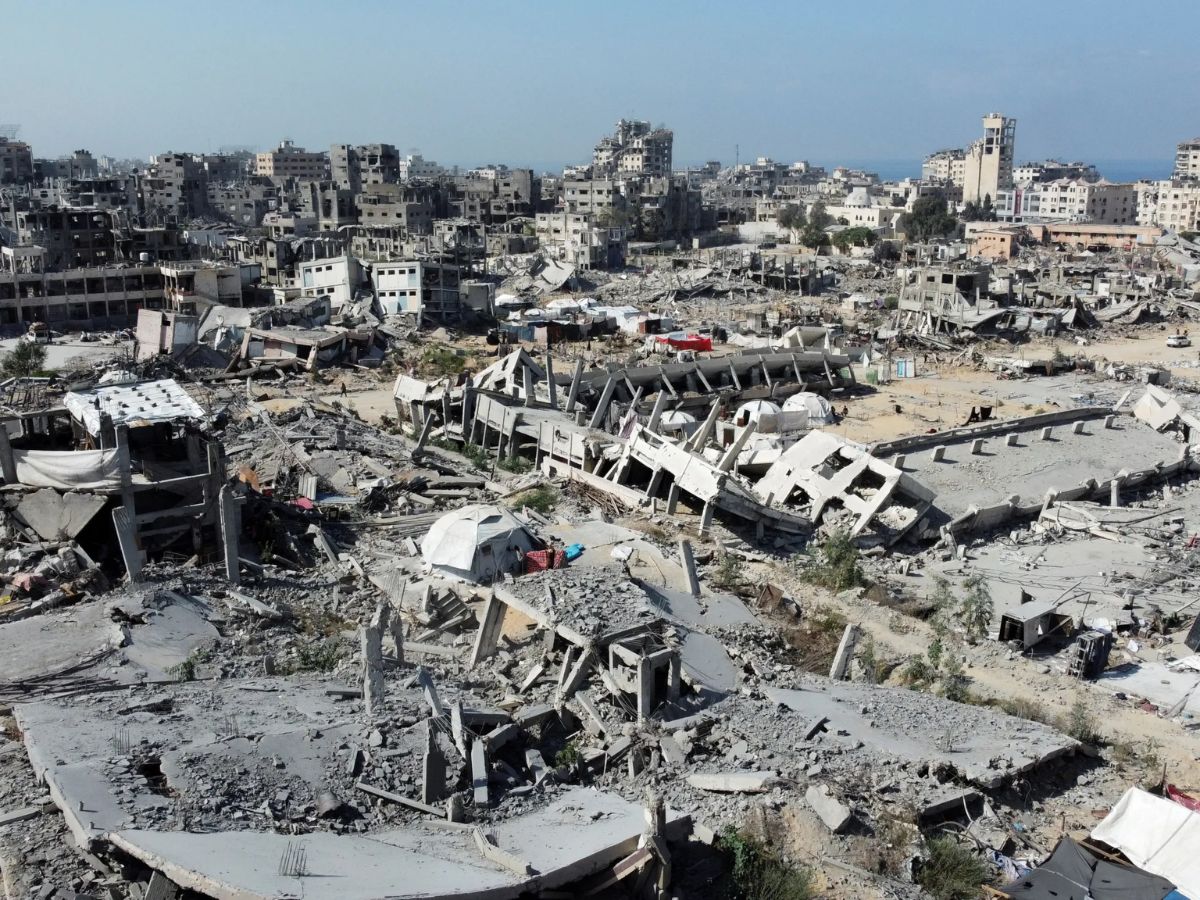
Israel accused Hamas of breaking a truce mediated by the United States and then began retaliatory airstrikes in Gaza on Sunday, October 20, in a dramatic escalation that threatened to end a brief period of peace. Despite the deadly clash that killed dozens, Israel indicated it does not want the peace deal to fall apart, describing its military action as a way to uphold the ceasefire, not end it.
What Prompted the Israeli Military Response?
The Israel Defence Forces (IDF) initiated what they termed a “series of significant strikes” against Hamas targets in the southern Gaza Strip, including the city of Rafah. The military’s official statement, posted on the social media platform X, explicitly blamed the Hamas terror organisation for violating the ceasefire. This retaliation was reportedly in direct response to at least three separate attacks by Hamas on Israeli forces earlier that same day. The move came after Israeli Defence Minister Israel Katz had issued a stark warning, stating, “Hamas will pay a heavy price for every shot and every breach of the ceasefire.”
How Did Israel Justify Resuming Attacks?
The key to understanding Israel’s position lies in its careful wording. The IDF stated it had “begun renewed enforcement of the ceasefire.” This wording is important because it frames the bombings as a punitive step to maintain the truce rather than as a sign of its abandonment. By initiating what it described as a “series of attacks” and vowing to “react harshly to any violation,” Israel sought to both show that it was committed to the terms of the deal and make Hamas responsible for any violations. The fact that the “political echelon” ordered this action explicitly suggests that a high-level decision was made.
What is the Current Status of the Ceasefire?
Following the retaliatory strikes, the IDF announced it had “resumed enforcement of the ceasefire.” This suggests that, for now, the broader truce agreement brokered by the United States remains technically in effect, but in an incredibly fragile state. Sunday’s violence marked the second major breach since the ceasefire took effect nine days prior. Both sides officially declare their support for the peace agreement’s continuation while accusing the other of inciting violence, creating a tense cycle of action and reaction.
Also Read: Why One Soldier’s Dash to the South is a Major Headache for Pyongyang?
What Does This Mean for the Future?
The immediate future of the region hangs in a delicate balance. Israel has signaled it can respond forcefully to violations, but by insisting on the ceasefire, it aims to avoid full-scale conflict. A quick escalation is still possible, though, as Defense Minister Katz warned the response will become “increasingly severe” if Hamas fails to get the message. The cycle of strikes challenges any peace agreements.