
Violence in Gaza has escalated, and now Hamas, the Palestinian militant organization, has supposedly agreed to the latest ceasefire proposals without requesting changes.
According to sources close to the talks, the deal mediated by Egypt and Qatar would now be a sixty-day cessation for combatants. During this time, at least 10 Israeli hostages should be released alive, along with some bodies, while the remaining persons would be released at a later stage. Officials have said that all Palestinian factions backing this plan.
Israel Awaits Response
There has been no official announcement from Israel regarding the ceasefire proposal. Israeli Prime Minister Benjamin Netanyahu recently asserted that any truce would have to guarantee the simultaneous release of all hostages under conditions set by Israel.
In the meantime, U.S. President Donald Trump took to social media to declare that the remaining hostages would only be allowed to return if Hamas were confronted and destroyed, revealing stark differences in the handling of the crisis.
ALSO READ: Will Netanyahu’s Gaza Offensive Cost More Lives? Israelis Rally To Stop The Escalation
Humanitarian Situation in Gaza
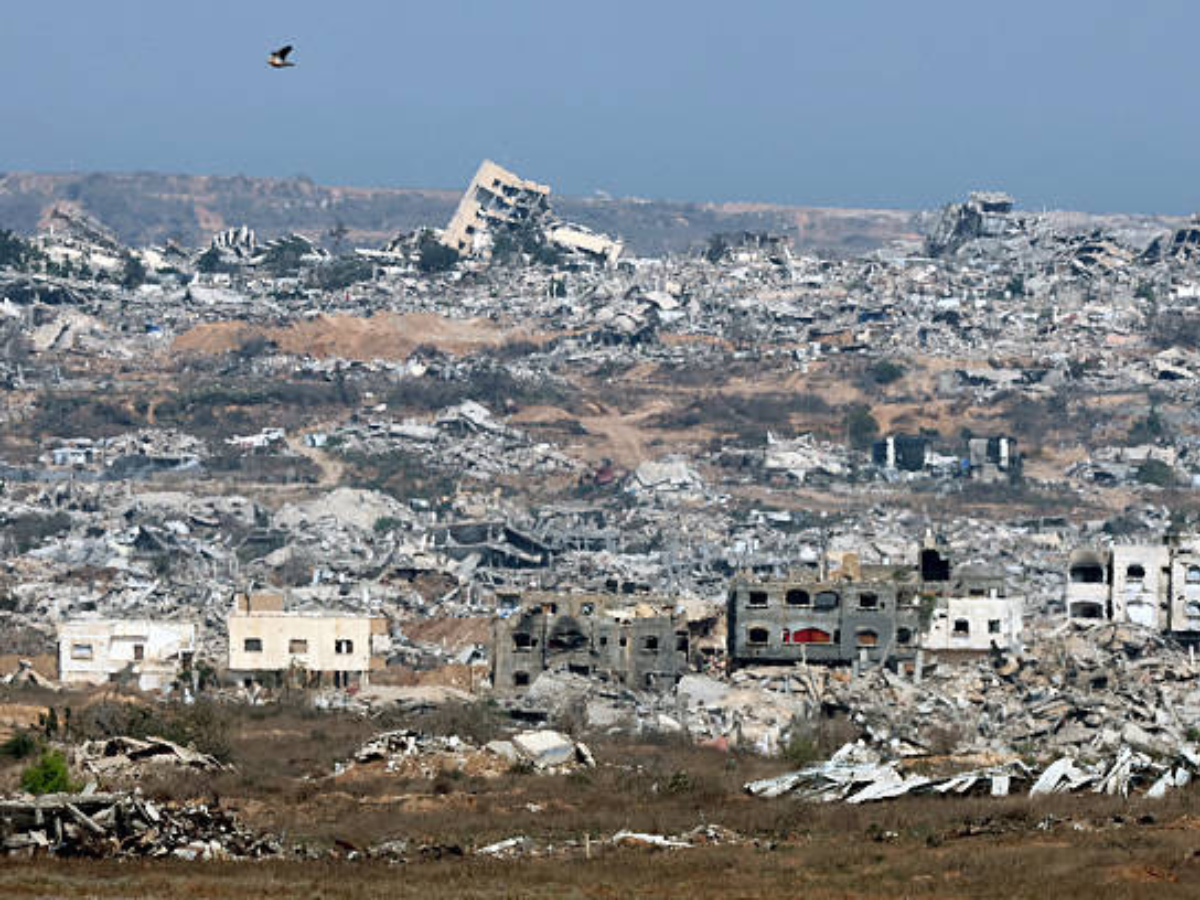
The humanitarian situation in Gaza is gradually deteriorating. More than two million desperate inhabitants are running short of food, water supplies, and necessary medical equipment. Egyptian Foreign Minister Badr Abdelatti, who visited the Rafah border crossing, termed the situation as out of imagination and stressed the urgent need for rectification. UN agencies and organizations have issued warnings that prolonged conflict may lead to famine and the collapse of essential services.
ALSO READ: Trump Administration Grows Frustrated with Netanyahu Over Syria Strikes
The war has accentuated a humanitarian catastrophe with tolls falling heavily upon civilians. Gaza’s civil defense has reported at least eleven deaths on Monday alone, six of which were caused by Israeli fire in the southern strip. Meanwhile, Amnesty International and other human rights groups have accused Israel of carrying out policies that intentionally harm civilian infrastructure and aggravate humanitarian suffering. Israel, however, has rejected such accusations, insisting its operations are directed against security goals.
What Next?
The ceasefire proposal offers a fragile opportunity for an interlude during which there may be negotiations toward a longer-term settlement. The mediators Egypt and Qatar, together with the U.S., are encouraging rapid technical discussions to synchronize the ceasefire, swap of hostages, and humanitarian access. Whether Israel accepts such a framework will determine if this opening ripens into a genuine breakthrough, or whether events on the ground will further entrench this conflict, putting the lives of innocent civilians on both sides at greater peril.
This tenuous arrangement underscores the symmetry of diplomacy, security, and humanitarian issues, thus reinforcing the notion that any viable solution must balance immediate relief efforts with a long-term political settlement.
ALSO READ: Netanyahu Criticises UK Over Palestine Recognition Plan